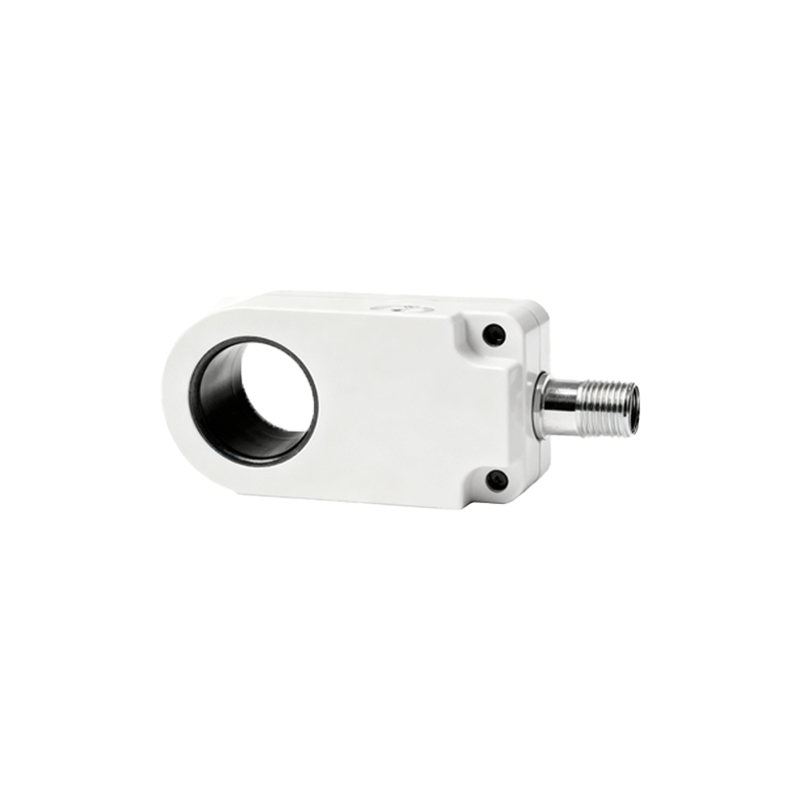
In the realm of industrial automation and control, the reliable detection of metallic objects is a fundamental requirement. Among the diverse array of sensing technologies available, inductive proximity sensors stand out for their robustness, non-contact operation, and immunity to environmental factors like dust and moisture. Within this category, the square inductive proximity sensor has carved a significant niche, offering distinct advantages in specific installation and application scenarios. This article delves into the operational principles, key features, typical applications, and critical selection criteria for these versatile devices.
At its core, a square inductive proximity sensor operates on the principle of electromagnetic induction. The sensor contains a coil wound around a ferrite core, which is energized by an oscillator circuit to generate a high-frequency electromagnetic field at its active face. When a metallic object (the target) enters this field, eddy currents are induced on the surface of the target. These eddy currents draw energy from the oscillator, resulting in a measurable change in the oscillation amplitude or frequency. This change is detected by the sensor's internal circuitry, which subsequently triggers a switching signal—typically by turning a solid-state output (PNP, NPN, or analog) on or off. The "square" designation refers to the physical housing of the sensor, which is cuboid in shape, as opposed to cylindrical or other form factors.
The square form factor is not merely an aesthetic choice; it confers several practical benefits. Firstly, the flat sensing face and straight sides allow for easier and more secure mounting, especially in tight spaces or on flat machine surfaces using standard brackets. The design often facilitates multi-directional sensing, meaning the sensor can detect targets approaching from the front or, in some models, from the side. This flexibility can simplify machine design and sensor placement. Secondly, many square inductive sensors are designed with embedded mounting capabilities, allowing them to be flush-mounted in metal without a significant reduction in their nominal sensing distance (Sn). This is a critical feature for protecting the sensor from mechanical damage in harsh industrial environments. The housing is typically constructed from materials like nickel-plated brass, stainless steel, or high-grade plastics (PBT), ensuring high resistance to impacts, coolant, oils, and washdown procedures.
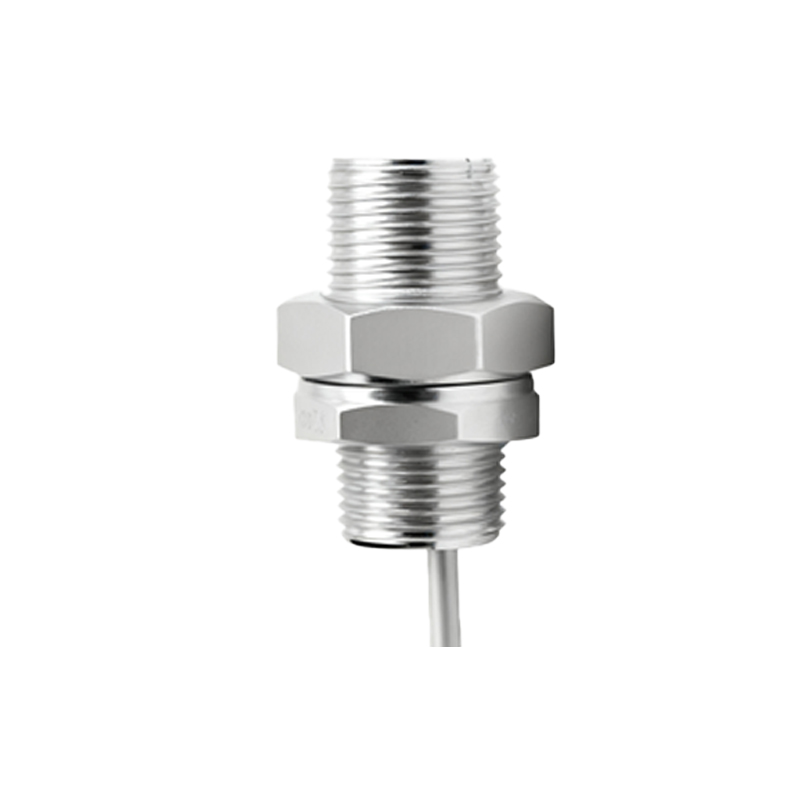
Applications for square inductive proximity sensors are vast and span across numerous industries. In material handling and packaging, they are used for precise position detection of metal parts on conveyors, pallet counting, and end-of-travel limit sensing on actuators. Within automotive manufacturing lines, these sensors reliably detect pistons, engine blocks, and other metal components during assembly and transfer processes. Machine tool builders utilize them for tool presence detection, spindle positioning, and door interlock safety systems. Their robust construction makes them ideal for heavy machinery in sectors like steel, paper, and wood processing, where they monitor the position of rollers, cams, and metal sheets. The availability of both AC and DC voltage variants, along with different output configurations (NO, NC), allows for seamless integration into virtually any control system, from simple relay logic to sophisticated PLC networks.
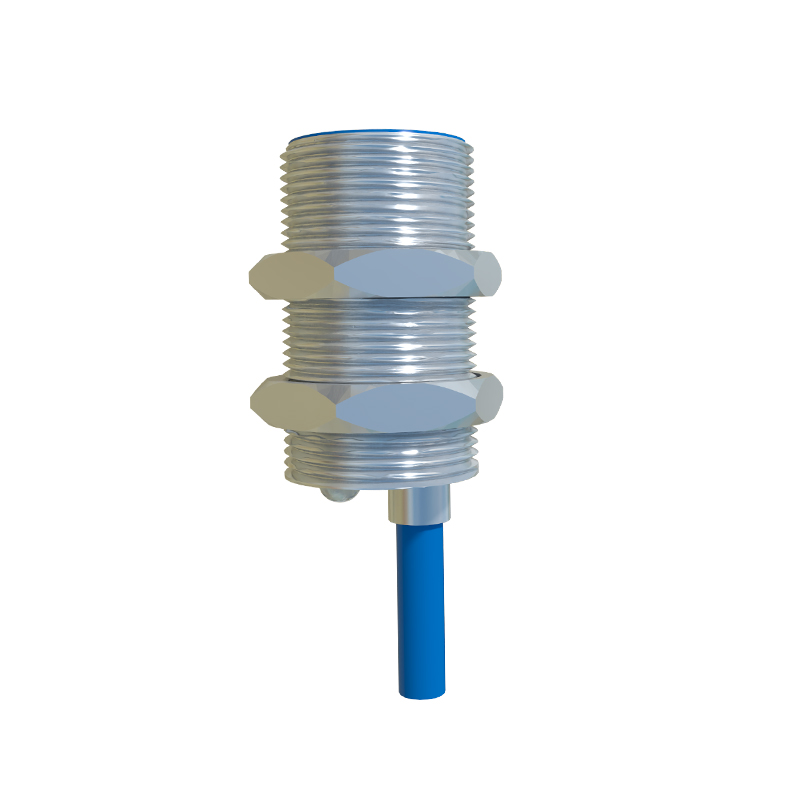
Selecting the appropriate square inductive proximity sensor requires careful consideration of several parameters. The nominal sensing distance (Sn) is the primary specification, defined for a standard target (usually mild steel). It is crucial to note that the effective sensing distance varies with different metals; for instance, it is reduced for stainless steel and aluminum. The mounting style—whether non-flush (with a larger sensing range but requiring a metal-free zone around the sensor) or flush (for embedded installation)—must match the mechanical constraints of the application. Electrical characteristics such as operating voltage (e.g., 10-30V DC, 20-250V AC), output type (e.g., PNP normally open), and current rating must be compatible with the power supply and load (e.g., a PLC input module). Environmental ratings are paramount; the Ingress Protection (IP) rating (e.g., IP67, IP69K) indicates the level of protection against dust and liquids, which is essential for washdown areas or outdoor use. Additional features like short-circuit protection, reverse polarity protection, and LED status indicators enhance reliability and ease of maintenance.
In conclusion, the square inductive proximity sensor is a workhorse of modern industrial sensing. Its combination of a practical form factor, robust construction, and reliable non-contact detection of metals makes it an indispensable component in automated systems. By understanding its operating principle and meticulously matching its specifications—sensing distance, mounting, electrical requirements, and environmental ratings—to the application's demands, engineers and technicians can ensure optimal performance, longevity, and safety in their automation projects. As industries continue to evolve towards greater efficiency and connectivity, these sensors will remain a foundational element in the architecture of smart factories and intelligent machinery.