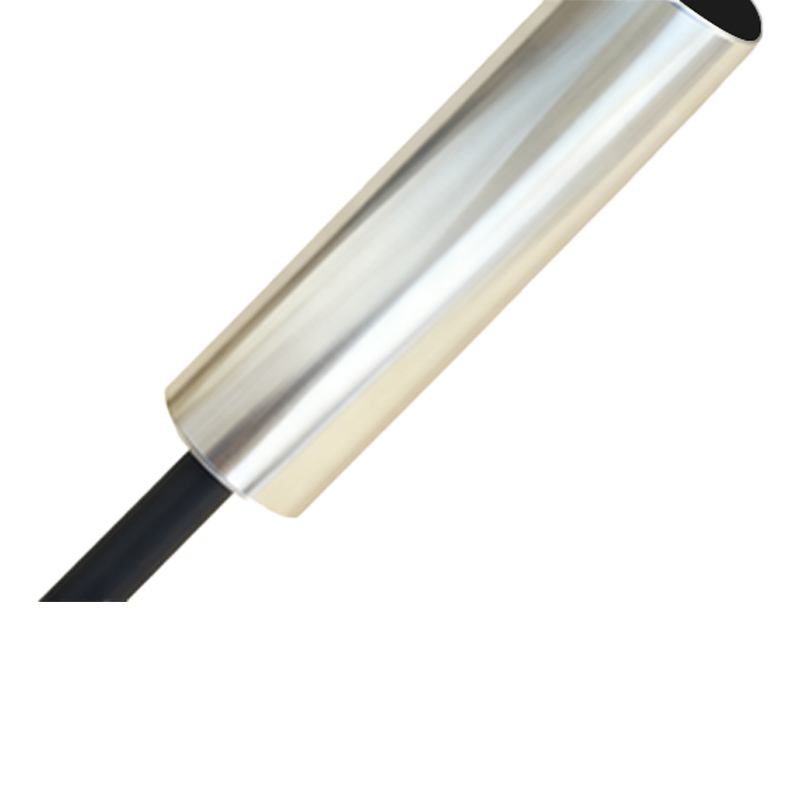
Proximity sensors are indispensable components in modern industrial automation, enabling non-contact detection of objects within a defined range without physical interaction. These sensors enhance efficiency, reliability, and safety in various applications, from manufacturing lines to robotics. Based on their operating principles, proximity sensors are primarily classified into several distinct types, each suited for specific environments and materials.
Inductive proximity sensors are widely used for detecting metallic objects. They operate by generating an electromagnetic field from a coil and oscillator. When a metal target enters this field, it induces eddy currents, causing a change in oscillation amplitude. This change is detected by the sensor's circuit, triggering an output signal. Inductive sensors excel in harsh industrial conditions, such as those with dust, oil, or moisture, and are ideal for applications like metal part counting, position sensing, and machine safety. Common sensing ranges vary from a few millimeters to about 60 millimeters, with factors like target material and size influencing performance.
Capacitive proximity sensors can detect both metallic and non-metallic materials, including liquids, plastics, and wood. They function by measuring changes in capacitance between the sensor and the target. The sensor generates an electrostatic field, and when an object enters this field, it alters the capacitance, prompting the sensor to switch its output. These sensors are versatile, often employed in level detection for tanks, material handling, and packaging industries. However, they may be sensitive to environmental factors like humidity or temperature variations, requiring careful calibration.
Magnetic proximity sensors utilize a reed switch or Hall effect to detect magnetic fields, typically from permanent magnets. They are robust, with no moving parts in some designs, making them suitable for high-speed or high-vibration environments. Applications include door position sensing in automotive systems, cylinder position feedback in pneumatic systems, and safety interlocks. Magnetic sensors offer long operational life and resistance to contaminants but are limited to detecting magnetic sources only.
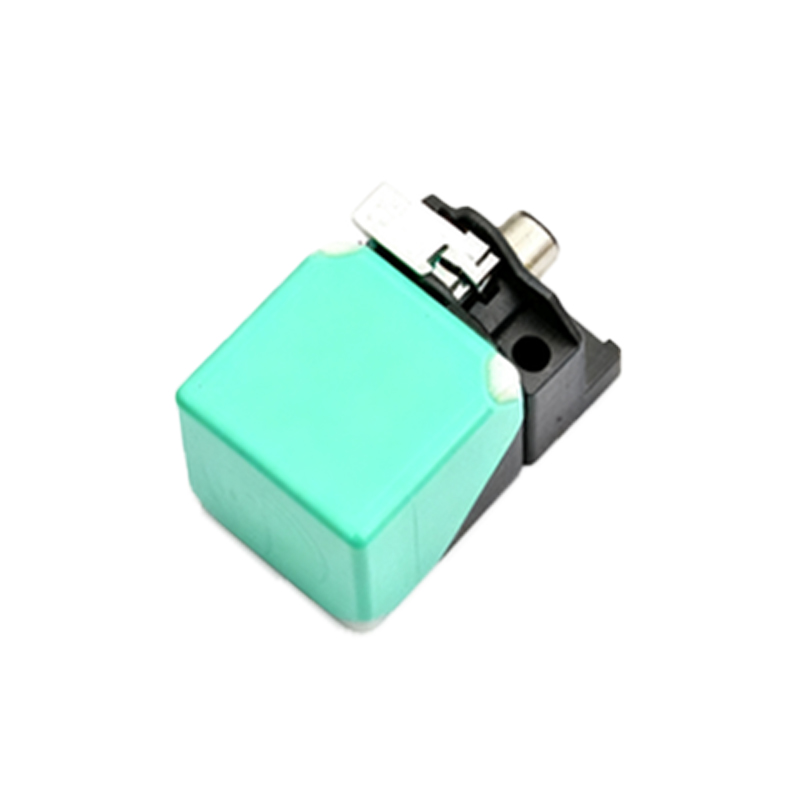
Ultrasonic proximity sensors employ sound waves beyond human hearing to detect objects. They emit ultrasonic pulses and measure the time taken for echoes to return after hitting a target. This time-of-flight principle allows for precise distance measurement, making these sensors effective for level control, object detection in transparent or irregular surfaces, and collision avoidance in automated guided vehicles (AGVs). They perform well in challenging conditions like fog or dust but can be affected by temperature and air turbulence.
Photoelectric proximity sensors use light beams, typically infrared or laser, to detect objects. They consist of an emitter and a receiver. When an object interrupts or reflects the light beam, the sensor responds accordingly. These sensors are categorized into through-beam, retro-reflective, and diffuse-reflective types, each with unique advantages. For instance, through-beam sensors offer long ranges and high accuracy, while diffuse sensors are simpler to install. Photoelectric sensors are common in packaging, material sorting, and conveyor systems, though they may be hindered by environmental factors like ambient light or dirty lenses.
Each type of proximity sensor has distinct characteristics regarding sensing range, response time, environmental tolerance, and cost. Selecting the appropriate sensor depends on factors such as target material, application requirements, and operating conditions. Innovations in sensor technology continue to expand their capabilities, integrating smart features like IO-Link communication for enhanced diagnostics and adaptability in Industry 4.0 setups. By understanding these classifications, engineers can optimize automation systems for improved productivity and safety.