In the intricate world of industrial automation, the reliability of a system is only as strong as its most fundamental components. Among these, proximity sensors stand as silent sentinels, detecting the presence or absence of objects without physical contact. Their applications are vast and critical, from ensuring robotic arms operate within safe parameters to counting products on high-speed assembly lines and safeguarding personnel in hazardous zones. However, the precision of these non-contact detection devices is not perpetual. Over time, factors like environmental stress, mechanical vibration, temperature fluctuations, and simple wear can cause their performance to drift from factory specifications. This is where the specialized expertise of proximity sensor calibration companies becomes indispensable. These firms are the guardians of measurement integrity, ensuring that the subtle signals from inductive, capacitive, ultrasonic, and photoelectric sensors remain accurate and trustworthy.
The core service offered by these specialized companies is the meticulous process of calibration. Calibration is not merely a quick check; it is a systematic, traceable procedure that compares a sensor's output against a known standard under controlled conditions. For a capacitive sensor detecting liquid levels, this might involve precise distance measurements in a lab setting. For an inductive sensor tasked with identifying metal parts, calibration would involve testing its switching point against certified reference targets. The process typically involves adjusting the sensor's internal parameters—such as sensitivity, hysteresis, and response time—to align perfectly with its original performance data sheet. The outcome is a documented report, often traceable to national or international standards like ISO/IEC 17025, providing a certificate of accuracy that is crucial for quality assurance, regulatory compliance, and audit trails in industries such as automotive, aerospace, pharmaceuticals, and food & beverage.
Choosing the right calibration partner is a strategic decision. Leading proximity sensor calibration companies distinguish themselves through several key attributes. First is technical competency and accreditation. A reputable provider will operate laboratories accredited to stringent standards, ensuring their methods and equipment are validated. Their technicians are not just operators but skilled engineers with deep knowledge of sensor technologies from major manufacturers like Sick, Pepperl+Fuchs, Omron, and Balluff. Second is service scope and capability. The best firms offer comprehensive services, including on-site calibration to minimize equipment downtime, emergency support, preventive maintenance advice, and repair services. They possess the necessary fixtures and simulators to handle a wide array of sensor types and form factors. Third is technological adaptation. As Industry 4.0 advances, forward-thinking calibration companies integrate their services with digital platforms, offering calibration data management software that allows clients to track sensor performance history, schedule future calibrations, and generate compliance reports automatically.
The return on investment from regular, professional calibration is substantial and multifaceted. Primarily, it directly enhances operational safety and product quality. A miscalibrated sensor can lead to catastrophic machine collisions, defective products, or even safety incidents. Consistent calibration prevents these costly failures. Furthermore, it optimizes production efficiency. Accurate sensors reduce false triggers and missed detections, minimizing line stoppages and maximizing throughput. From a financial and compliance perspective, it extends the usable life of capital equipment, reduces unplanned downtime, and provides the necessary documentation for industry certifications (e.g., ISO 9001, FDA regulations). In essence, partnering with a proficient calibration company transforms sensor maintenance from a reactive cost center into a proactive strategy for reliability and excellence.
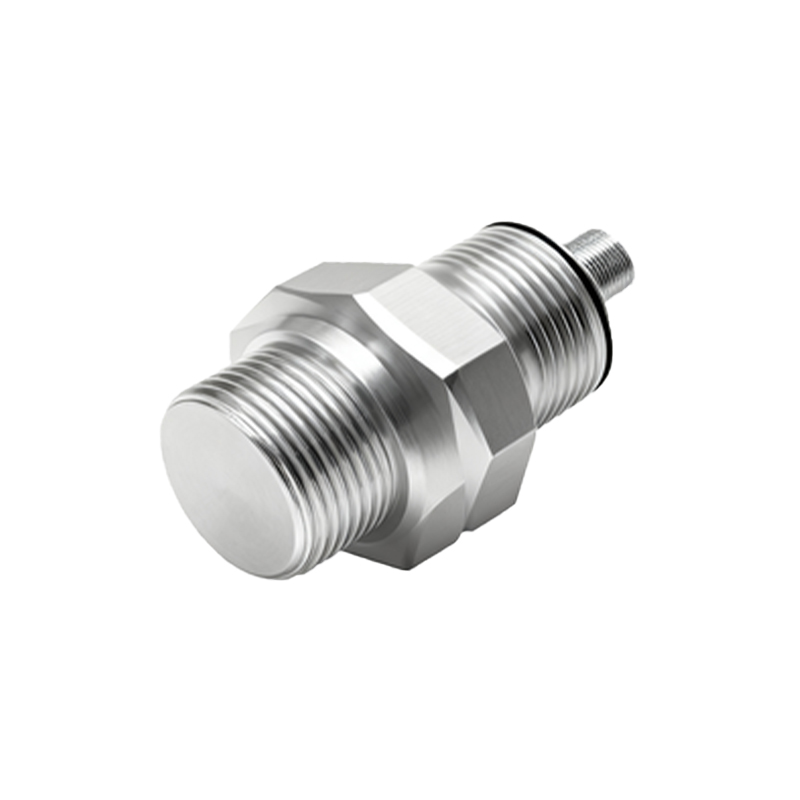
In conclusion, proximity sensors are the unsung heroes of modern automation, and their consistent accuracy is non-negotiable. Professional proximity sensor calibration companies provide the essential technical rigor to maintain this accuracy. They deliver more than just a service; they deliver confidence—confidence in the safety of operations, the quality of output, and the efficiency of the entire production ecosystem. For any organization reliant on automated processes, establishing a partnership with a certified, experienced calibration specialist is not an optional expense but a fundamental pillar of sustainable and competitive industrial practice.