In the rapidly evolving landscape of industrial automation and precision measurement, the role of laser sensor enclosures has become paramount. These sophisticated housings are far more than mere protective shells; they are critical components engineered to ensure the optimal performance, longevity, and reliability of the sensitive laser sensing systems within. A high-quality laser sensor enclosure is meticulously designed to address a multitude of environmental and operational challenges inherent in demanding industrial settings.
The primary function of an enclosure is to provide robust physical protection. Industrial environments are rife with potential hazards such as dust, moisture, oil, and chemical splashes. An ingress protection (IP) rating, such as IP67 or IP69K, is a standard benchmark, signifying complete protection against dust ingress and the ability to withstand powerful water jets or temporary immersion. This shielding is crucial for maintaining the cleanliness of optical lenses and internal electronics, preventing particulate contamination that could scatter or absorb the laser beam, leading to measurement inaccuracies or complete sensor failure.
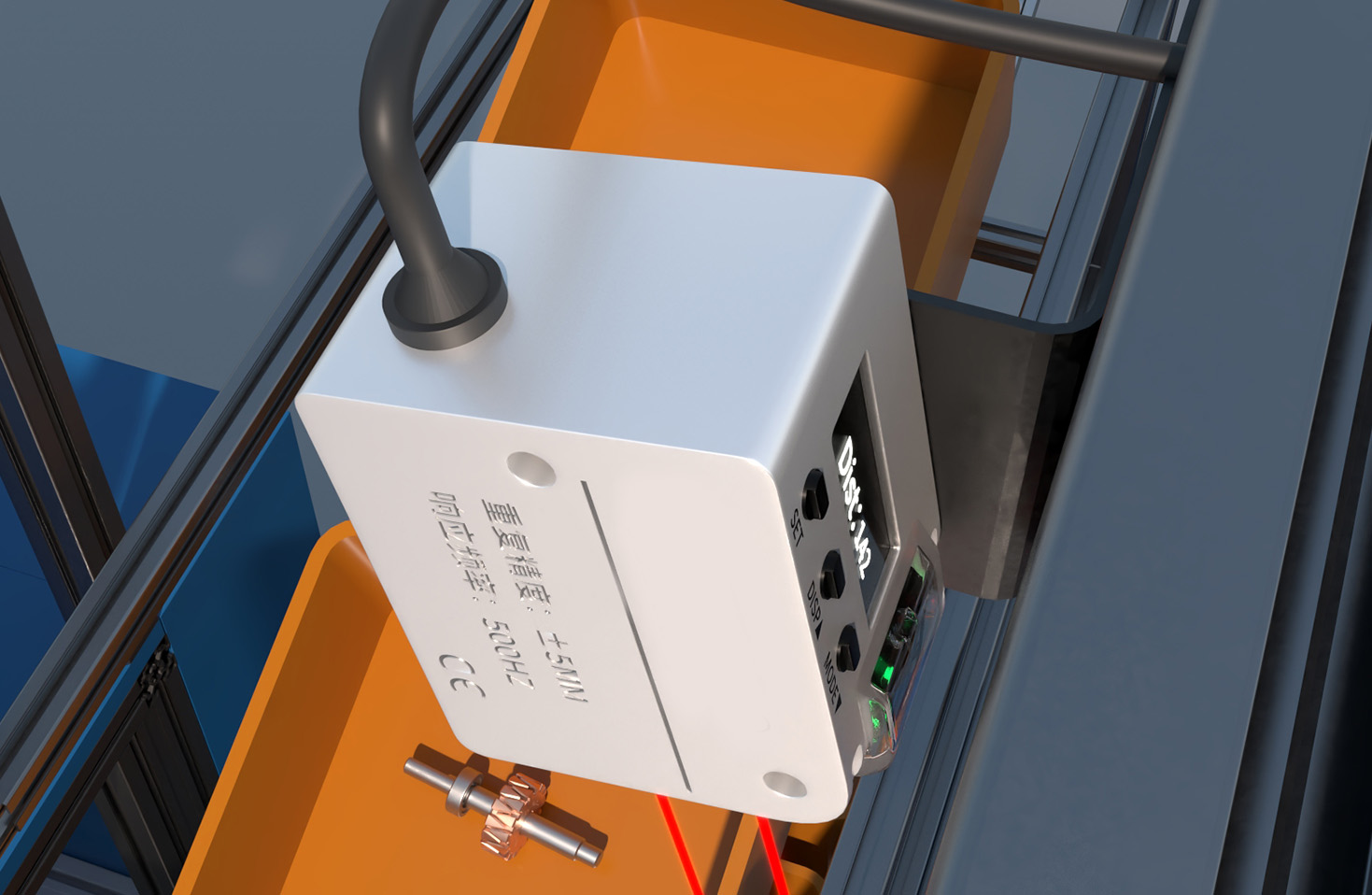
Beyond basic sealing, thermal management is a cornerstone of enclosure design. Laser diodes and associated circuitry generate heat during operation. Excessive heat can cause wavelength drift, reduce output power, and significantly shorten the component's lifespan. Advanced enclosures incorporate thermal engineering solutions such as integrated heat sinks, thermally conductive materials (e.g., aluminum alloys), and strategically placed ventilation ports (often filtered) to facilitate passive or active cooling. This ensures the internal temperature remains within the sensor's specified operating range, guaranteeing consistent and accurate performance even during continuous duty cycles.
Electromagnetic compatibility (EMC) is another critical consideration. Industrial floors are electrically noisy environments filled with variable frequency drives, welding equipment, and large motors that generate electromagnetic interference (EMI). A poorly shielded sensor can suffer from signal corruption or erratic behavior. Premium laser sensor enclosures act as Faraday cages, constructed from materials like die-cast aluminum or steel with conductive gaskets at all seams. This shielding effectively contains the sensor's own emissions and protects it from external EMI, ensuring signal integrity and reliable communication with programmable logic controllers (PLCs) and other control systems.

The design also heavily influences installation flexibility and maintenance. Enclosures feature standardized mounting interfaces (e.g., M8 or M12 threaded holes, DIN rail mounts) for easy integration into machinery. Transparent windows made from materials like coated glass or polycarbonate with specific spectral properties allow the laser beam to pass through with minimal attenuation or distortion. These windows are often treated with anti-reflective coatings and hydrophobic layers to repel water and oils. Furthermore, designs that allow for tool-less access to calibration ports or status LEDs simplify routine checks and reduce downtime during maintenance procedures.
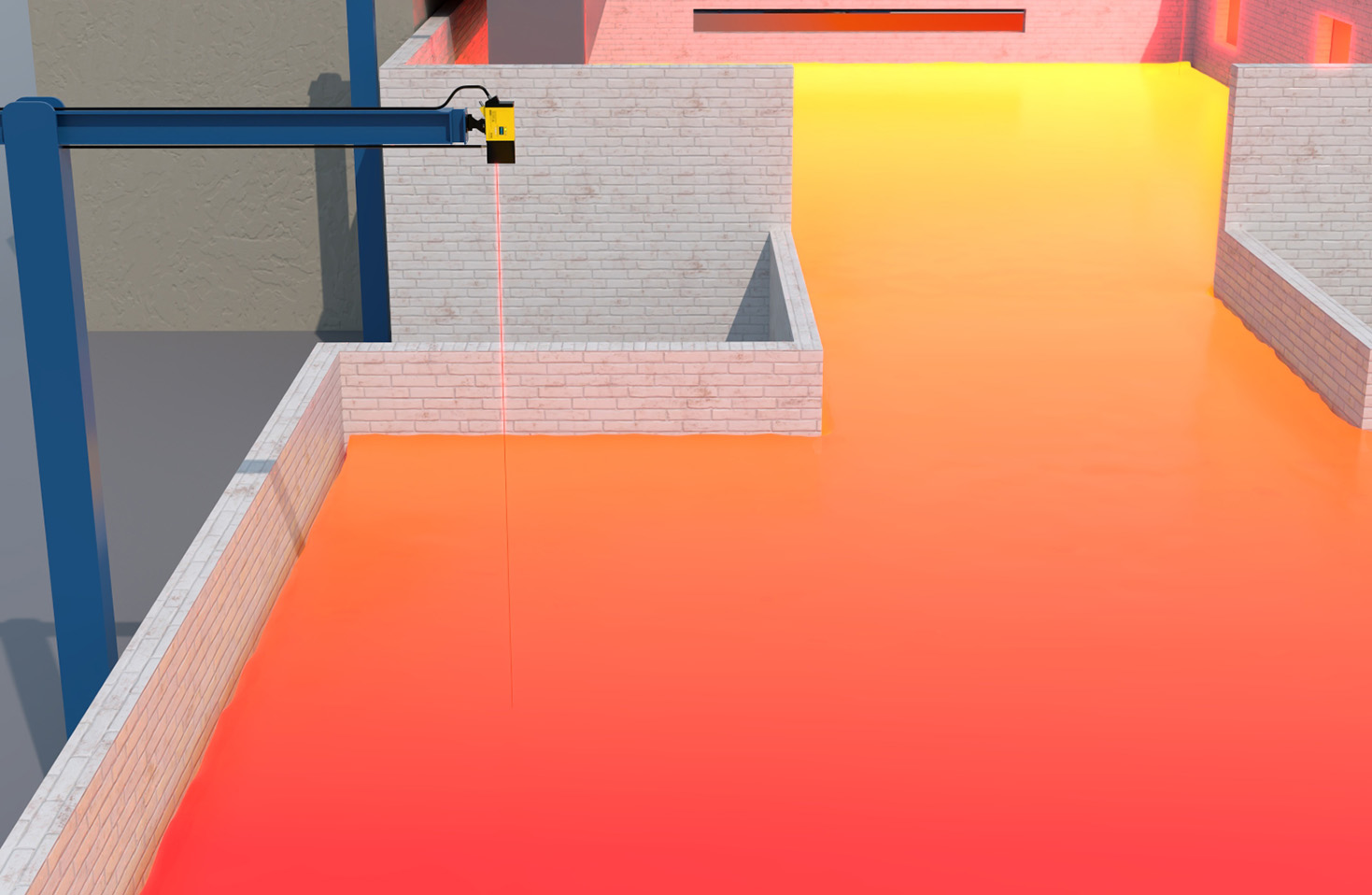
Material selection is driven by application-specific needs. For corrosive environments in chemical processing or food and beverage industries, enclosures made from stainless steel (e.g., 316L) or specialized plastics like PVDF offer superior resistance. In applications requiring lightweight or non-magnetic properties, engineered polymers and composites are employed. The internal layout is carefully planned to provide secure, vibration-resistant mounting for the laser module, power supply, and signal conditioning boards, preventing misalignment from mechanical shocks or vibrations common in manufacturing and robotics.
Looking forward, the integration of smart features into enclosures is an emerging trend. Some advanced housings now include embedded environmental sensors to monitor internal temperature, humidity, or condensation, providing predictive maintenance data. Connectivity options for Industrial Internet of Things (IIoT) networks are also being considered, allowing the enclosure system to report its health status proactively.
In conclusion, the laser sensor enclosure is a vital, systems-level component that directly impacts the efficacy of the entire sensing solution. Its design encompasses a holistic approach to protection, thermal regulation, electromagnetic shielding, and usability. Selecting the appropriate enclosure is not an afterthought but a fundamental step in deploying a reliable, high-precision laser measurement or detection system in any modern industrial automation, robotics, or quality control application. Investing in a well-engineered enclosure safeguards the capital investment in the laser sensor itself and ensures uninterrupted, accurate operation, which is essential for productivity, quality assurance, and overall operational excellence.