In the realm of industrial automation and precision motion control, rotary optical encoders and proximity sensors play pivotal roles in ensuring accuracy, reliability, and efficiency. These devices are integral to a wide array of applications, from CNC machinery and robotics to automotive systems and medical equipment. This article delves into the principles, types, and applications of rotary optical encoders, often referred to as circular or ring encoders, and explores their synergy with proximity sensors in advanced engineering contexts.
Rotary optical encoders are electromechanical devices that convert the angular position or motion of a shaft into an analog or digital signal. They operate on the principle of light modulation, typically using an LED light source, a rotating disc with patterned slots (known as a code disc), and a photodetector array. As the disc rotates, light passes through the slots, creating a series of pulses that are interpreted to determine position, speed, and direction. There are two primary types: incremental encoders, which provide relative position data by counting pulses from a reference point, and absolute encoders, which offer unique position values for each shaft angle, even after power loss. The resolution of these encoders, measured in pulses per revolution (PPR) or bits, directly impacts precision, with high-end models achieving resolutions exceeding 10,000 PPR for ultra-fine control.
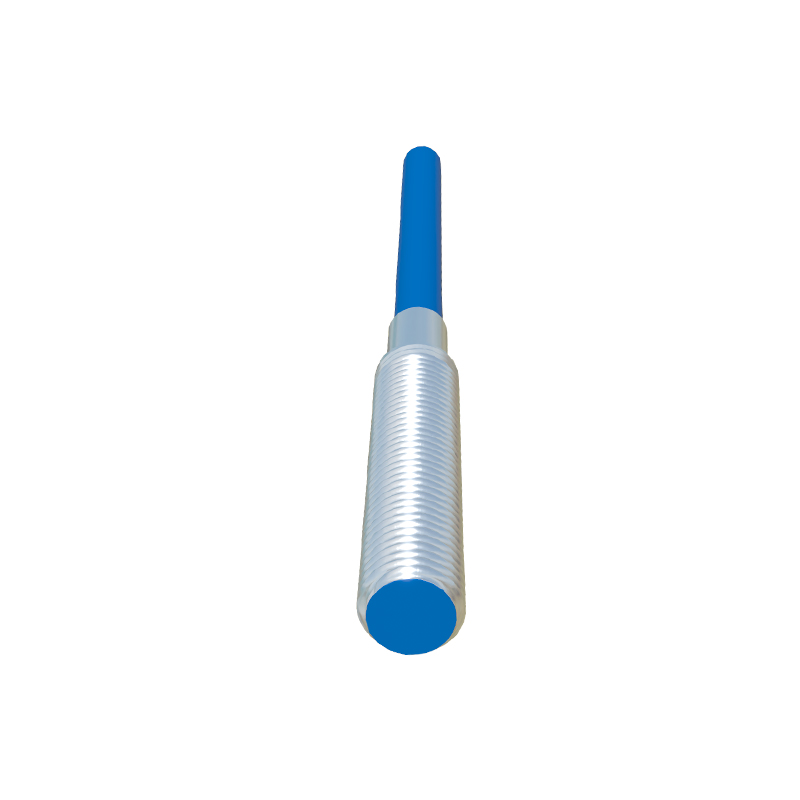
Proximity sensors, on the other hand, are non-contact devices that detect the presence or absence of objects within a specific range. Common types include inductive, capacitive, and magnetic sensors, each suited to different materials and environments. In automation systems, proximity sensors often complement rotary encoders by providing auxiliary feedback. For instance, a proximity sensor might be used to detect the home position of a rotating mechanism, triggering the encoder to reset or calibrate. This combination enhances system robustness, reducing errors due to mechanical wear or environmental factors.
The integration of rotary optical encoders with proximity sensors is particularly valuable in harsh industrial settings. Encoders can be susceptible to contamination from dust, oil, or vibration, which may degrade optical performance. Proximity sensors, especially ruggedized versions, can serve as fail-safes or backup systems, ensuring continuous operation. In applications like conveyor belt tracking, encoders monitor rotational speed, while proximity sensors detect object alignment, enabling real-time adjustments for synchronized movement. Similarly, in robotic arms, encoders control joint angles with high precision, and proximity sensors provide collision avoidance by sensing nearby obstacles.
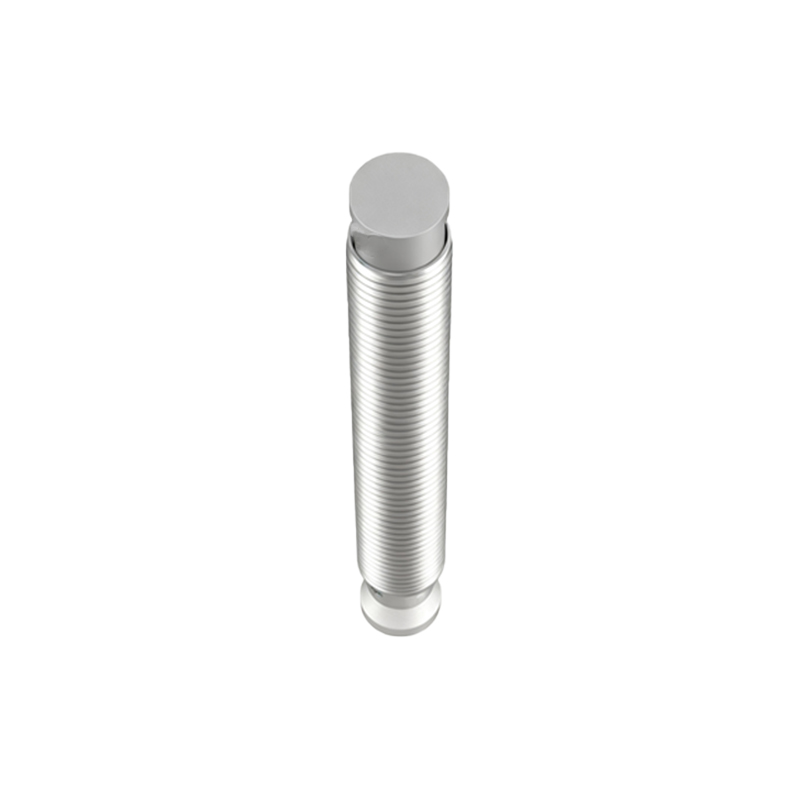
Advancements in technology have led to the development of hybrid systems that embed proximity sensing capabilities within encoder designs. These integrated solutions reduce footprint and wiring complexity, offering a compact alternative for space-constrained installations. For example, some modern rotary encoders incorporate magnetic or capacitive elements to detect shaft proximity without additional hardware, streamlining maintenance and improving reliability.
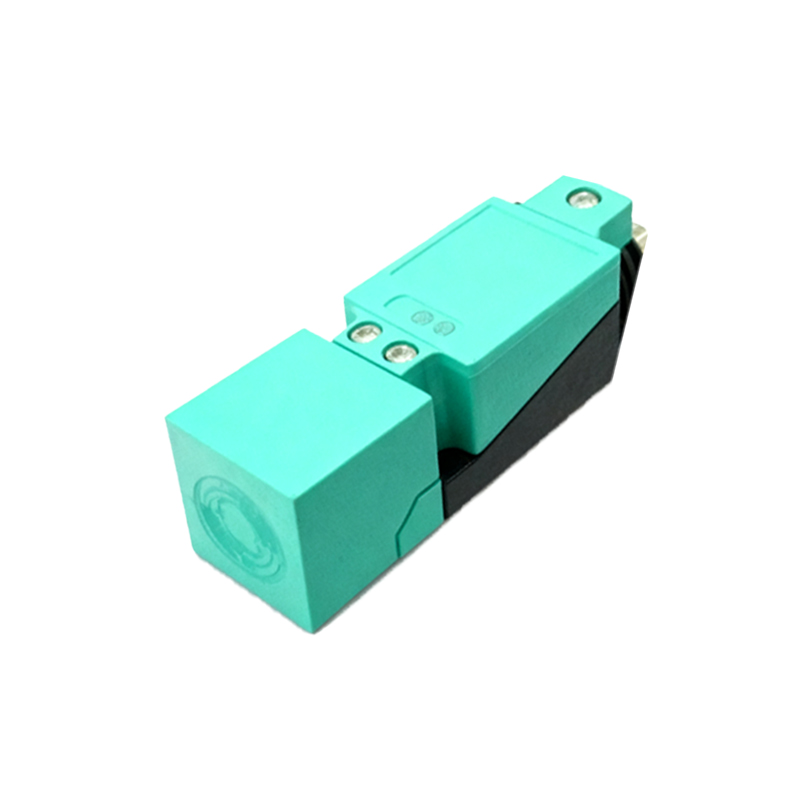
When selecting rotary optical encoders and proximity sensors, engineers must consider factors such as environmental conditions, required accuracy, response time, and compatibility with control systems. Industrial standards like IP ratings for ingress protection and temperature tolerances are crucial for longevity. Additionally, digital interfaces such as Ethernet/IP, PROFINET, or CANopen facilitate seamless communication in networked automation environments.
In conclusion, rotary optical encoders and proximity sensors are indispensable components in today's automated world. Their collaborative use drives innovation across industries, from manufacturing and logistics to aerospace and healthcare. As automation evolves toward smarter, more interconnected systems, these devices will continue to advance, offering higher precision, durability, and integration capabilities. Understanding their operation and application is key to optimizing performance and achieving operational excellence in engineering projects.