Special type proximity sensors represent a critical advancement in industrial automation, offering unique capabilities beyond standard inductive, capacitive, or photoelectric sensors. These specialized devices are engineered to address challenging detection scenarios where conventional sensors fall short. Unlike standard proximity sensors that primarily detect metallic objects or general presence, special type variants are designed with enhanced features such as extreme temperature tolerance, high-pressure resistance, corrosion immunity, or the ability to detect specific materials like transparent films, liquid levels, or miniature components.
One prominent category is high-temperature proximity sensors, which can operate reliably in environments exceeding 150°C, often found in foundries, welding operations, or engine compartments. These sensors incorporate heat-resistant materials, specialized housing, and thermal management systems to maintain accuracy without degradation. Another key type is chemical-resistant proximity sensors, built with housings made from materials like PTFE or PVDF to withstand exposure to aggressive solvents, acids, or alkalis in pharmaceutical or chemical processing plants.
Miniaturized proximity sensors form another essential group, enabling detection in tightly spaced electronic assemblies or precision machinery. With diameters as small as 3mm, these sensors provide reliable operation while fitting into compact designs. Additionally, analog-output proximity sensors offer continuous distance measurement rather than simple on/off switching, allowing for precise positioning control in robotics or conveyor systems.
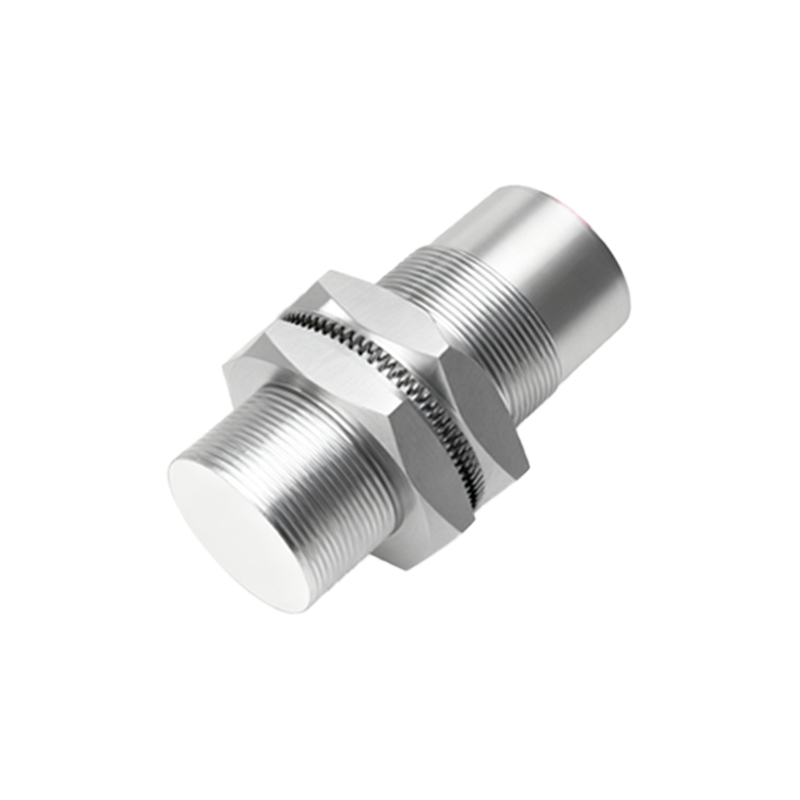
Special type proximity sensors also include models with extended sensing ranges, capable of detecting objects up to several meters away, useful in large-scale material handling. Furthermore, some variants are designed for submersible applications, featuring waterproof ratings up to IP69K for use in food processing, marine environments, or washdown areas.
The selection of a special type proximity sensor depends on specific application demands. Factors such as target material, environmental conditions, required sensing distance, and output type must be carefully evaluated. For instance, in automotive manufacturing, sensors resistant to oil and coolant splashes are preferred, while in cleanrooms, sensors with low particle emission are critical.
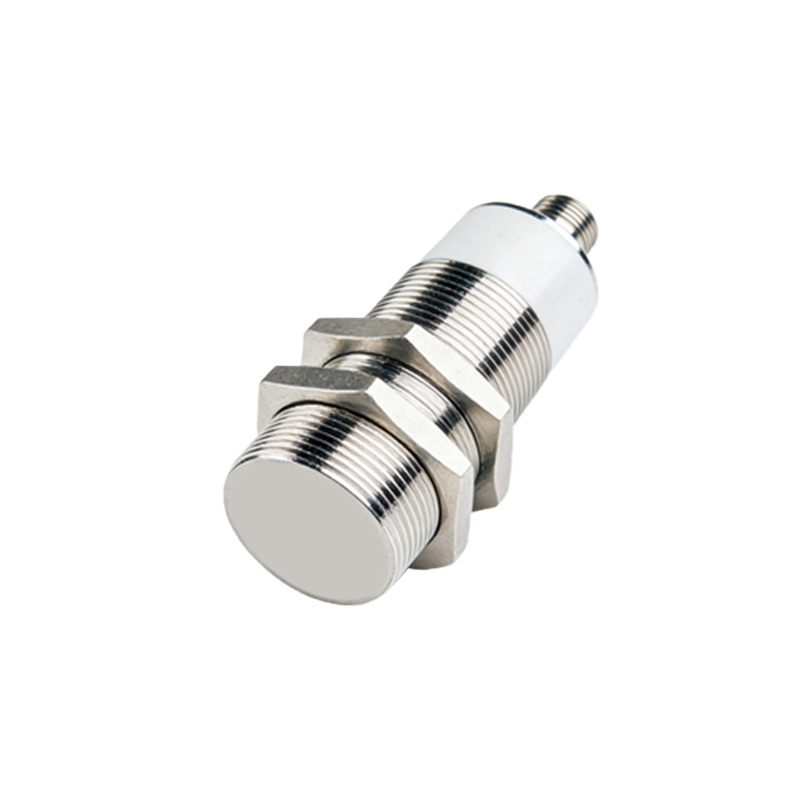
Installation and maintenance of these sensors require attention to detail. Proper mounting, alignment, and environmental protection ensure longevity and consistent performance. Regular calibration may be necessary for analog or high-precision sensors to maintain accuracy over time.
In summary, special type proximity sensors provide tailored solutions for demanding industrial environments, enhancing automation reliability and efficiency. Their continued evolution supports increasingly complex applications, from aerospace to biotechnology, driving innovation in sensor technology.