In the realm of industrial automation and machine design, proximity sensors are indispensable components, providing non-contact detection of objects. While technical datasheets detail specifications, high-resolution images offer an unparalleled visual understanding of their construction, installation, and application context. This guide delves into the significance of high-definition imagery for various proximity sensor types, aiding engineers and technicians in selection, integration, and troubleshooting.
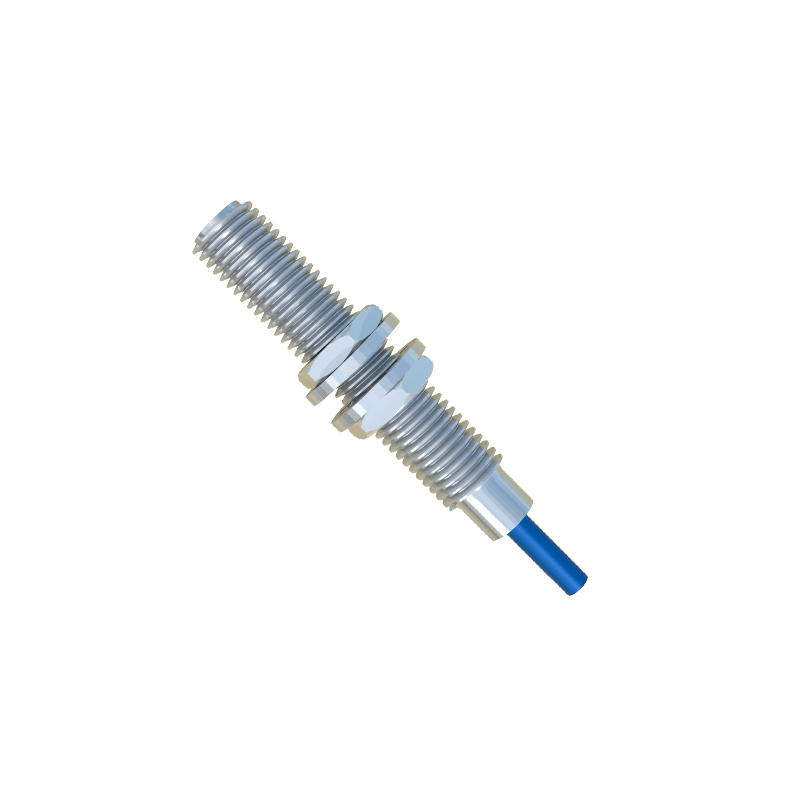
High-resolution photographs reveal critical physical attributes often glossed over in schematic diagrams. For instance, a detailed top-down view of a cylindrical inductive proximity sensor clearly shows the sensing face's material—typically nickel-plated brass or stainless steel—and the precise molding of the housing, indicating its IP (Ingress Protection) rating for dust and water resistance. Side-profile images can highlight the threaded barrel design, crucial for proper mounting in machined holes, and the positioning of the LED status indicator. For capacitive sensors, macro photography can illustrate the unique electrode plate configuration behind the sensing surface, which is fundamental to understanding its ability to detect non-metallic materials like liquids, plastics, or wood.
The internal architecture, often concealed, is another area where cutaway or exploded-view high-resolution images prove invaluable. A cross-sectional image of an ultrasonic proximity sensor can visually explain the arrangement of the piezoelectric transducer and the acoustic damping material within the housing. Similarly, a high-quality image of a photoelectric sensor's interior can distinguish between the through-beam, retro-reflective, and diffuse reflective models by showing the precise alignment of the emitter and receiver lenses. These visuals demystify the operating principle, moving beyond abstract block diagrams to tangible component interaction.
Application-specific imagery is perhaps the most practical. A high-definition photograph from an automotive assembly line might show a array of inductive sensors monitoring robotic weld gun positions, with cables neatly routed in conduits. Another image from a packaging facility could depict a contrasting background suppression photoelectric sensor accurately detecting transparent bottles on a high-speed conveyor, with lighting conditions and sensor mounting angles clearly visible. These contextual shots provide real-world insights into sensor placement, environmental challenges (like heat, vibration, or washdown conditions), and integration with control cabinets and Programmable Logic Controllers (PLCs).
For magnetic proximity sensors (reed switches or Hall-effect sensors), high-res images of the corresponding actuator magnets—their shape, polarity marking, and required gap—are essential. A clear visual comparison between different form factors, such as rectangular, ring-shaped, or slot-style sensors, aids in mechanical design. Furthermore, detailed shots of connection types, whether quick-disconnect M8/M12 connectors, terminal blocks, or pre-wired cables with specified lengths and shielding, prevent procurement and installation errors.
When evaluating sensor performance, images of oscilloscope traces or timing diagrams, captured in high resolution, can illustrate response times, switching hysteresis, and output signal behavior under different target conditions. A visual comparison of the sensing range for a standard versus a factor-1 cylindrical sensor on the same metal target can be more intuitive than a table of numbers.
In summary, leveraging high-resolution images of proximity sensors transcends basic identification. It facilitates a deeper technical comprehension, supports accurate system design, enables efficient maintenance, and serves as a powerful training tool. Engineers are encouraged to consult manufacturers' technical galleries, request application photos, and even build their own visual libraries tailored to their industry's specific needs, ensuring optimal sensor implementation for enhanced machine reliability and productivity.