Proximity sensors designed for ferrous metal detection, commonly referred to as inductive proximity sensors or "probe for iron," are fundamental components in modern industrial automation. These non-contact devices operate on the principle of electromagnetic induction to detect the presence of ferromagnetic materials like iron and steel without physical contact. Their reliability, durability, and precision make them indispensable in a wide array of applications, from manufacturing assembly lines and robotic systems to automotive production and material handling.
The core technology behind these sensors involves an oscillator circuit that generates a high-frequency electromagnetic field at the active sensing face. When a ferrous metal object enters this field, eddy currents are induced on the object's surface. This causes a measurable change in the oscillation amplitude or frequency within the sensor's circuit. An integrated evaluation circuit, often containing a Schmitt trigger, detects this change and switches the sensor's output state accordingly—typically from "off" to "on." This output signal is then used to control machinery, trigger alarms, count parts, or determine object positioning.
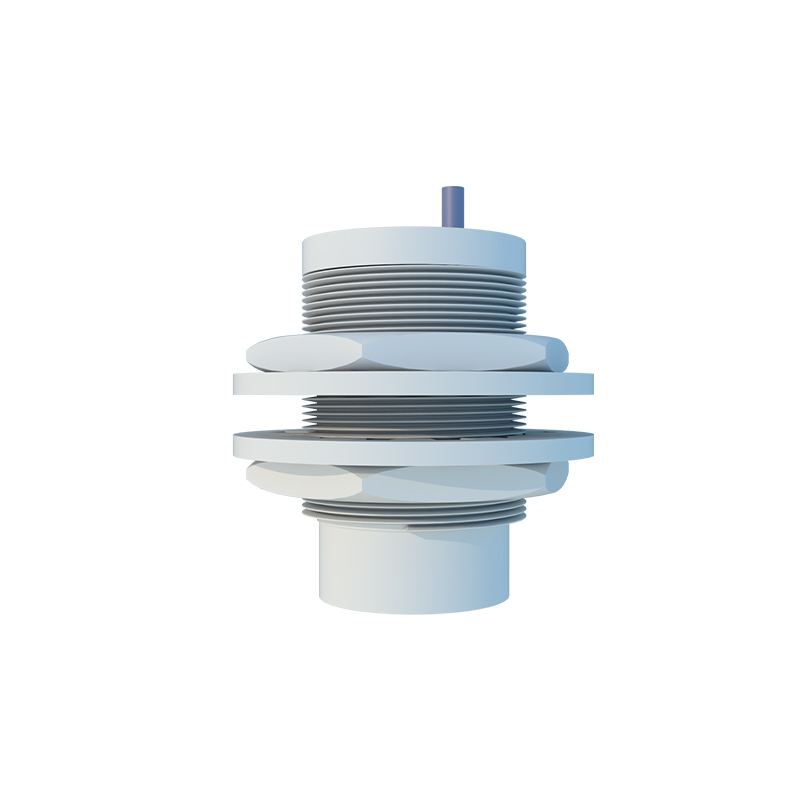
Key performance specifications for selecting an inductive proximity sensor include sensing distance, repeat accuracy, switching frequency, and housing material. The nominal sensing distance, often standardized (e.g., 2mm, 5mm, 10mm), is specified for a standard target of mild steel. It's crucial to note that the effective sensing range can vary with different metals; for instance, the range for stainless steel is often reduced compared to mild steel. Factors like temperature fluctuations, external electromagnetic interference, and the presence of other metals can influence performance, necessitating careful installation and environmental consideration.
Modern inductive sensors offer various output configurations, including DC versions with NPN or PNP transistor outputs and AC versions. They come in diverse housing shapes—cylindrical, rectangular, or ring-shaped—to suit different mounting requirements. Advanced features now incorporate immunity to mutual interference (allowing side-by-side mounting), embedded IO-Link communication for digital parameterization and diagnostics, and enhanced protection ratings (like IP67 or IP69K) for operation in harsh, wash-down environments.
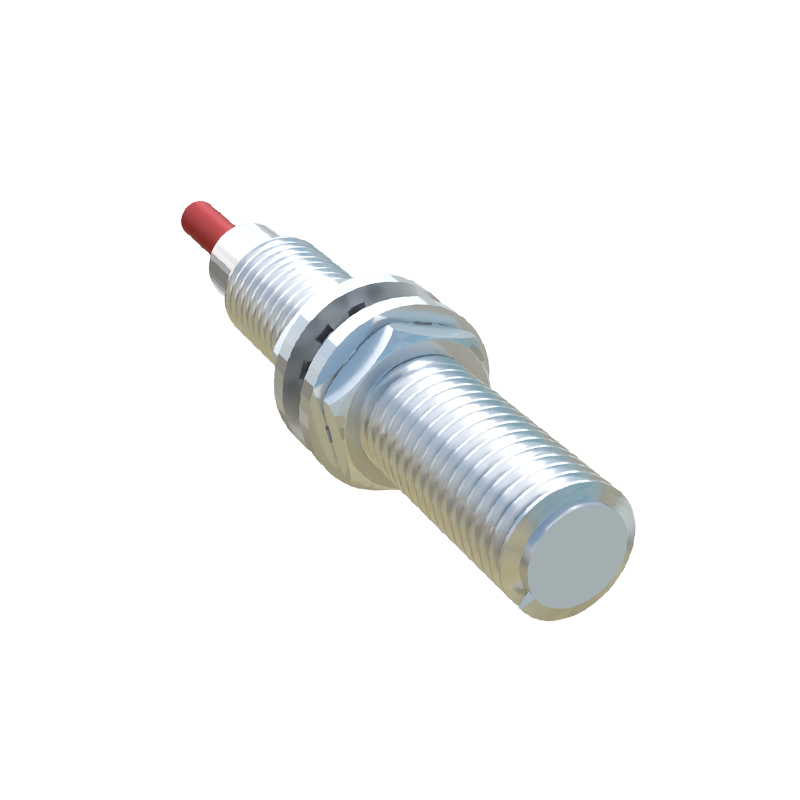
When integrating these sensors, engineers must consider the target object's properties (size, material, and approach direction), the required installation geometry, and the electrical load. Proper alignment and maintaining a clean sensing face free of metallic debris are critical for consistent operation. Regular maintenance involves checking for physical damage, verifying electrical connections, and ensuring the operating environment remains within specified limits for temperature, humidity, and vibration.
In summary, inductive proximity sensors for ferrous metals are robust, versatile workhorses of industrial sensing. Their ability to provide fast, wear-free detection in challenging conditions underpins efficiency, safety, and quality control in automated processes. A thorough understanding of their operating principles, specifications, and application nuances is essential for optimal system design and long-term reliability.