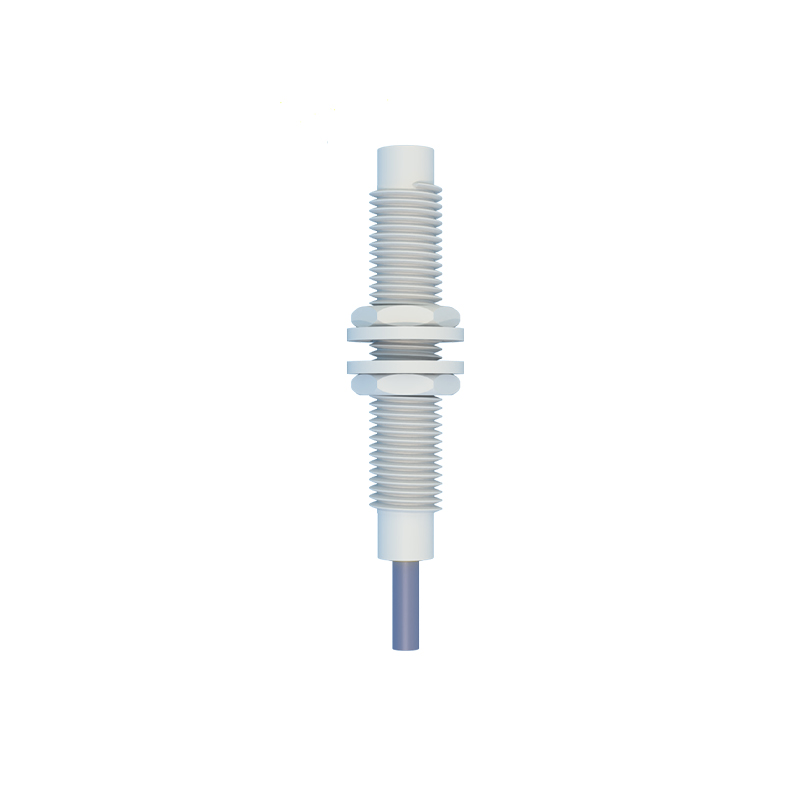
Smooth proximity sensors, also known as non-contact detection devices, play a pivotal role in modern industrial automation and control systems. These sensors operate by emitting an electromagnetic field or a beam of electromagnetic radiation and detecting changes in the field or return signal. The primary function of a smooth proximity sensor is to detect the presence or absence of an object without any physical contact, thereby eliminating mechanical wear and tear, reducing maintenance needs, and enhancing operational efficiency.
One of the most significant functions of smooth proximity sensors is object detection and positioning. In manufacturing lines, these sensors are used to identify the position of components on conveyor belts, ensuring precise placement for assembly or packaging. For example, in automotive manufacturing, smooth proximity sensors detect the exact location of car parts, allowing robotic arms to perform accurate welding or installation. This non-contact detection is crucial in environments where contamination or damage from contact must be avoided, such as in food processing or pharmaceutical industries.
Another key application is speed and motion monitoring. Smooth proximity sensors can measure the rotational speed of motors, gears, or shafts by detecting metallic targets passing by. This is essential in machinery where speed regulation is critical for safety and performance, such as in CNC machines or industrial fans. By providing real-time data on motion, these sensors help prevent equipment failures and optimize energy consumption.
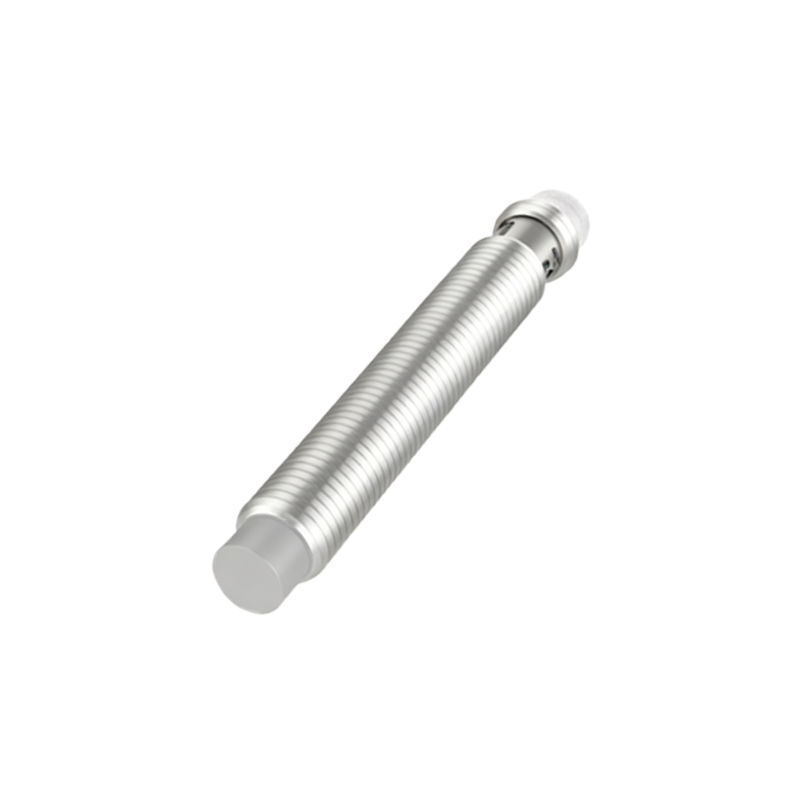
Smooth proximity sensors also contribute to safety and security systems. In automated doors or elevators, they detect the presence of people or objects to prevent accidents. In hazardous environments, such as chemical plants, these sensors monitor the position of valves or levers without exposing workers to danger. Their robust design, often with IP67 or higher ratings, ensures reliable operation in dusty, wet, or extreme temperature conditions.
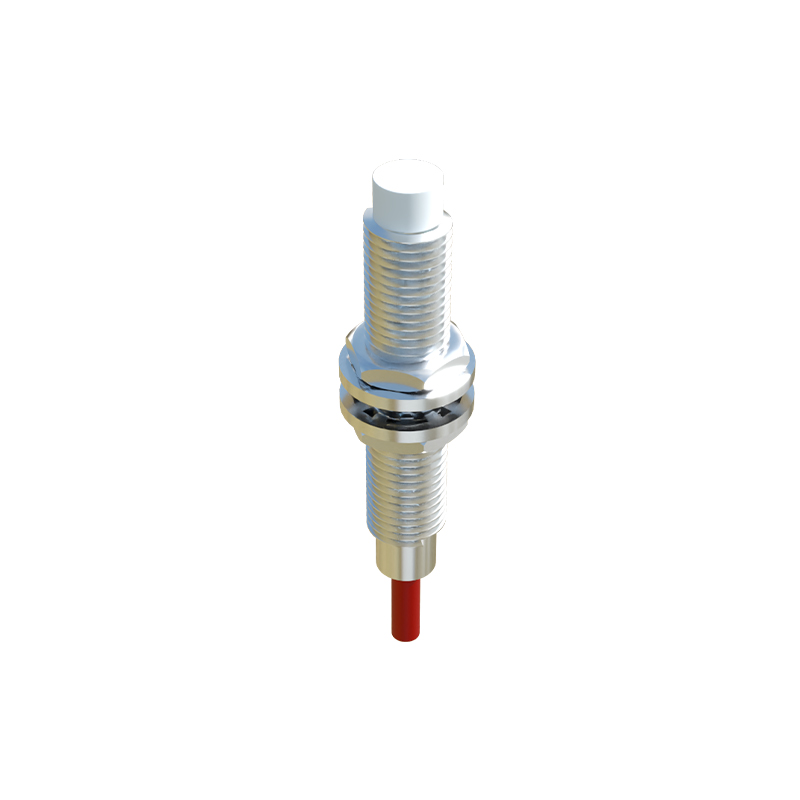
Additionally, these sensors are integral to quality control processes. In electronics manufacturing, smooth proximity sensors verify the presence of components on circuit boards, ensuring that no part is missing before further processing. They can also detect material properties, such as metal type or thickness, by analyzing changes in the electromagnetic field. This capability reduces defects and improves product consistency.
The versatility of smooth proximity sensors extends to counting and inventory management. In logistics warehouses, sensors track items on conveyor systems, enabling automated counting and sorting. This streamlines supply chain operations and minimizes human error. Their fast response time, often in microseconds, allows for high-speed applications without lag.
In summary, smooth proximity sensors are indispensable tools in industrial automation, offering functions like object detection, speed monitoring, safety enhancement, quality assurance, and inventory control. Their non-contact nature ensures durability and precision, making them suitable for diverse sectors from automotive to food production. As technology advances, these sensors continue to evolve with features like IoT connectivity and smart diagnostics, further expanding their role in Industry 4.0.