In the world of industrial automation and electronic control, sensing technology forms the backbone of countless systems. Among the various types of sensors available, the reed proximity sensor stands out for its simplicity, reliability, and cost-effectiveness. This article delves into the operational principles, common applications, advantages, limitations, and key selection criteria for these versatile components.
At its core, a reed proximity sensor operates based on the fundamental principles of magnetism and mechanical contact. The sensor's primary element is the reed switch—a hermetically sealed glass capsule containing two ferromagnetic reeds, typically made of a nickel-iron alloy. These reeds overlap at their ends with a small gap separating them, and their contacts are often plated with rhodium or ruthenium for durability and low electrical resistance. When an external magnetic field of sufficient strength is brought into close proximity—such as from a permanent magnet mounted on a moving target—the ferromagnetic reeds become magnetically polarized. This polarization causes an attractive force between them, overcoming their inherent spring tension and pulling the contacts together, thereby closing an electrical circuit. When the magnetic field is removed, the reeds spring back to their original open position. This binary, non-contact switching action is the essence of its operation.
The applications for reed proximity sensors are remarkably diverse, spanning numerous industries. In the automotive sector, they are commonly found in door and trunk open/close detection systems, seat belt sensors, and gear position sensing in transmissions. The security industry relies on them for door and window sensors in alarm systems, where a magnet on the moving part and a sensor on the frame provide a tamper-proof detection method. Within consumer appliances, they detect lid positions in washing machines or refrigerators. Industrial automation utilizes them for position sensing of cylinders, limit switching on linear actuators, and detecting the presence of parts on conveyors, especially in environments where oil, dust, or mild splashes are present, as the sealed glass switch is inherently protected. They are also prevalent in medical devices, vending machines, and even in some telecommunications equipment for relay functions.
The enduring popularity of reed sensors is attributed to several distinct advantages. First is their exceptional reliability and long operational life, often rated for hundreds of millions of switching cycles when used within specifications, as the contacts are sealed in an inert gas or vacuum environment, preventing oxidation and contamination. Second, they consume zero power in their passive state, making them ideal for battery-powered or energy-conscious applications. Their simple two-wire connection and inherent galvanic isolation between the switching element and the sensed object simplify circuit design. Furthermore, they can switch both AC and DC loads, handle a wide voltage range, and are generally immune to electrostatic discharge (ESD) and voltage transients that can damage solid-state sensors. Their cost is typically lower than many active electronic proximity sensors, such as inductive or capacitive types.
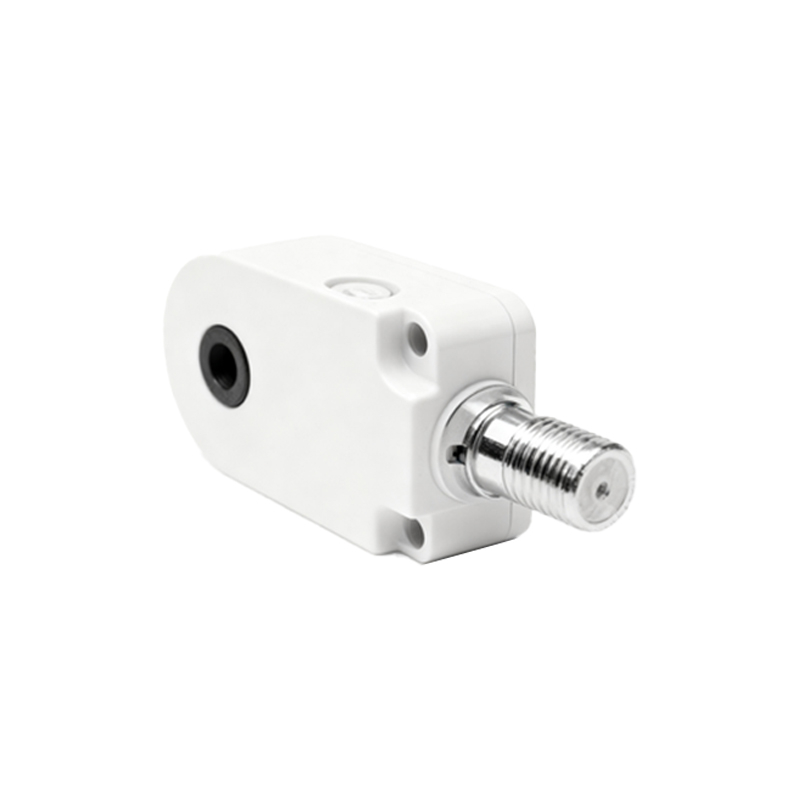
However, designers must also be aware of their limitations. The switching speed, while sufficient for many mechanical applications, is slower than solid-state alternatives, typically in the range of 0.5 to 2 milliseconds. The physical size of the glass capsule can limit miniaturization. The magnetic operating distance, or "switching distance," is relatively short, usually between 5mm and 50mm depending on magnet strength and sensor sensitivity. They can be susceptible to strong external magnetic fields, which may cause false triggering or latching. Finally, the mechanical nature of the reeds means they have a finite life when switching inductive loads (like relays or solenoids) due to contact arcing, which can eventually erode the contact plating.
Selecting the right reed proximity sensor requires careful consideration of several parameters. The operating distance must be matched to the application's mechanical travel, with a safety margin. The sensor configuration—normally open (NO), normally closed (NC), or changeover (SPDT)—must fit the control logic. Electrical ratings are critical: the maximum switching voltage and current (both AC and DC), especially for inductive loads, must not be exceeded. For DC loads, the polarity of the wiring is important. The housing material (often PBT plastic, brass, or stainless steel) and ingress protection (IP) rating determine suitability for the environmental conditions, such as humidity, temperature extremes, or chemical exposure. Finally, the connection type, such as pre-wired cables, quick-disconnects, or terminal housings, affects installation.
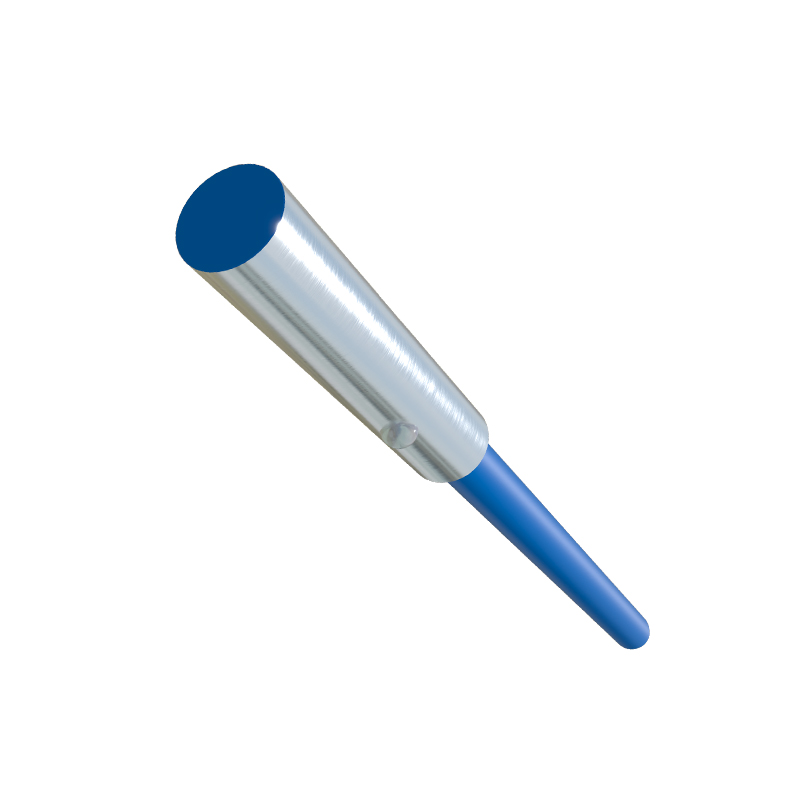
In conclusion, reed proximity sensors offer a robust, economical, and highly effective solution for non-contact position sensing in a vast array of applications. Their marriage of magnetic actuation and physical contact provides a unique blend of benefits that solid-state sensors cannot always replicate. By thoroughly understanding their working principle, acknowledging their strengths and constraints, and meticulously matching their specifications to the task at hand