In the realm of industrial automation, cylindrical proximity sensors are indispensable components, enabling non-contact detection of metallic and, in some cases, non-metallic objects. Selecting the right supplier for these critical devices is paramount for ensuring system reliability, efficiency, and longevity. This guide delves into the key considerations when sourcing cylindrical proximity sensors and profiles leading suppliers in the global market.
Cylindrical proximity sensors, characterized by their robust threaded metal housing, are designed for harsh industrial environments. They operate on principles such as inductive, capacitive, ultrasonic, or magnetic sensing. Inductive sensors are most common, detecting ferrous and non-ferrous metals without physical contact. Key performance parameters include sensing distance, repeat accuracy, switching frequency, housing material (typically nickel-plated brass or stainless steel), and environmental protection ratings like IP67 or IP69K.
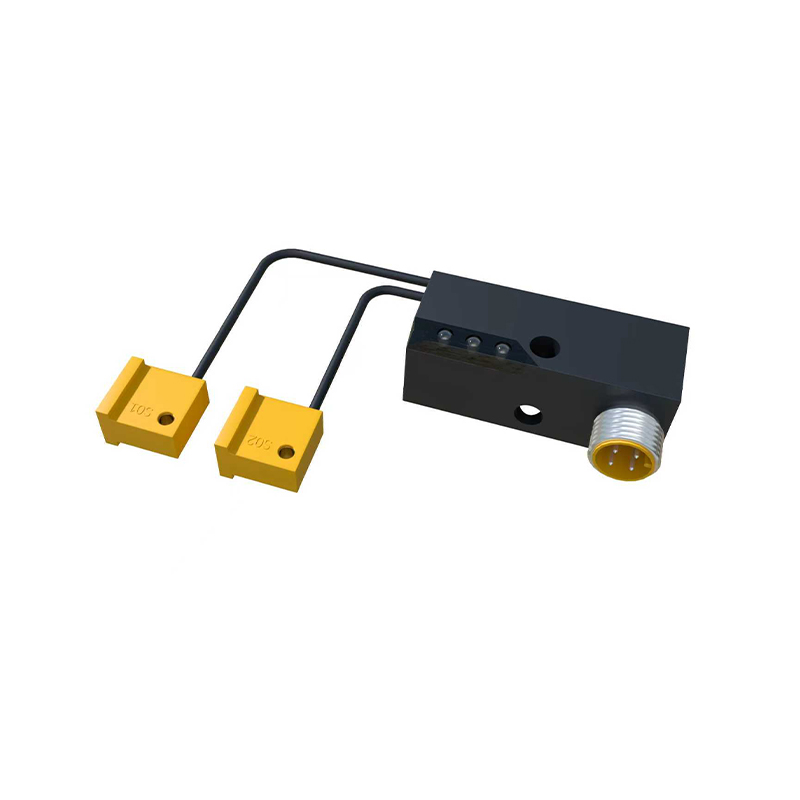
When evaluating suppliers, several technical and commercial factors must be scrutinized. First, product range and specialization are crucial. A premier supplier should offer a wide array of cylindrical sensors with varying thread sizes (e.g., M8, M12, M18, M30), sensing ranges, output types (PNP/NPN, NO/NC, analog, IO-Link), and connection methods (cable or connector). Customization capabilities for specific applications, such as extreme temperatures, high pressure washdowns, or corrosive atmospheres, indicate advanced engineering support.
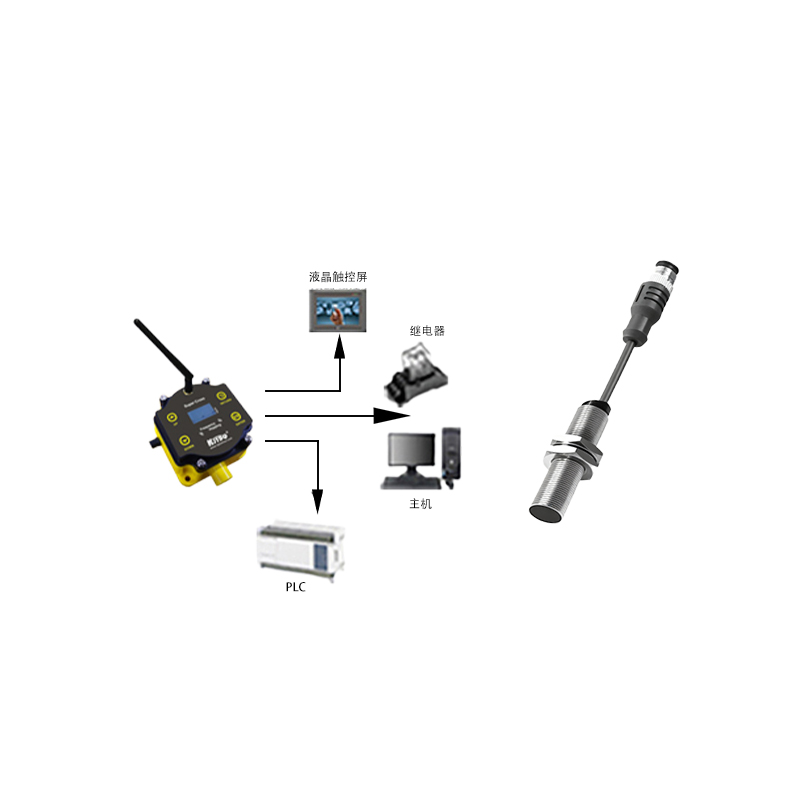
Second, manufacturing quality and certifications are non-negotiable. Suppliers should adhere to international standards like ISO 9001 for quality management and may hold specific industry certifications for automotive (IATF 16949), food and beverage, or pharmaceutical applications. Consistent performance, backed by rigorous testing and quality control processes, minimizes downtime and maintenance costs.
Third, technical support and global logistics define a supplier's reliability. Providers with strong application engineering teams can assist with sensor selection, integration troubleshooting, and optimization. A robust global distribution and supply chain network ensures timely delivery and local inventory availability, which is critical for maintenance, repair, and operations (MRO) and large-scale project rollouts.
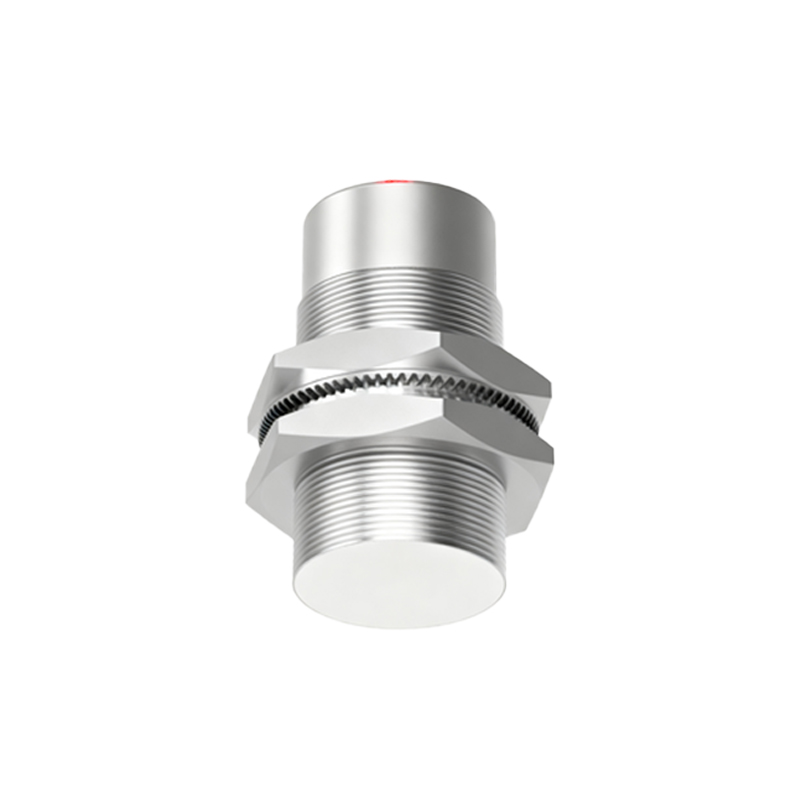
Leading global suppliers in this sector include established giants and specialized innovators. Companies like Sick AG, Pepperl+Fuchs, Balluff GmbH, ifm electronic gmbh, and Omron Corporation are renowned for their extensive portfolios, technological innovation, and global presence. These industry leaders continuously invest in R&D, introducing sensors with enhanced intelligence, such as those integrated with IO-Link for digital communication and condition monitoring.
Sick AG, for instance, offers high-precision inductive sensors with exceptional resistance to electromagnetic interference. Pepperl+Fuchs is celebrated for its ruggedized designs suitable for heavy-duty applications. Balluff excels in providing compact, high-performance sensors with advanced diagnostic features. ifm electronic emphasizes user-friendly setup and robust construction, while Omron is a pioneer in miniaturization and high-speed detection.
Beyond these majors, several strong regional suppliers and value-oriented manufacturers provide competitive alternatives without significantly compromising on core performance. It is advisable to request samples for real-world testing in your specific application to validate claims regarding sensing range, temperature stability, and resistance to environmental stressors like vibration or cutting fluids.
Ultimately, the choice of a cylindrical proximity sensor supplier hinges on a balanced assessment of technical specifications, total cost of ownership (including price, durability, and support), and strategic alignment with your operational needs. Partnering with a technically proficient and responsive supplier is an investment in the seamless and productive operation of automated systems, from assembly lines and packaging machinery to robotic cells and material handling equipment. A diligent sourcing process mitigates risk and contributes significantly to operational excellence in modern manufacturing and process industries.