In the rapidly evolving landscape of industrial automation and smart systems, high-tech proximity sensors have become indispensable components for precise detection, positioning, and control. These sensors operate without physical contact, using electromagnetic fields, infrared light, or ultrasonic waves to detect the presence or absence of objects within a defined range. Understanding their specifications is crucial for selecting the right sensor for specific applications, ensuring optimal performance, reliability, and efficiency.
Key specifications of proximity sensors include sensing range, output type, response time, and environmental ratings. The sensing range, typically measured in millimeters or centimeters, defines the maximum distance at which the sensor can reliably detect an object. For instance, inductive proximity sensors commonly offer ranges from 1 mm to 60 mm, while capacitive types may extend up to 80 mm, depending on the material and size of the target. Output types vary widely, with common options being NPN, PNP, analog (4-20 mA or 0-10 V), and digital (e.g., IO-Link). The choice depends on the control system interface—NPN outputs are often used in sinking configurations, whereas PNP suits sourcing setups.
Response time, expressed in milliseconds or microseconds, indicates how quickly the sensor reacts to changes in detection. High-speed applications, such as packaging lines or robotics, require fast response times (e.g., under 1 ms) to maintain process accuracy. Additionally, environmental factors like temperature, humidity, and ingress protection (IP) ratings must be considered. Industrial sensors often feature IP67 or IP68 ratings, ensuring resistance to dust and water immersion, and can operate in temperatures from -25°C to 70°C or wider ranges for extreme conditions.
Another critical parameter is repeatability, which refers to the sensor's ability to consistently detect an object at the same distance under identical conditions. High repeatability (e.g., ±0.5% of sensing range) minimizes errors in automated systems. Material compatibility also plays a role—inductive sensors detect metallic objects, while capacitive sensors can sense non-metallic materials like plastics or liquids. Some advanced models incorporate self-diagnostic functions, such as short-circuit protection or contamination warnings, enhancing system safety and reducing downtime.
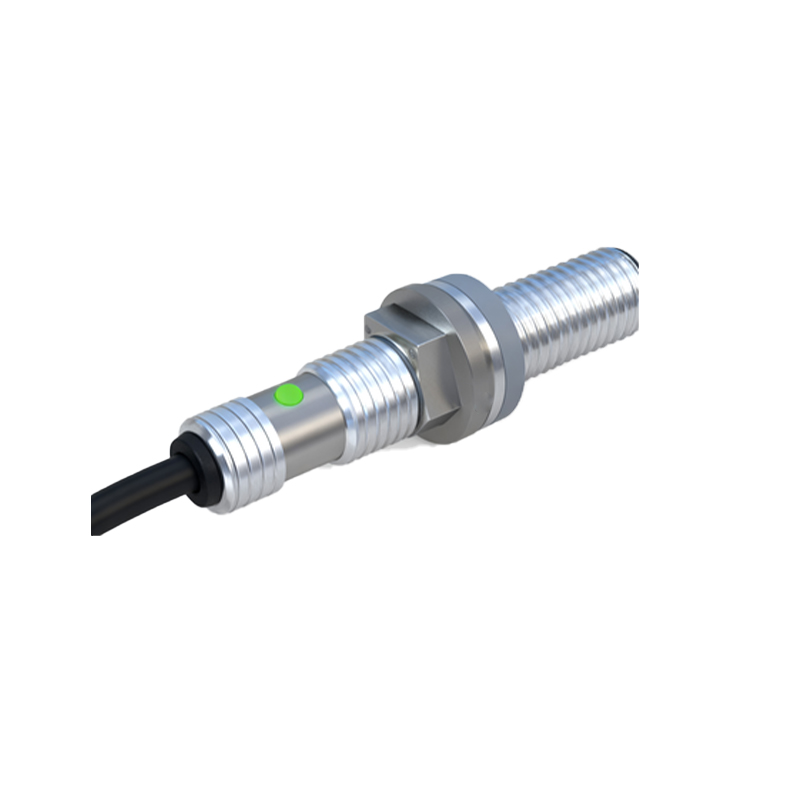
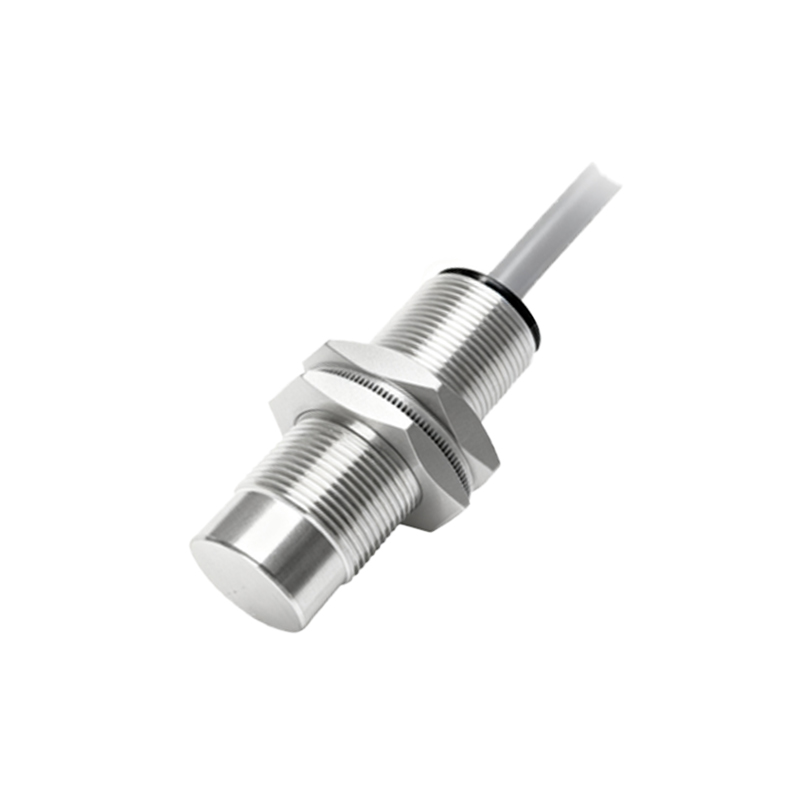
Power supply requirements are equally important, with most proximity sensors operating on DC voltages (10-30 V DC) or AC options (90-250 V AC). Energy-efficient designs with low current consumption (e.g., less than 20 mA) help reduce overall system costs. Furthermore, mounting styles (e.g., threaded barrel, rectangular) and housing materials (stainless steel, plastic) should align with installation constraints and environmental exposure.
In summary, selecting a high-tech proximity sensor involves balancing these specifications against application needs. For example, in automotive assembly, a sensor with a long sensing range and high IP rating might be prioritized, whereas in food processing, a capacitive sensor with hygienic design could be essential. As technology advances, features like IoT connectivity and AI-enhanced calibration are emerging, pushing the boundaries of what proximity sensors can achieve in smart factories and beyond. By thoroughly evaluating parameters, engineers can drive innovation and efficiency in diverse sectors, from manufacturing to healthcare.