In the realm of modern electronics and industrial automation, proximity sensors play a pivotal role in enabling non-contact detection, ensuring reliability, precision, and longevity in circuit board applications. From consumer electronics to heavy machinery, the choice of sensor brand can significantly impact performance, integration ease, and overall system cost. This article delves into the leading brands that specialize in proximity sensors for circuit boards, examining their core technologies, product offerings, and industry standing.
When selecting a proximity sensor for circuit board integration, engineers typically evaluate factors such as sensing range, output type (digital or analog), size, power consumption, and environmental robustness. Among the most respected brands in this niche is Omron Electronics. With decades of expertise, Omron offers a comprehensive portfolio of inductive, capacitive, and photoelectric proximity sensors renowned for their high precision and durability. Their E2E and E2A series, for instance, are widely adopted in PCB assemblies for position detection and object counting, featuring compact designs that save valuable board space. Omron’s sensors are often lauded for excellent noise immunity and stable operation in challenging conditions, making them a go-to choice for automotive and manufacturing applications.
Another key player is Sick AG, a German-based company known for its innovative sensor solutions. Sick’s proximity sensors, such as the IM series, are engineered for high-performance detection in minimal spaces. They excel in applications requiring precise measurement and rapid response times, common in robotics and packaging machinery. Sick sensors frequently incorporate advanced features like IO-Link communication, facilitating seamless data exchange and diagnostics within smart factory setups. Their robust construction ensures resistance to vibration, temperature fluctuations, and contaminants, which is critical for industrial-grade circuit boards.
Pepperl+Fuchs stands out for its specialization in intrinsic safety and explosion-proof sensors, catering to hazardous environments like chemical plants or mining. Their inductive and capacitive proximity sensors are designed to meet stringent international standards (e.g., ATEX, IECEx) while offering easy integration into control boards. The brand’s focus on modularity allows engineers to customize sensing heads and amplifiers, providing flexibility in PCB layout. Pepperl+Fuchs sensors are praised for their long service life and minimal maintenance needs, reducing downtime in critical operations.
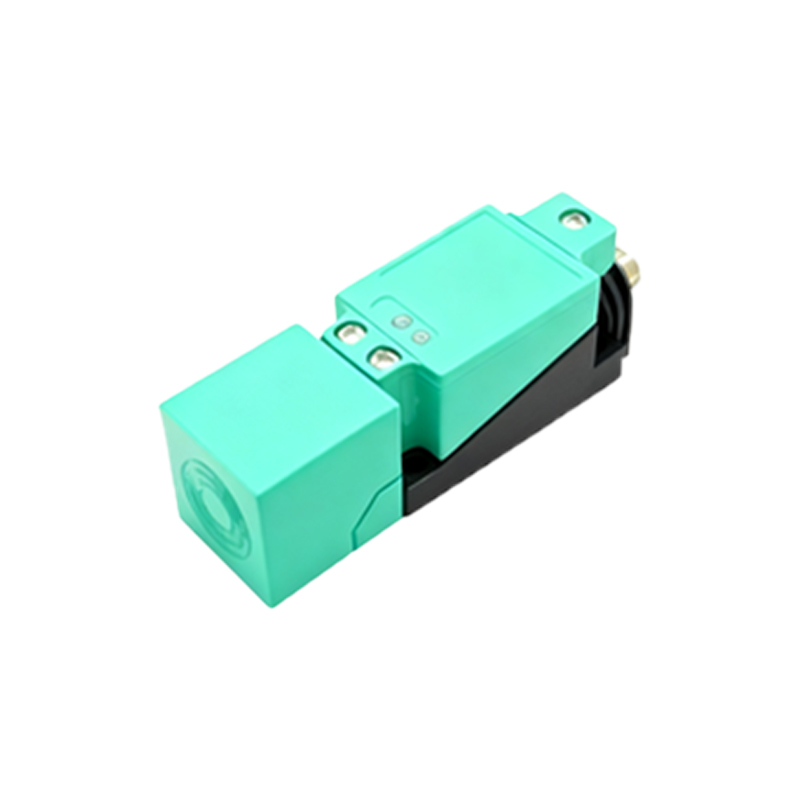
For applications demanding ultra-miniaturization, Panasonic Electric Works (now part of Panasonic Industrial Devices) offers an impressive range of micro proximity sensors. Their PM series, for example, includes sensors as small as a few millimeters, ideal for compact consumer electronics like smartphones and wearables. These sensors consume low power, extending battery life, and provide consistent detection of metallic and non-metallic objects. Panasonic’s strength lies in mass-production capabilities and rigorous quality control, ensuring affordability without compromising reliability.
Balluff GmbH is another prominent brand, particularly in the automation sector. Balluff’s proximity sensors are recognized for their high switching frequencies and precision, suitable for high-speed assembly lines and CNC machinery. Their BES series incorporates RFID technology in some models, enabling identification and tracking functions directly from the sensor. This integration simplifies circuit board design by reducing component count. Balluff also emphasizes connectivity, with many sensors supporting industrial Ethernet protocols, aligning with Industry 4.0 trends.
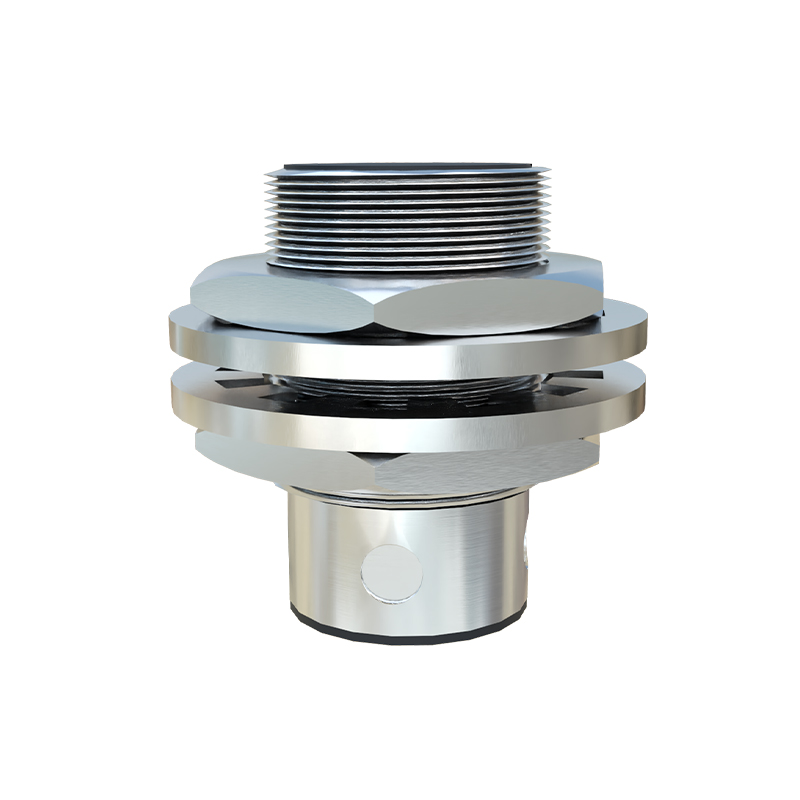
Emerging trends in proximity sensing include the adoption of MEMS (Micro-Electro-Mechanical Systems) technology and smart sensors with embedded diagnostics. Brands like Texas Instruments and STMicroelectronics are entering the space with IC-based solutions that allow for direct PCB mounting, offering programmable sensitivity and digital output. These semiconductor giants leverage their expertise in integrated circuits to create sensors that are highly scalable and cost-effective for volume production.
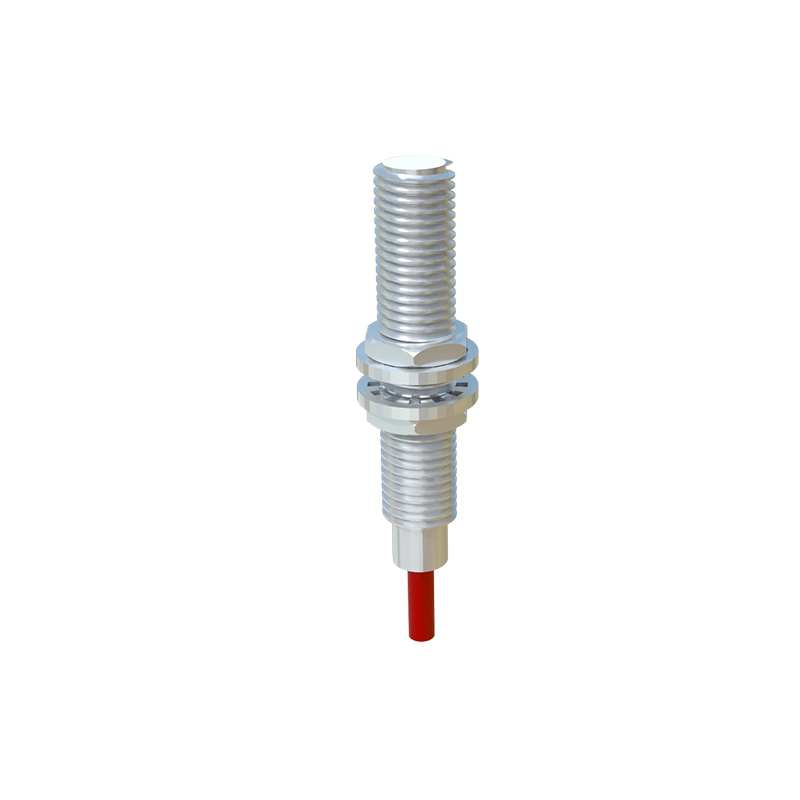
In conclusion, the selection of a proximity sensor brand for circuit board applications hinges on specific technical requirements and operational contexts. Established brands like Omron, Sick, Pepperl+Fuchs, Panasonic, and Balluff each bring unique strengths, from ruggedness and safety to miniaturization and smart features. As electronics continue to evolve, these brands are driving innovation with sensors that enhance efficiency, enable automation, and support the next generation of intelligent systems. Engineers are advised to consult datasheets, application notes, and supplier support to ensure optimal sensor integration, ultimately boosting the performance and reliability of their PCB-based designs.