In the realm of industrial automation and control systems, the 24V proximity sensor stands as a fundamental component, enabling non-contact detection of objects with precision and reliability. These sensors operate by generating an electromagnetic field or a beam of electromagnetic radiation, typically infrared light, and detecting changes in the field or return signal when a target object enters their sensing range. The 24V DC power supply is the industry standard for many control circuits, offering a balance between safety, efficiency, and compatibility with Programmable Logic Controllers (PLCs) and other industrial electronics.
There are several primary types of 24V proximity sensors, each suited for specific applications. Inductive proximity sensors are the most common, used to detect metallic objects without physical contact. They generate an oscillating electromagnetic field from a coil. When a ferrous or non-ferrous metal target enters this field, it induces eddy currents, causing a change in oscillation amplitude that is detected by the sensor's circuit, triggering an output signal. These sensors are ideal for harsh environments involving dirt, oil, or moisture, as their sealed housing protects internal components. Common applications include position sensing of machine parts, counting metal objects on conveyors, and end-of-travel detection in automated machinery.
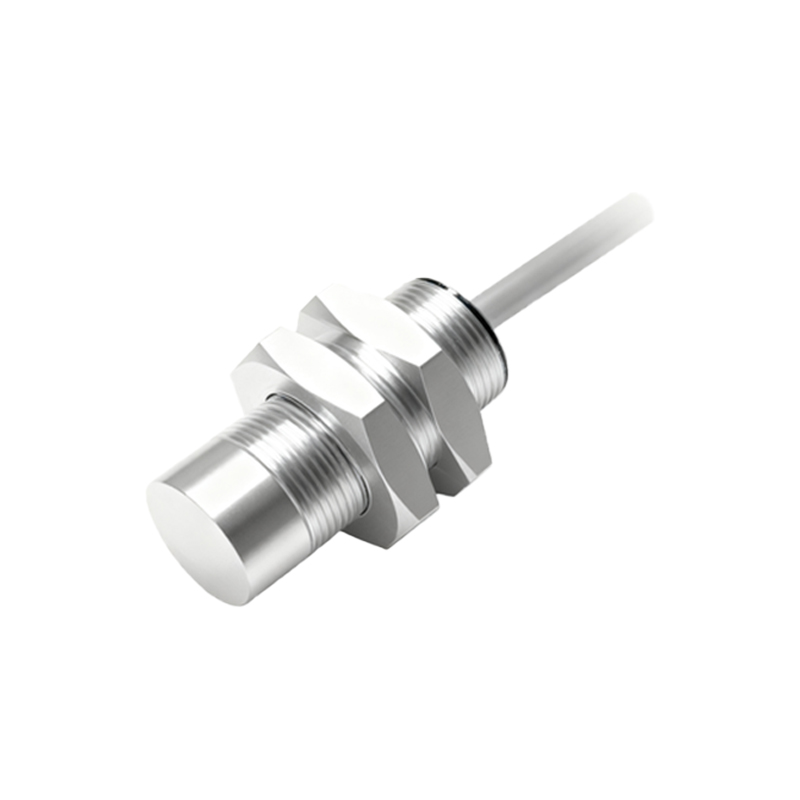
Capacitive proximity sensors, on the other hand, can detect both metallic and non-metallic materials, such as plastics, wood, liquids, and granular substances. They function by measuring changes in capacitance between the sensor's face and the target object. When an object enters the sensing field, it alters the dielectric constant, leading to a detectable change in capacitance. This makes them versatile for tasks like liquid level detection, material handling of non-metals, and presence sensing of packaged goods.
For applications requiring longer sensing distances or detection of non-metallic objects where capacitive sensors may be less ideal, photoelectric sensors are often employed. These 24V sensors use a light transmitter (usually LED) and a receiver. They can be configured in through-beam, retro-reflective, or diffuse reflective modes. The 24V DC supply powers the light source and the output switching circuitry. They excel in detecting small objects, transparent materials, and are used in packaging, assembly line automation, and security systems.
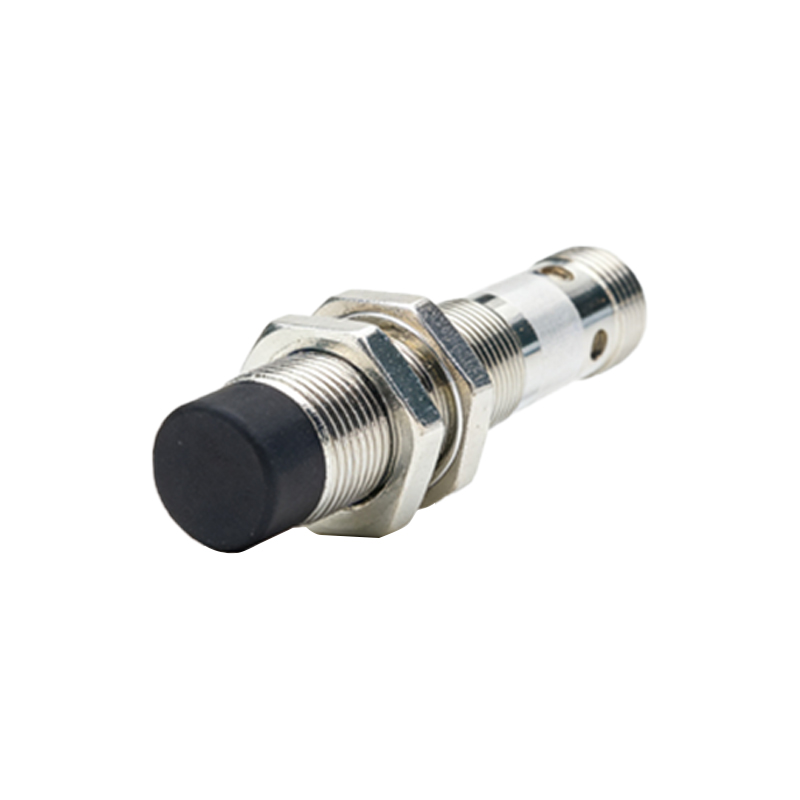
The key advantages of using a 24V DC proximity sensor are numerous. Safety is paramount; 24V is generally considered a low voltage, reducing the risk of severe electrical shock in industrial settings compared to higher voltage systems. This aligns with global safety standards for control circuits. Furthermore, 24V DC systems are less susceptible to electrical noise interference, which is prevalent in industrial plants filled with motors and drives, ensuring stable and reliable sensor operation. The compatibility with modern PLCs, which predominantly use 24V DC input/output modules, simplifies system design and integration.
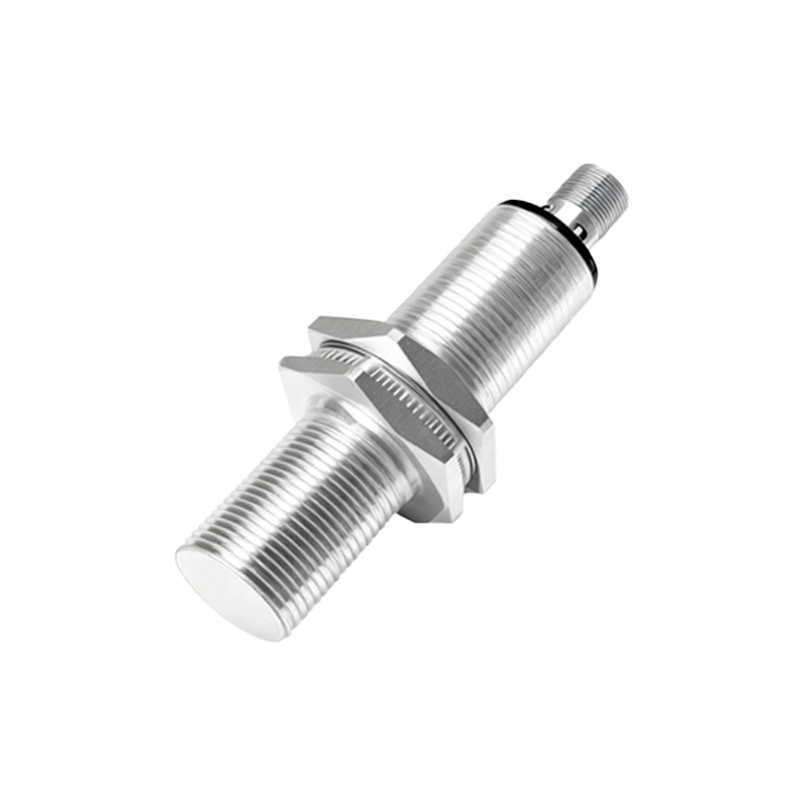
When selecting a 24V proximity sensor for an application, several critical specifications must be considered. The sensing range, typically a few millimeters to several tens of millimeters, must be appropriate for the installation distance to the target. The housing material, such as nickel-plated brass or stainless steel, determines environmental resilience against chemicals, impacts, and temperature extremes. The output type is crucial: NPN (sinking) or PNP (sourcing) transistor outputs define how the sensor interfaces with the PLC or controller. The choice depends on the input circuit configuration of the control device. Additionally, factors like switching frequency (response speed), IP (Ingress Protection) rating for dust and water resistance, and the presence of built-in diagnostics like LED status indicators are vital for optimal performance and maintenance.
Installation and wiring are straightforward but require attention to detail. The sensor is typically connected with three wires: brown for 24V DC positive (+), blue for common negative (-), and black for the switched output signal. Shielding and proper cable routing away from high-power cables are essential to minimize electromagnetic interference. Regular maintenance involves keeping the sensing face clean from debris, checking for physical damage, and verifying the electrical connections to prevent false triggers or failures.
In conclusion, the 24V proximity sensor is an indispensable workhorse in modern industrial automation. Its ability to provide accurate, wear-free, and rapid object detection under challenging conditions makes it a cornerstone of efficient and safe manufacturing processes. From automotive assembly lines to food processing plants, understanding the principles, types, and selection criteria of these sensors empowers engineers and technicians to design robust and intelligent control systems that drive productivity and innovation.