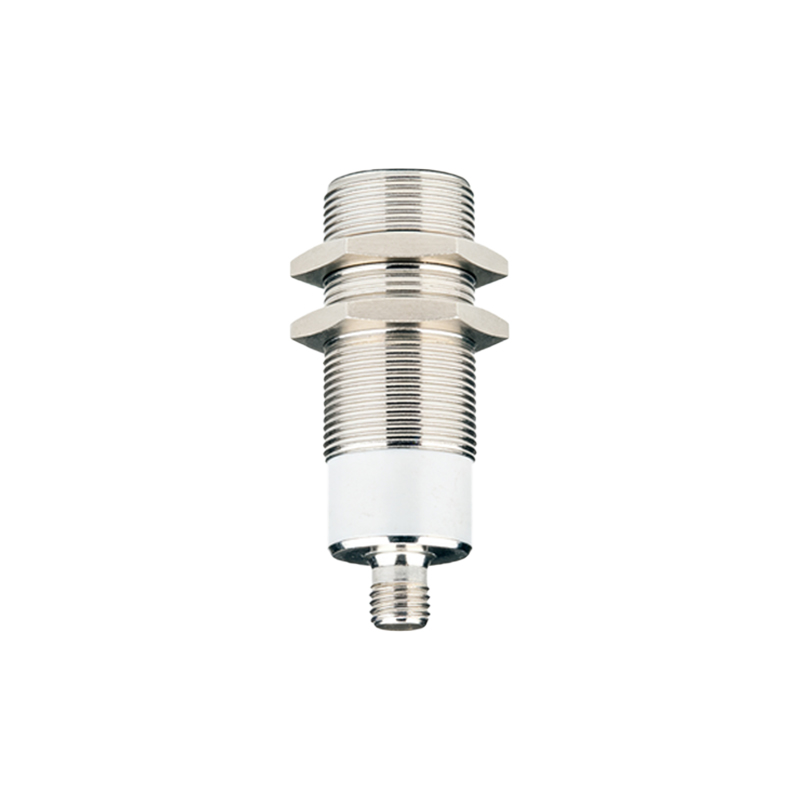
Proximity light sensors, a cornerstone of modern automation and control systems, have evolved into indispensable components across a vast spectrum of industries. Their fundamental principle revolves around emitting a beam of light—often infrared (IR), laser, or LED-based—and detecting changes in the received light signal caused by the presence or absence of a target object within a specified range. Unlike physical contact switches, they offer non-contact detection, which translates to superior reliability, longevity, and precision. The question of their utility is best answered by exploring their diverse and critical applications.
In the realm of industrial automation and manufacturing, proximity light sensors are the silent sentinels ensuring efficiency and safety. On high-speed assembly lines, they perform critical object detection and counting tasks. For instance, they verify the presence of components on a circuit board before soldering, count bottles on a filling line, or detect the position of a robotic arm's end-effector. This real-time feedback is crucial for process control, preventing jams, and maintaining product quality. They are also integral to part positioning, ensuring that a workpiece is correctly aligned before a machining operation, such as drilling or welding, commences. In packaging machinery, sensors precisely detect the edge of a label or the height of a stack, enabling accurate cutting and sealing.
The automotive industry heavily relies on these sensors for both manufacturing and within the vehicles themselves. During production, they guide robots in windshield installation, door panel assembly, and engine part placement. Within the vehicle, they enhance user experience and safety. The automatic activation of rearview camera displays when shifting into reverse, the prevention of power window entrapment by detecting obstacles, and the control of interior lighting are all common applications. Advanced driver-assistance systems (ADAS) may use arrays of such sensors for near-field object detection around the vehicle's perimeter.
Consumer electronics represent another major domain where proximity light sensors have become ubiquitous. The most familiar example is in smartphones and tablets, where a sensor detects when the device is held close to the user's ear during a call. This triggers the screen to turn off, preventing accidental touch inputs and saving battery power. Similarly, in laptops, sensors can detect when a user is present to wake the device from sleep mode or dim the screen when the user steps away. Interactive kiosks and digital signage use them to detect user presence, activating content only when someone is nearby, thereby conserving energy and attracting attention.
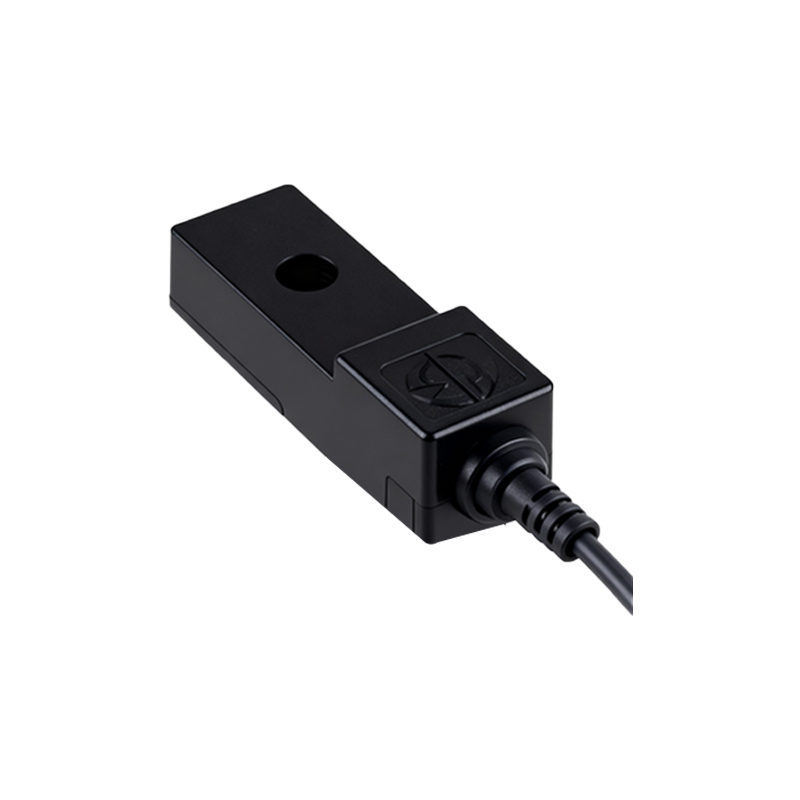
In the field of security and access control, proximity light sensors form the basis of many intrusion detection systems. They can be configured as photoelectric beams across doorways, windows, or perimeters. An interruption of the invisible light beam triggers an alarm. This non-contact method is less prone to tampering compared to mechanical switches. They are also used in automatic doors, activating the opening mechanism when a person approaches, facilitating smooth traffic flow in commercial buildings and hospitals.
Beyond these core areas, their applications extend to robotics for obstacle avoidance and navigation, to medical equipment for fluid level detection in IV drips, and to agriculture for monitoring crop lines in automated harvesting equipment. The benefits are clear: enhanced operational efficiency through automation, improved product quality via precise detection, increased machinery and personnel safety, reduced mechanical wear and tear due to non-contact operation, and energy savings through intelligent activation.
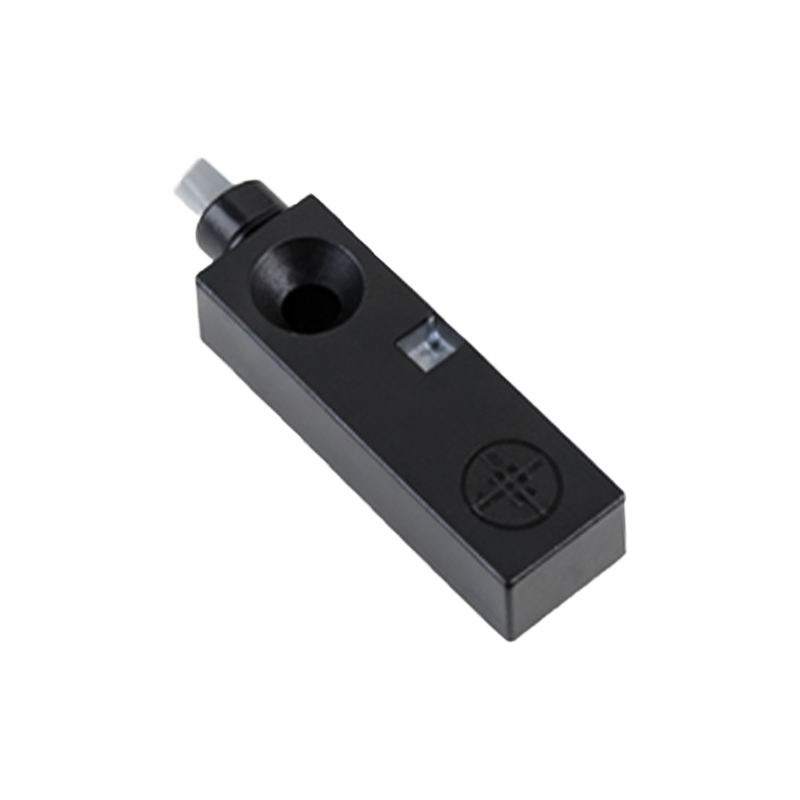
Choosing the right sensor involves considering factors like sensing range, beam type (diffuse, retro-reflective, or through-beam), response time, environmental robustness (resistance to dust, moisture, or ambient light interference), and output type (digital or analog). As technology advances, we see the integration of smarter sensors with IO-Link communication, providing not just detection but also diagnostic data, further pushing the boundaries of Industry 4.0 and the Internet of Things (IoT). In conclusion, the utility of proximity light sensors is profound and growing. They are fundamental enablers of automation, precision, and intelligence, seamlessly bridging the physical and digital worlds to create safer, more efficient, and more responsive systems across global industries.