In the intricate world of industrial automation and process control, the seamless and reliable operation of machinery hinges on the ability to perceive the physical environment. Among the most fundamental and vital components enabling this perception are proximity sensors and pressure sensors. While distinct in their primary function—detecting the presence or absence of an object versus measuring force per unit area—their roles are deeply intertwined in ensuring safety, precision, and efficiency. This article delves into the specific functions, applications, and synergistic importance of these sensors in contemporary industrial settings.
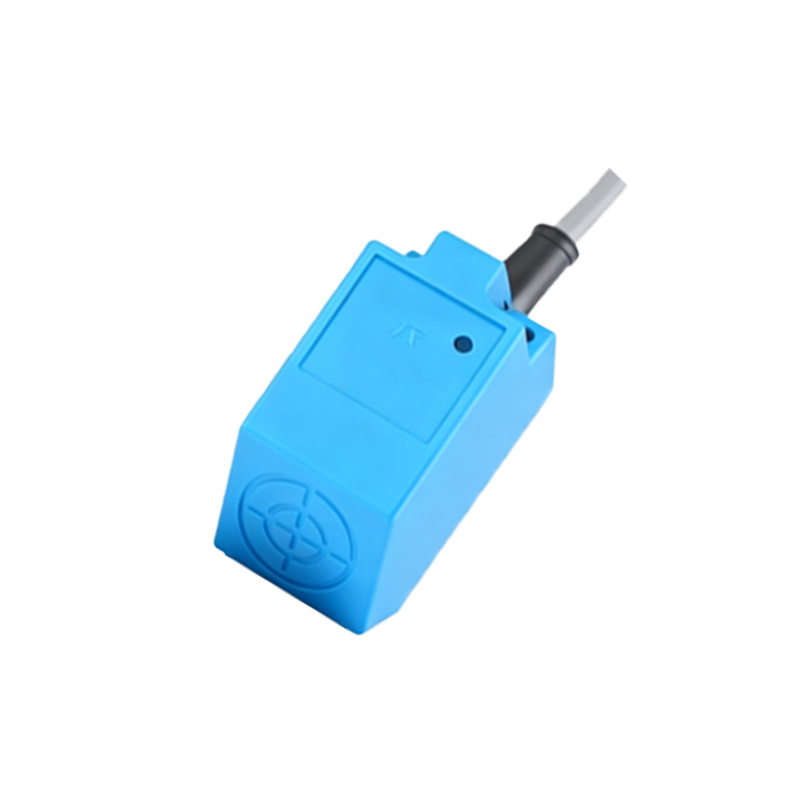
Proximity sensors are non-contact devices designed to detect the presence or absence of a target object within a defined sensing range without physical contact. They operate on various principles, including inductive, capacitive, ultrasonic, and photoelectric technologies. Inductive sensors, for instance, generate an electromagnetic field to detect metallic objects, making them indispensable in metalworking, automotive assembly lines, and robotic positioning systems. Their primary function is to provide a discrete signal—often a simple on/off switch—that informs a control system of an object's position. This capability is crucial for tasks such as counting objects on a conveyor, verifying part placement, initiating a machining sequence, or providing end-of-travel limits for actuators. The non-contact nature of proximity sensors eliminates mechanical wear, enhances operational speed, and improves reliability in harsh environments where dirt, oil, or vibration might compromise mechanical switches.
Pressure sensors, on the other hand, are transducers that convert a physical pressure value—be it of a gas, liquid, or even a solid—into an analog or digital electrical signal. They are the sentinels of fluid power systems and process loops. Technologies vary widely, from piezoelectric and strain gauge to capacitive and resonant wire designs, each suited to different pressure ranges, media, and accuracy requirements. The core function of a pressure sensor is to provide continuous, real-time data on system pressure. This data is fundamental for control and safety. In a hydraulic press, it ensures the correct force is applied. In a chemical processing plant, it maintains pressure within a reactor vessel to ensure both product quality and prevent dangerous over-pressurization. In HVAC systems, it monitors airflow and filter conditions. By providing feedback to programmable logic controllers (PLCs) or distributed control systems (DCS), pressure sensors enable precise regulation, alarming, and automated adjustments.
The true power of these sensors is realized in their integrated application within a single system. Consider a modern bottling plant. Inductive proximity sensors verify that a metal cap is present on the conveyor before the bottle proceeds. Subsequently, a pneumatic actuator, controlled by a pressure sensor monitoring the air supply line, applies the exact torque to secure the cap. A drop in pressure could signal a leak or fault, triggering an alarm. In automotive manufacturing, robotic welding arms rely on proximity sensors for precise positioning over a car body panel. Simultaneously, pressure sensors in the robot's hydraulic or pneumatic grippers ensure the clamping force is sufficient to hold the panel without causing deformation. This synergy prevents misalignment and part damage.
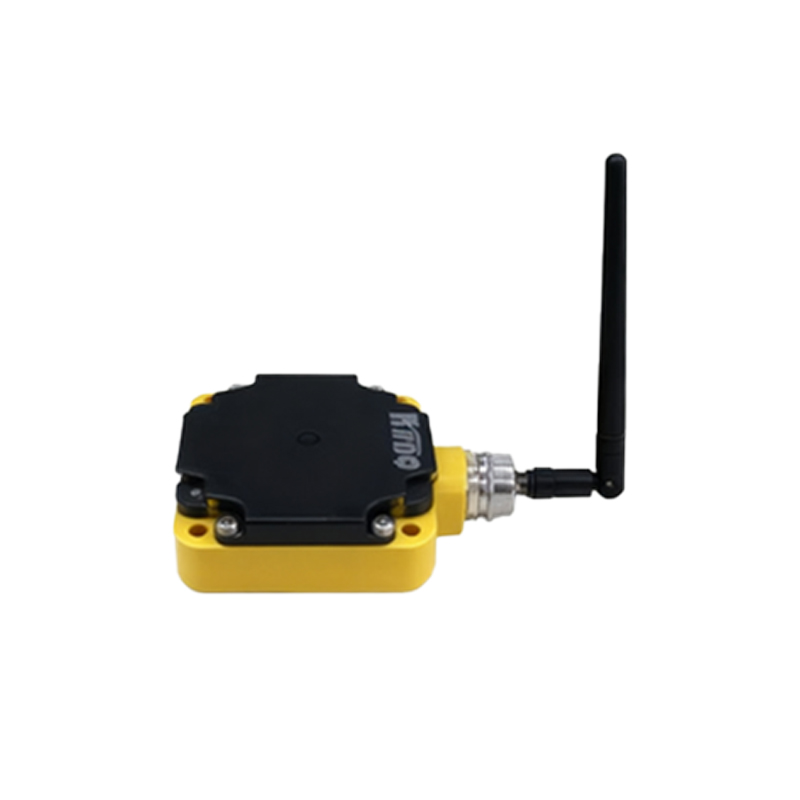
Furthermore, the data from these sensors is the cornerstone of predictive maintenance and Industry 4.0 initiatives. Anomalies in the signal from a proximity sensor—such as increased sensing distance due to mounting bracket loosening—or a gradual drift in the baseline reading of a pressure sensor can indicate impending failure. By integrating this sensor data into a supervisory control and data acquisition (SCADA) system or an Industrial Internet of Things (IIoT) platform, engineers can shift from reactive to proactive maintenance schedules, minimizing unplanned downtime.
In conclusion, proximity and pressure sensors are not merely components; they are the fundamental sensory organs of an automated system. The proximity sensor acts as the system's touchless "eyes" for positional awareness, while the pressure sensor serves as its "sense of touch" for force and condition monitoring. Their individual functions are critical, but their combined, integrated use creates robust, intelligent, and highly efficient automated processes. As industries strive for greater precision, safety, and connectivity, the evolution and application of these sensors will continue to be a primary driver of innovation and operational excellence in electrical and automation engineering.