In the world of industrial automation and machine control, proximity sensors are indispensable components. They provide non-contact detection of metallic and, in some cases, non-metallic objects, enabling precise, reliable, and wear-free operation in countless applications. From packaging lines and robotic assembly to automotive manufacturing and material handling, the choice of sensor can significantly impact system performance, uptime, and total cost of ownership. A common and critical question among engineers and procurement specialists is: which brand of proximity sensor is truly the best or most suitable?
The answer is not monolithic, as "best" is highly contextual. It depends on specific application requirements such as sensing range, target material, environmental conditions (e.g., temperature, washdowns), electrical output type, housing material, and required certifications. However, several brands have consistently risen to the top of the industry due to their innovation, reliability, global support, and comprehensive product portfolios. Let's delve into the leading contenders.
Key Industry Leaders:
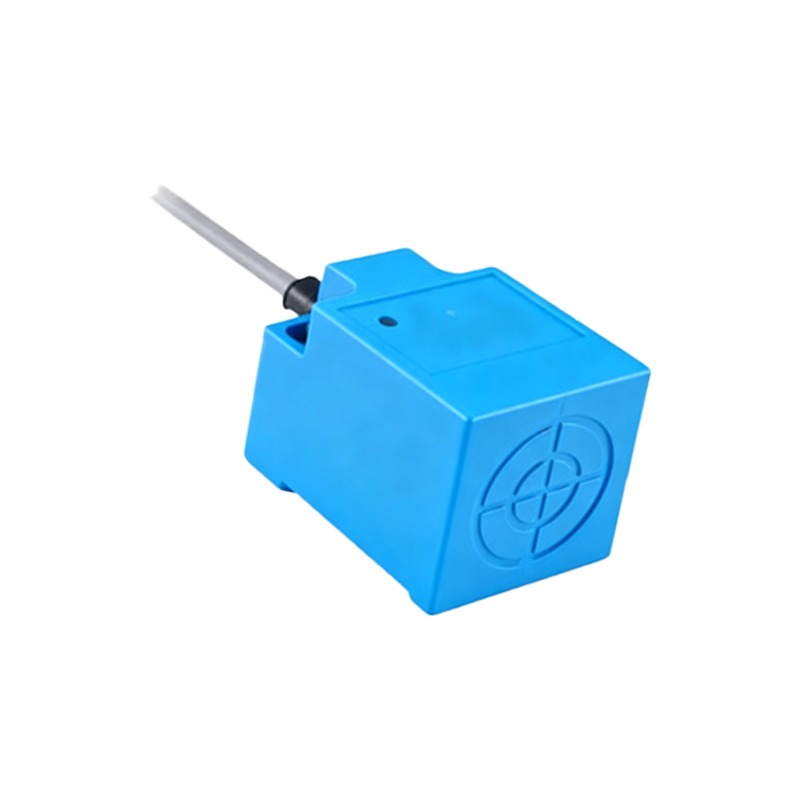
1. Sick AG: A German powerhouse in sensor technology, Sick is synonymous with high precision, innovation, and robustness. Their proximity sensor range, particularly inductive and capacitive models, is renowned for exceptional performance in challenging environments. Sick sensors often feature advanced diagnostics, high switching frequencies, and superior immunity to electromagnetic interference. They are a premium choice for applications demanding the highest levels of accuracy and reliability, such as in advanced robotics and high-speed automation.
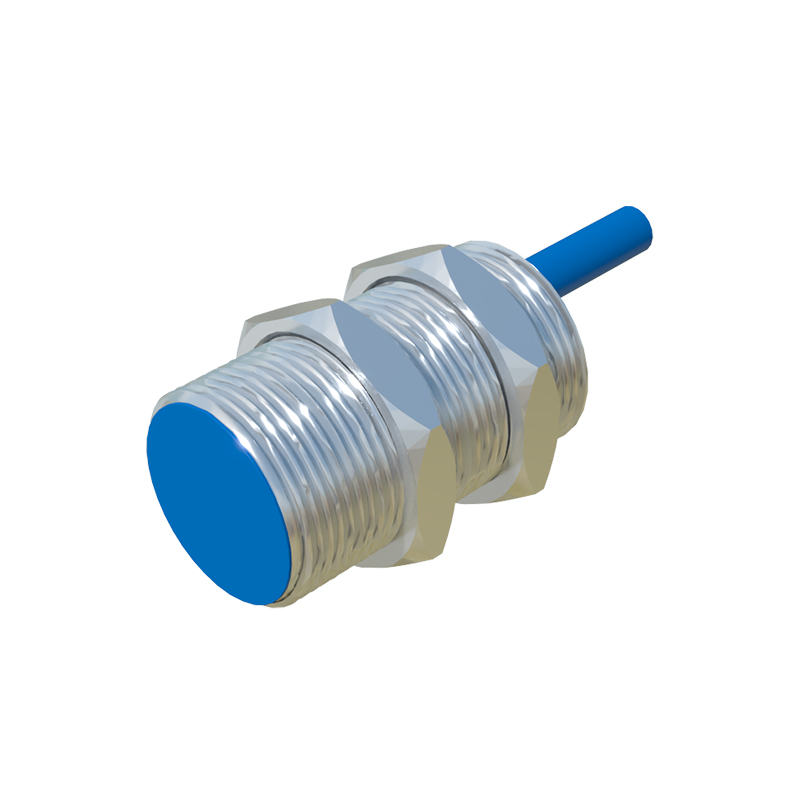
2. Pepperl+Fuchs: Another German leader, Pepperl+Fuchs is a cornerstone in intrinsic safety and industrial sensor technology. Their expertise in proximity sensors is vast, offering an incredibly wide array of inductive, capacitive, ultrasonic, and magnetic models. They excel in providing specialized solutions for hazardous areas (ATEX, IECEx), heavy-duty metal housings for harsh mechanical conditions, and sensors designed for specific industries like food and beverage (with hygienic designs). For engineers needing specialized certifications or facing extreme environments, Pepperl+Fuchs is frequently the first port of call.
3. Omron Corporation: A Japanese multinational, Omron is a titan in factory automation. Their proximity sensor lineup is arguably one of the broadest and most accessible globally. Omron balances performance, durability, and cost-effectiveness masterfully. They are known for introducing compact form factors, enhanced sensing distances, and features like embedded IO-Link for smart sensor capabilities. For standard to moderately demanding applications across general manufacturing, Omron provides reliable, well-documented, and readily available products that form the backbone of many automation systems.
4. Balluff GmbH: A German specialist in sensor and automation solutions, Balluff is highly regarded for its engineering quality and innovative designs. Their proximity sensors are known for exceptional build quality, precise sensing characteristics, and clever mechanical designs that simplify installation. Balluff is also a strong proponent of IO-Link, integrating this communication standard deeply into their sensor portfolio to enable predictive maintenance and parameterization. They are a preferred brand for high-performance machine building and systems requiring smart sensor networks.
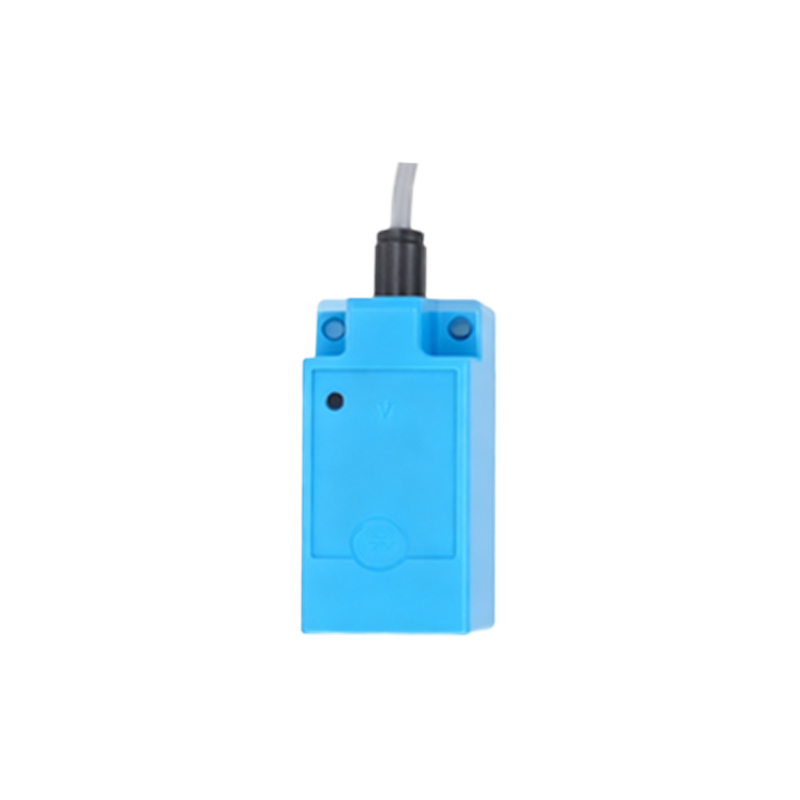
5. IFM Electronic: IFM has built a formidable reputation on ease of use, diagnostic capabilities, and system integration. Their "one-hand mounting" design for certain sensor families is iconic. IFM proximity sensors often feature clear LED indicators for switching state and signal strength, greatly aiding commissioning and troubleshooting. Like others, they offer a full range of inductive and capacitive sensors with robust performance. IFM is an excellent choice for engineers who value intuitive setup, clear diagnostics, and seamless integration into broader control systems.
Choosing the Right Brand: A Decision Framework
Beyond brand reputation, a systematic approach is essential:
Application First: Define the exact need. Is it detecting ferrous metals, all metals, or liquids/plastics? What is the required sensing distance? Will it face oils, coolants, or high-pressure washing?
Performance Specifications: Compare key specs like switching frequency, repeat accuracy, hysteresis, and temperature range. A sensor from a "lesser-known" brand might perfectly match a specific technical need.
Form Factor and Mounting: The physical size and mounting style (e.g., threaded barrel, rectangular, ring-shaped) are often constrained by the machine design.
Supply Chain and Support: Consider local availability, lead times, technical support quality, and the ease of accessing documentation. A perfect sensor is useless if you can't get it or get help when needed.
Total Cost of Ownership: Factor in not just the unit price, but also installation time, maintenance costs, and potential downtime due to failure. A more reliable, slightly more expensive sensor often has a lower lifetime cost.
In conclusion, there is no single "best" brand for all proximity sensor applications. Sick and Pepperl+Fuchs represent the pinnacle of specialized and rugged performance.