Proximity switch sensors represent a cornerstone of modern industrial automation, offering non-contact detection of objects with unparalleled reliability and precision. Unlike mechanical limit switches, these sensors operate without physical contact, eliminating wear and tear and enabling high-speed operation in demanding environments. Their specialized sensing capabilities are engineered to meet specific application challenges across diverse sectors, from automotive manufacturing to food processing and material handling.
The core principle behind proximity sensors is the generation of an electromagnetic field or beam. When a target object enters this field, it causes a detectable change in the sensor's oscillation or signal. This change is processed by the sensor's internal circuitry, triggering a solid-state output signal. The most common types are inductive, capacitive, and magnetic (reed or Hall effect) sensors, each with distinct sensing specialties.
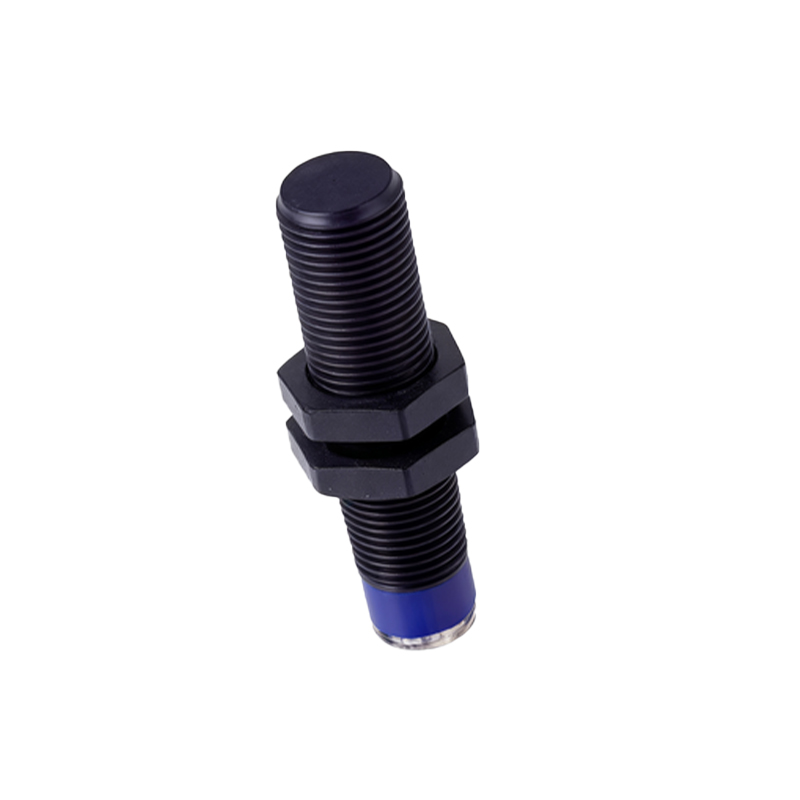
Inductive proximity sensors are the workhorses for metal detection. They generate a high-frequency oscillating electromagnetic field. When a ferrous or non-ferrous metal object enters this field, eddy currents are induced on the object's surface, causing a measurable energy loss in the sensor's oscillation. This loss is detected, and the output switches. Their specialization lies in detecting metals only, making them immune to non-metallic substances like wood, plastic, or liquids. Key performance parameters include sensing distance, which is standardized (e.g., Sn) and typically reduced for non-ferrous metals, frequency response (switching speed), and housing design (cylindrical, rectangular) for harsh industrial conditions involving coolants, oils, and metal chips.
Capacitive proximity sensors, in contrast, can detect both metallic and non-metallic materials—liquids, powders, granules, and plastics. They function by generating an electrostatic field. Any object with a dielectric constant different from air alters the capacitance of the sensor's circuit. This change is evaluated, leading to an output switch. Their specialized sensing is crucial for level detection of liquids or bulk materials, transparent film detection in packaging, and applications where the target is non-conductive. They are often tuned via a sensitivity potentiometer to ignore certain materials (like a container) and sense the material inside.
Magnetic proximity sensors specialize in detecting permanent magnets. Reed switch types use hermetically sealed ferromagnetic reeds that close under the influence of a magnetic field. Hall effect sensors produce a voltage output when exposed to a magnetic field. Their primary application is in position sensing where a magnet is attached to a moving part, such as in cylinder position feedback, door/window status detection, and speed sensing on gear teeth. They are highly reliable in dirty or wet environments where optical sensors might fail.
Specialized sensing extends beyond the basic type. Factors like sensing range, output configuration (NPN/PNP, NO/NC), housing material (stainless steel, PTFE-coated for aggressive chemicals), and connection types (pre-wired, quick-disconnect) are tailored to the application. For instance, all-metal, weld-field immune inductive sensors are designed for robotic welding cells where intense electromagnetic interference is present. High-temperature variants use specialized components to withstand ambient temperatures exceeding 100°C.
Furthermore, analog output proximity sensors provide a continuous signal proportional to the distance to the target, enabling precise positioning and dimension checking, not just presence detection. Ultrasonic proximity sensors, another specialized variant, use sound waves for longer-range detection and are ideal for clear liquid level control or irregularly shaped objects.
The selection of the correct specialized proximity sensor is critical for system performance. Engineers must consider the target material, required sensing distance, environmental conditions (temperature, contaminants), electrical requirements, and installation constraints. A correctly specified sensor ensures maximum uptime, reduces maintenance costs, and enhances the safety and efficiency of automated processes. As Industry 4.0 advances, these sensors are increasingly equipped with IO-Link communication, providing detailed diagnostic data, parameterization capabilities, and seamless integration into smart factory networks, pushing specialized sensing into a new era of intelligence and connectivity.