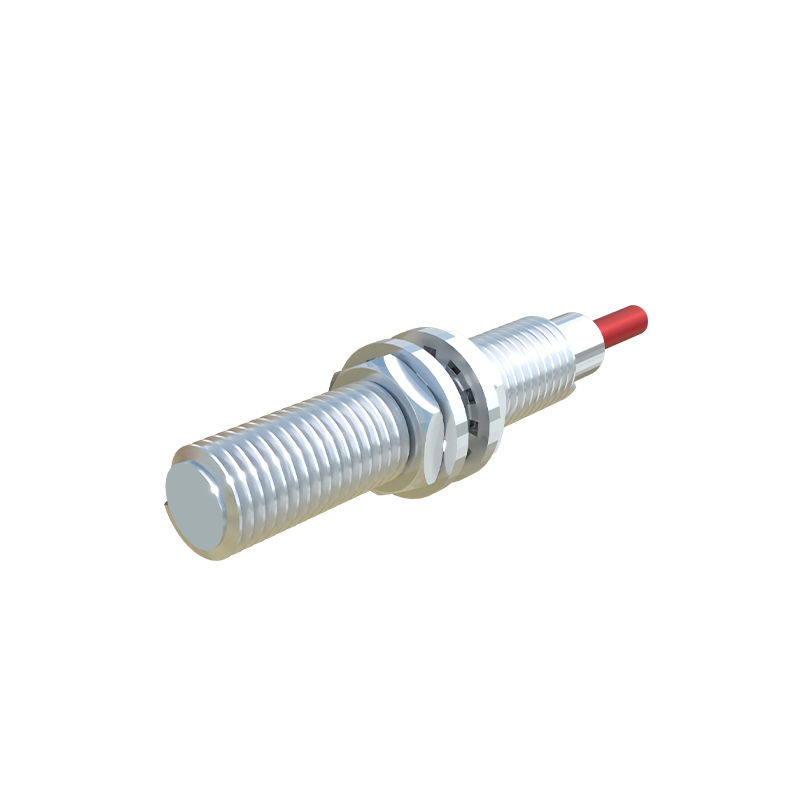
Slot-type proximity switches, also known as through-beam or fork sensors, are fundamental components in industrial automation for precise limit sensing and object detection. Unlike standard cylindrical proximity sensors, these devices feature a U-shaped or "forked" housing with an emitter on one side and a receiver on the other, creating a sensing "slot." An object is detected when it physically interrupts the beam of light (in optical versions) or the electromagnetic field (in inductive versions) passing through this slot. This design offers unique advantages for applications requiring high repeatability, fast response, and immunity to environmental factors like dust or color variation of the target object.
The core operating principle varies by technology. Inductive slot sensors generate a high-frequency electromagnetic field within the slot. When a metallic object enters, it disturbs this field, causing the sensor's oscillator to dampen, which is detected by the subsequent circuitry to trigger a switching output. These are ideal for detecting ferrous and non-ferrous metals at short ranges, typically up to a few centimeters, and are highly robust against contaminants. Photoelectric slot sensors, conversely, use an infrared or laser light beam. The receiver monitors the intensity of the transmitted light. An object breaking the beam causes a drop in received light, triggering the output. Photoelectric types can detect any opaque material—metal, plastic, wood, or glass—and often provide longer sensing ranges than their inductive counterparts.
Key selection criteria for engineers include sensing range, slot width, output type, and environmental rating. The sensing range must accommodate the size of the target object, while the physical slot width determines the maximum object size that can pass through without triggering a false signal. Output configurations are typically either discrete (PNP/NPN transistor or relay) or analog (4-20 mA, 0-10V), interfacing directly with PLCs, motor drives, or counters. For harsh industrial environments, an Ingress Protection (IP) rating of IP67 or higher is standard, ensuring resistance to dust and temporary immersion. Response time, often in the microsecond range, is critical for high-speed production lines, such as in packaging or assembly machinery.
Common applications are vast. In material handling, they count items on conveyors or verify the presence of components. In robotics, they serve as precise limit switches for arm movement or tool positioning. In the printing industry, they detect paper jams or sheet count. In automated assembly, they confirm the correct insertion of parts. Their through-beam design makes them exceptionally reliable for detecting small or fast-moving objects, as the alignment between emitter and receiver is fixed at the factory, eliminating drift and reducing maintenance compared to separate emitter-receiver setups.
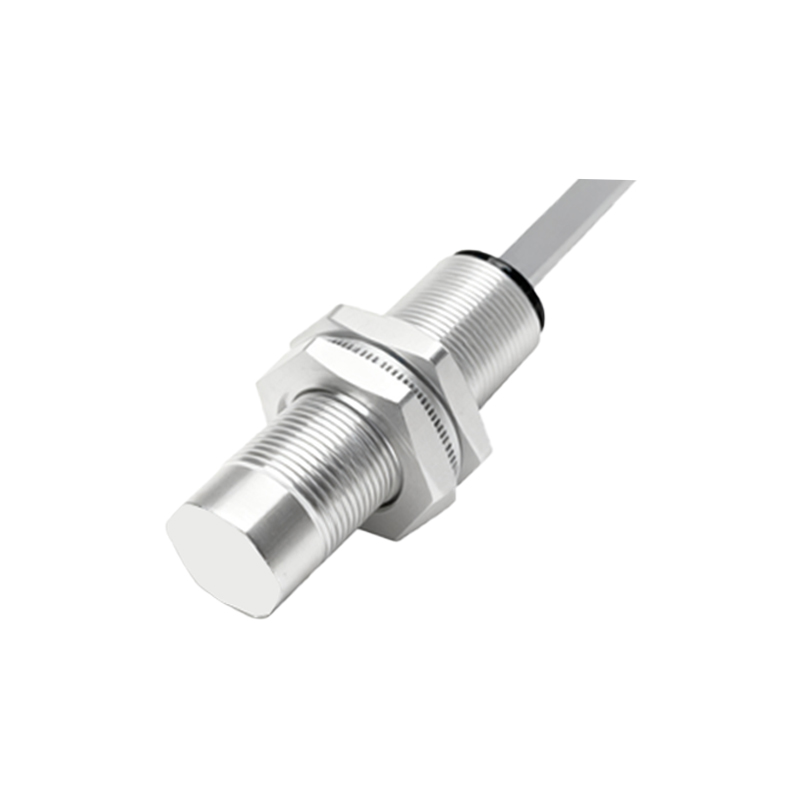
Installation and alignment are straightforward due to the integrated design. However, considerations must be made for mounting stability to prevent vibration from affecting performance, and for ensuring that the target object consistently passes through the center of the slot for optimal detection. Regular maintenance involves cleaning the lens of optical sensors to prevent false triggers from accumulated debris and checking for physical damage to the housing.
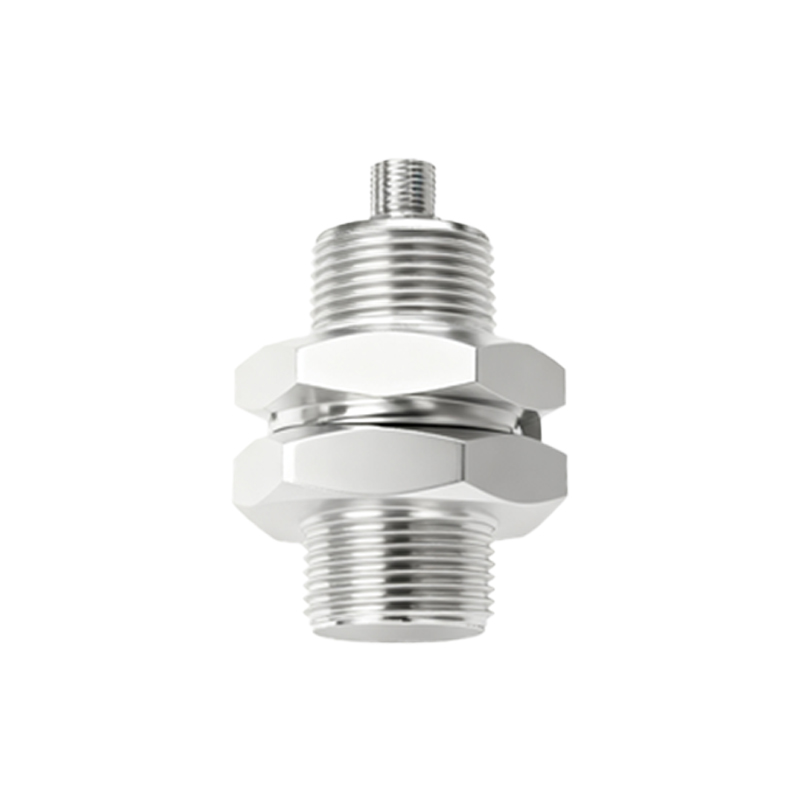
In summary, slot-type proximity switches are indispensable for reliable, non-contact limit sensing. Their enclosed beam path offers superior performance in dirty or demanding conditions. By carefully matching the sensor technology (inductive vs. photoelectric) to the application's material, speed, and environmental requirements, engineers can achieve highly reliable and precise automation control, minimizing downtime and ensuring process integrity.