In the intricate world of industrial automation and machinery, the reliability and precision of sensing components are paramount. Among these critical components, the Proximity Switch Sensor 2.8 stands out as a fundamental device for non-contact detection. This sensor, often characterized by its specific sensing range or model designation, represents a key solution for countless applications requiring accurate, wear-free object detection.
The core principle behind a proximity switch sensor like the 2.8 variant is electromagnetic induction or capacitive sensing. Inductive sensors, the most common type for metallic targets, generate an oscillating electromagnetic field. When a metallic object enters this field, eddy currents are induced within the object, causing a change in the oscillation amplitude. The sensor's internal circuit detects this change and triggers a solid-state switch. This entire process happens without any physical contact, eliminating mechanical wear and ensuring a long operational life. The "2.8" specification typically refers to a key parameter, most commonly the nominal sensing distance, which in this case is 2.8 millimeters. This precise distance is flush-mountable, meaning the sensor can be installed level with a metal surface without losing its sensing capability, a crucial feature for compact designs.
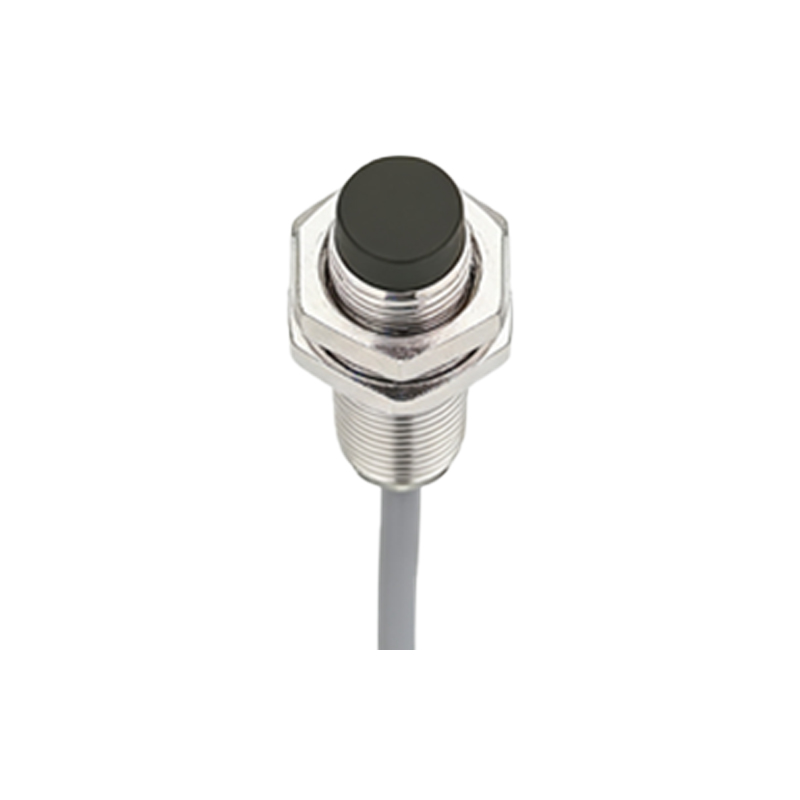
Key features define the performance and utility of the Proximity Switch Sensor 2.8. First is its remarkable reliability. With no moving parts to fail, it offers exceptional durability in harsh environments characterized by dust, oil, or coolant splash. Many models are built to IP67 or higher ingress protection ratings, making them resistant to water and dust. Second is its high switching frequency. These sensors can detect objects at very high speeds, making them suitable for fast-paced production lines, counting applications, and speed monitoring. Third is its precision. The 2.8mm sensing distance is consistent and repeatable, allowing for exact positioning control in automated machinery. Furthermore, these sensors are available in various output configurations, including NPN (sinking), PNP (sourcing), and Normally Open (NO) or Normally Closed (NC) logic, providing flexibility for integration into different control systems, particularly with Programmable Logic Controllers (PLCs).
The application spectrum for a Proximity Switch Sensor 2.8 is vast and crosses multiple industries. In automotive manufacturing, these sensors are indispensable for robotic arm end-effector positioning, verifying the presence of parts on a conveyor, or checking if a door or hood is properly closed in an assembly fixture. Within the packaging industry, they are used for detecting the presence of bottles, cans, or boxes, ensuring proper fill levels and controlling the flow of materials. In metalworking and CNC machinery, they serve as precise limit switches or tool presence detectors, preventing collisions and ensuring operational safety. They are also integral to material handling systems for pallet detection, elevator positioning, and sorting mechanisms.
Selecting and installing the correct Proximity Switch Sensor 2.8 requires attention to several factors. The material of the target object is primary; standard inductive sensors only detect metals, with steel providing the longest sensing range. For non-metallic objects, a capacitive version would be necessary. The mounting conditions are also critical. Ensuring the sensor is flush-mounted correctly, with adequate clearance from surrounding metal (as per manufacturer specifications), prevents false triggering. Electrical compatibility with the control system's voltage (commonly 10-30V DC) and input type must be verified. Finally, environmental factors like temperature extremes, chemical exposure, or strong electromagnetic interference should be considered, potentially necessitating a sensor with specialized housing or shielding.
Maintenance of these sensors is generally minimal due to their solid-state design. However, periodic checks are recommended to ensure the sensing face remains clean from debris, metal chips, or buildup that could attenuate the sensing field. Verifying the mounting integrity and electrical connections can prevent unexpected downtime. Troubleshooting typically involves checking the power supply, the state of the output indicator LED (if present), and using a simple metal target to test basic functionality.
In conclusion, the Proximity Switch Sensor 2.8 is more than just a component; it is a vital enabler of modern automation. Its combination of non-contact operation, precise 2.8mm sensing distance, rugged construction, and fast response makes it a versatile and reliable choice for engineers and system integrators. From ensuring the smooth operation of a high-speed bottling line to guaranteeing the safety of a robotic cell, this sensor plays a silent yet crucial role in enhancing productivity, safety, and efficiency across the industrial landscape. Understanding its operating principles, features, and correct application guidelines is essential for leveraging its full potential in any automated system.