Proximity sensors are indispensable components in modern industrial automation, providing non-contact detection of objects within a defined sensing range. Their reliability and precision hinge not only on selecting the correct sensor type (inductive, capacitive, ultrasonic, or photoelectric) but also on the proper installation method. The installation approach directly impacts the sensor's performance, sensing distance, immunity to environmental interference, and long-term durability. Understanding the various installation types is crucial for system integrators and maintenance engineers to ensure optimal machine functionality and minimize downtime.
The first and most common category is Flush Mounting (also known as embeddable mounting). In this method, the sensor is installed into a machined hole in a metal bracket or machine frame, such that the sensing face is flush with or slightly recessed from the mounting surface. This installation type is predominantly used for shielded or embeddable inductive proximity sensors. The primary advantage is excellent protection for the sensor body against mechanical damage from side impacts or flying debris. Furthermore, the metal surrounding the sensor creates a natural shield, significantly reducing the effects of electromagnetic interference from nearby motors or cables. A critical consideration is the required clearance around the sensor body within the mounting hole to prevent short-circuiting effects on the sensing field. Typically, manufacturers specify a small annular clearance (e.g., 1-2 mm) that must be maintained. The effective sensing range (Sn) is reduced in flush mounting compared to other methods, but the trade-off is enhanced robustness and stability in harsh industrial environments like machining centers or material handling systems.
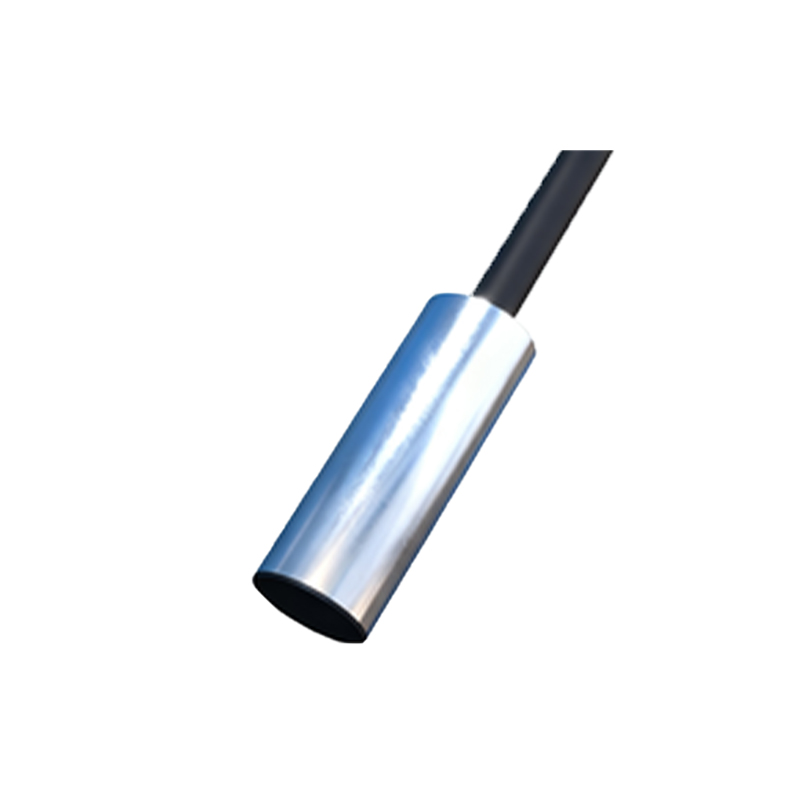
In contrast, Non-Flush Mounting (or non-embedable mounting) involves installing the sensor so that its sensing face protrudes from the mounting surface. This method is used for both non-shielded inductive sensors and many other types like capacitive or ultrasonic sensors. The key benefit is a significantly longer sensing range. For an inductive sensor, the nominal range can be up to twice that of the same sensor in a flush-mounted configuration. This allows for greater flexibility in positioning and the detection of objects from a safer distance. However, this exposed position makes the sensor head vulnerable to physical damage. Therefore, non-flush mounting is recommended in cleaner, more controlled environments or where the extended range is an absolute necessity. Additional protective measures, such as mounting the sensor in a recessed well or adding a protective collar, are often employed to mitigate the risk of impact.
A specialized installation variant is Adjustable Mounting. This employs mounting accessories like adjustable brackets or swivel mounts that allow for fine-tuning of the sensor's position and angle after initial installation. This is invaluable during commissioning and alignment phases, especially for photoelectric sensors where the light beam must be precisely aligned with a reflector or the target object. It also facilitates easy maintenance and repositioning without requiring complete re-mounting. Adjustable mounting solutions save considerable time during setup and adjustment, enhancing overall system flexibility.
For applications requiring sensing from the side of an object or in confined spaces, Side-Sensing Mounting is utilized. Some proximity sensors are designed with a sensing field that emerges from the side of the cylindrical body rather than the front. These are installed parallel to the direction of target travel. A common application is detecting the teeth of a gear or the tabs on a rotating shaft for speed monitoring. The installation must ensure the correct lateral gap between the sensor and the target is maintained for reliable detection.
Finally, the Mounting Hardware and Environment constitute a critical, though often overlooked, aspect of installation. This includes the use of standard or proprietary mounting nuts, locknuts, and brackets. Proper tightening torque is essential to prevent the sensor from loosening due to vibration while avoiding damage to the housing. Environmental factors dictate the choice of sensor housing material (e.g., stainless steel for washdown areas, PBT plastic for chemical exposure) and the integrity of cable entries or connectors. In high-vibration environments, sensors with robust, vibration-resistant mounts or integral strain relief on the cable are mandatory. For all installation types, ensuring a stable power supply with proper filtering and adhering to cable routing guidelines (away from high-power lines) are fundamental to avoiding erratic operation.
In summary, the selection of a proximity sensor installation type—flush, non-flush, adjustable, or side-sensing—is a deliberate engineering decision based on the required sensing distance, the physical constraints of the application, the ambient environmental conditions, and the need for mechanical protection. A correctly installed sensor is the foundation for achieving the promised repeatability, accuracy, and service life, thereby safeguarding the efficiency and reliability of the entire automated system.