Micro proximity switch sensors are essential components in modern automation and control systems, offering precise non-contact detection of objects. These compact devices are designed to operate in confined spaces while maintaining high reliability and durability. As an electrical engineer, selecting the appropriate model is crucial for optimizing system performance. This article delves into the key aspects of micro proximity switch sensor models, covering their types, specifications, applications, and selection criteria.
Firstly, micro proximity switches are categorized based on their sensing technology. Inductive sensors detect metallic objects using electromagnetic fields, making them ideal for industrial machinery. Capacitive sensors can sense both metallic and non-metallic materials by measuring changes in capacitance, suitable for liquid level detection or plastic part recognition. Photoelectric sensors utilize light beams to detect objects, offering long-range capabilities but requiring clear optical paths. Each type has distinct advantages; for instance, inductive models excel in harsh environments with dust or moisture, while capacitive versions provide versatility for varied materials.
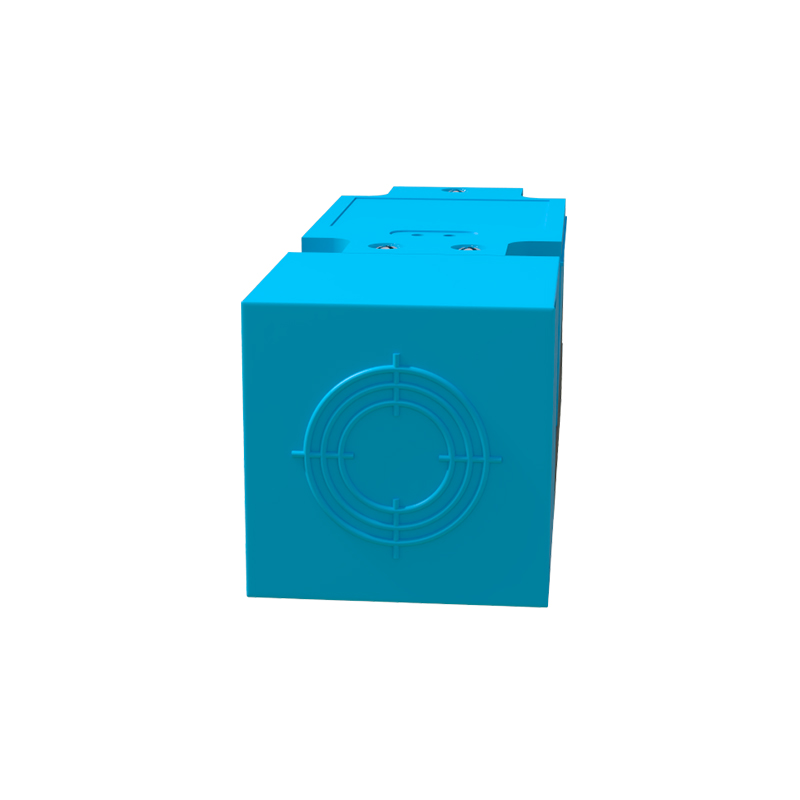
When evaluating models, engineers must consider critical specifications. Sensing distance, typically ranging from 1mm to 20mm for micro switches, determines how close an object must be for detection. Response time, often measured in milliseconds, affects system speed and efficiency. Housing material, such as stainless steel or PBT plastic, influences resistance to corrosion and mechanical stress. Additionally, output configurations—including NPN, PNP, or analog signals—must align with the control system’s requirements. For example, a model with a 5mm sensing distance and PNP output might be chosen for a high-speed assembly line handling metal components.
Applications of micro proximity switches span diverse industries. In automotive manufacturing, they ensure precise positioning of parts on conveyor belts. In packaging machinery, they detect product presence to trigger sealing operations. Robotics relies on these sensors for accurate end-effector positioning, while medical devices use them for safety interlocks. A case study in electronics assembly highlights how a capacitive micro switch improved efficiency by detecting non-metallic circuit boards without physical contact, reducing wear and maintenance costs.
Selecting the right model involves balancing technical needs with environmental factors. Engineers should assess operating temperature ranges, ingress protection (IP) ratings for dust and water resistance, and electrical noise immunity. For instance, in a food processing plant, a model with an IP67 rating and FDA-approved materials would be necessary to withstand washdowns and ensure hygiene. Cost considerations also play a role, but prioritizing quality and compatibility often leads to long-term savings by minimizing downtime.
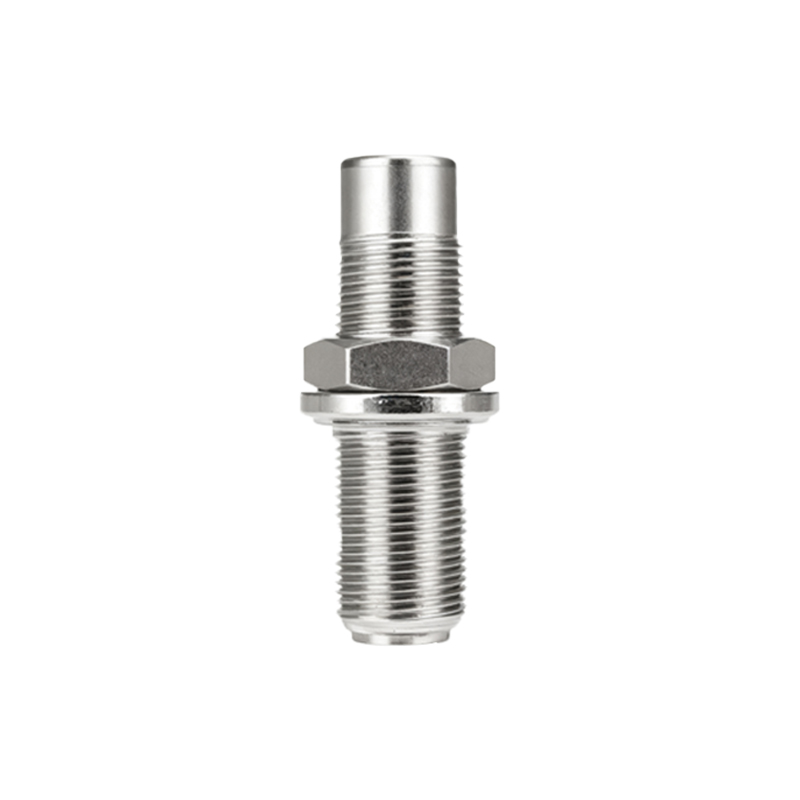
Innovations in micro proximity switch technology continue to emerge. Recent developments include IO-Link connectivity for smart factory integration, allowing real-time data monitoring and diagnostics. Miniaturization trends have led to ultra-compact designs without sacrificing performance, enabling use in wearable devices or micro-robotics. Engineers are advised to stay updated with industry standards, such as IEC 60947-5-2, to ensure compliance and safety.
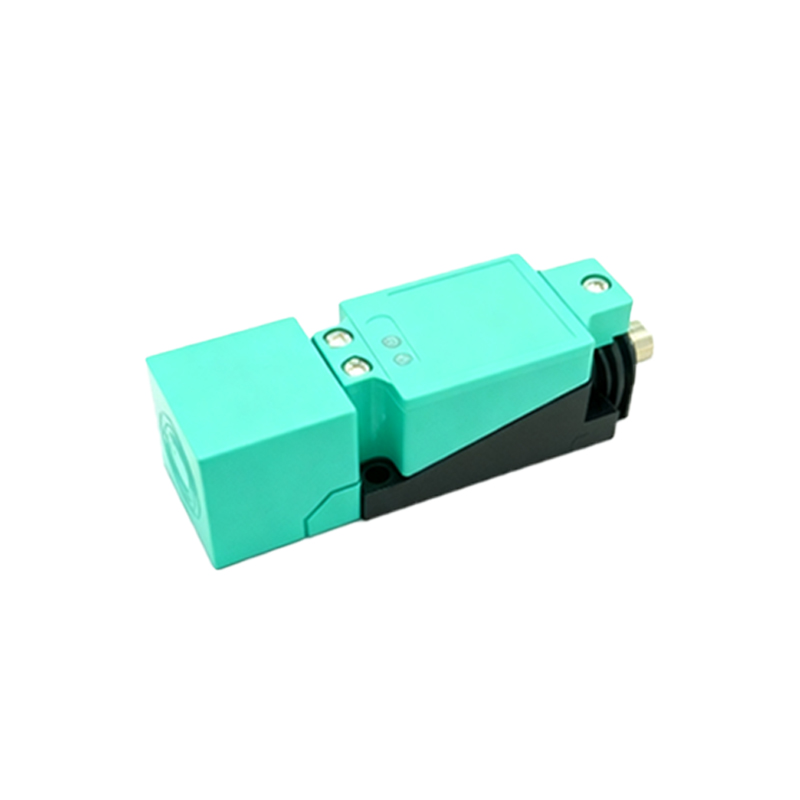
In conclusion, micro proximity switch sensors are vital for efficient automation. By understanding model variations, specifications, and application contexts, electrical engineers can make informed decisions that enhance system reliability and productivity. Always consult manufacturer datasheets and conduct field tests to validate sensor performance in specific scenarios.