In the realm of industrial automation and control, the selection of appropriate sensing technology is paramount for ensuring efficiency, safety, and reliability. Two prevalent and often compared technologies are infrared (IR) sensors and proximity switches. While both serve the fundamental purpose of object detection, their operational principles, performance characteristics, and ideal applications differ significantly. This article provides a detailed technical comparison to guide engineers and system integrators in making informed decisions.
Infrared sensors operate based on the emission and reception of infrared light. An IR sensor typically consists of an IR LED transmitter and a photodiode or phototransistor receiver. The basic principle involves the transmitter emitting a beam of infrared light. When this beam encounters an object, it may be reflected back to the receiver (in a reflective or diffuse mode) or interrupted (in a through-beam mode). The receiver detects the change in the received IR radiation, triggering an output signal. Key performance metrics for IR sensors include sensing range, which can vary from a few centimeters to several meters, and their sensitivity to environmental factors. A significant advantage is their ability to detect a wide variety of materials, regardless of color or metallic properties, as long as the object affects the IR beam. However, IR sensors can be susceptible to interference from ambient light, particularly sunlight which contains IR spectrum, and can be affected by dust, smoke, or fog that scatters the light beam. They are commonly used in applications like object counting on conveyor belts, level detection, and touchless interfaces.
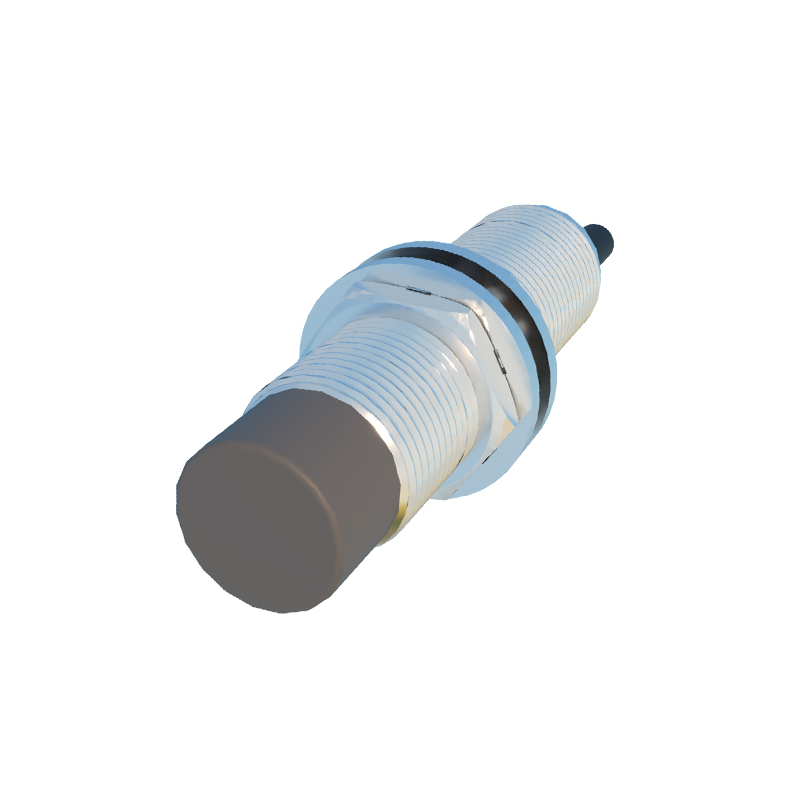
Proximity switches, specifically inductive and capacitive types, function on a different principle. Inductive proximity switches are the most common in industrial settings for detecting metallic objects. They generate an electromagnetic oscillating field from a coil in the sensor head. When a metallic object enters this field, it induces eddy currents within the object, which dampens the oscillation of the sensor's circuit. This damping effect is detected, causing the sensor to switch its output state. Their sensing range is typically shorter than many IR sensors and is highly dependent on the target metal's properties (e.g., steel is detected at a greater range than aluminum). A major strength is their robustness; they are virtually immune to environmental factors like dust, dirt, oil, and ambient light. Capacitive proximity switches, on the other hand, can detect both metallic and non-metallic materials (plastics, wood, liquids) by sensing changes in capacitance caused by the target object entering an electrostatic field. Proximity switches excel in harsh environments, such as machine tooling, automotive assembly lines, and material handling with metallic components, where reliability under dirty conditions is critical.
The choice between an IR sensor and a proximity switch hinges on several application-specific parameters. First, consider the target material. For non-metallic objects, an IR sensor or a capacitive proximity switch is necessary. For metallic targets in dirty environments, an inductive proximity switch is often superior. Second, evaluate the required sensing distance. For longer ranges, IR sensors, especially through-beam types, are typically the solution. For short-range, high-precision detection of metals, inductive sensors are ideal. Third, assess the environmental conditions. Presence of heavy contaminants (oil, chips) favors sealed proximity switches. High levels of ambient IR light may necessitate modulated IR sensors with filters to reject background interference. Fourth, consider response speed and output requirements. Both technologies offer fast response times suitable for high-speed counting, though specific models should be checked. Finally, installation and alignment are factors. Through-beam IR sensors require precise alignment of separate transmitter and receiver units, which can be challenging. Reflective IR sensors and proximity switches are self-contained, simplifying installation.
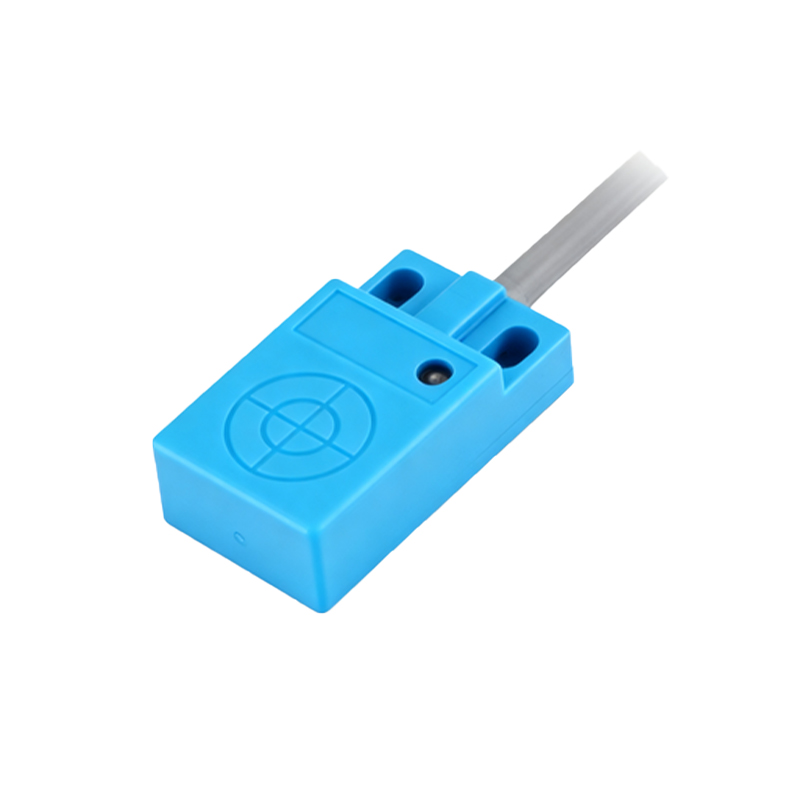
In conclusion, neither infrared sensors nor proximity switches are universally better; they are tools optimized for different tasks. Infrared sensors offer versatility in material detection and longer ranges but demand a cleaner optical path. Inductive proximity switches provide unparalleled reliability for metal detection in challenging industrial environments. A thorough analysis of the target object, environmental conditions, and performance requirements is essential. Often, the optimal system design may incorporate both technologies, leveraging their respective strengths to create a robust and efficient automated solution. As technology advances, hybrid sensors and smarter units with IO-Link communication are blurring the lines, offering enhanced diagnostics and parameter configurability, further empowering the modern engineer.