Fiber optic proximity switch sensors are advanced sensing devices widely utilized across various industrial sectors for non-contact detection and measurement. These sensors operate by transmitting light through optical fibers to a target object and then receiving the reflected or interrupted light signal. The core principle involves detecting changes in light intensity, phase, or wavelength to determine the presence, absence, or position of an object. Unlike traditional inductive or capacitive sensors, fiber optic sensors are immune to electromagnetic interference (EMI), making them ideal for harsh environments with high electrical noise, such as welding stations, high-voltage equipment, or areas with strong radio frequency interference.
One of the primary applications of fiber optic proximity sensors is detecting small or delicate objects. For instance, in electronics manufacturing, they can identify tiny components like microchips or connectors without physical contact, preventing damage. In the automotive industry, these sensors monitor the position of assembly parts, such as ensuring brake pads are correctly aligned. Additionally, they excel in detecting transparent or reflective materials—like glass, plastic films, or polished metals—which often challenge conventional sensors due to light transmission or reflection issues. By adjusting sensitivity or using specialized fiber tips, they can reliably sense such materials.
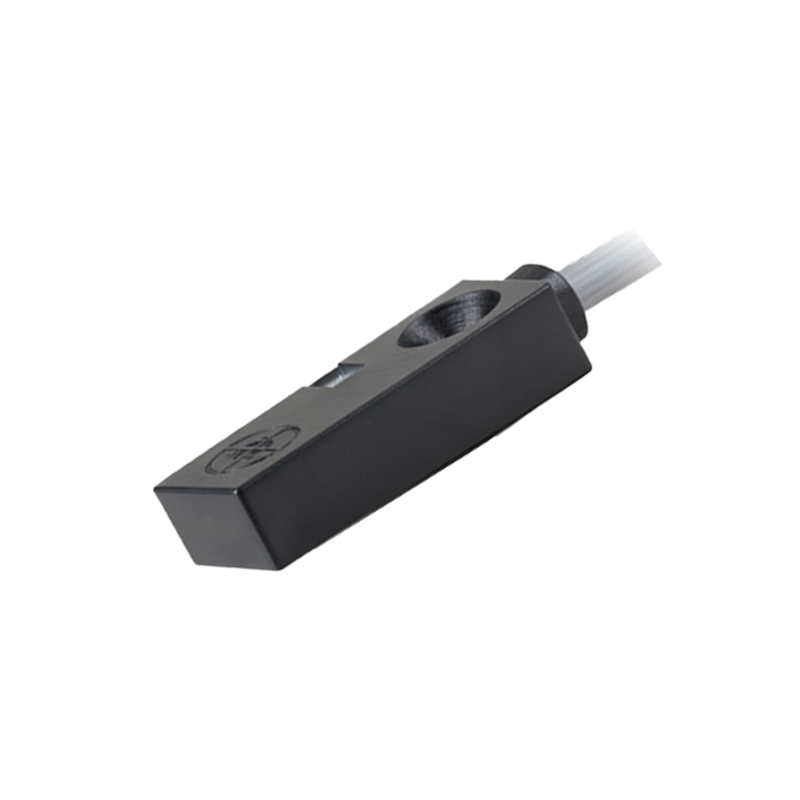
Another key detection capability involves harsh or hazardous conditions. Fiber optic sensors are inherently safe in explosive atmospheres because they do not generate sparks or heat. In chemical plants, they detect liquid levels in tanks containing corrosive substances, as the fibers are resistant to chemical damage. Similarly, in high-temperature settings like metal forging or glass production, they can operate near heat sources without degradation, unlike electronic sensors that may fail. Their small size and flexibility allow installation in confined spaces, such as inside machinery or along conveyor belts, to monitor object passage or jams.
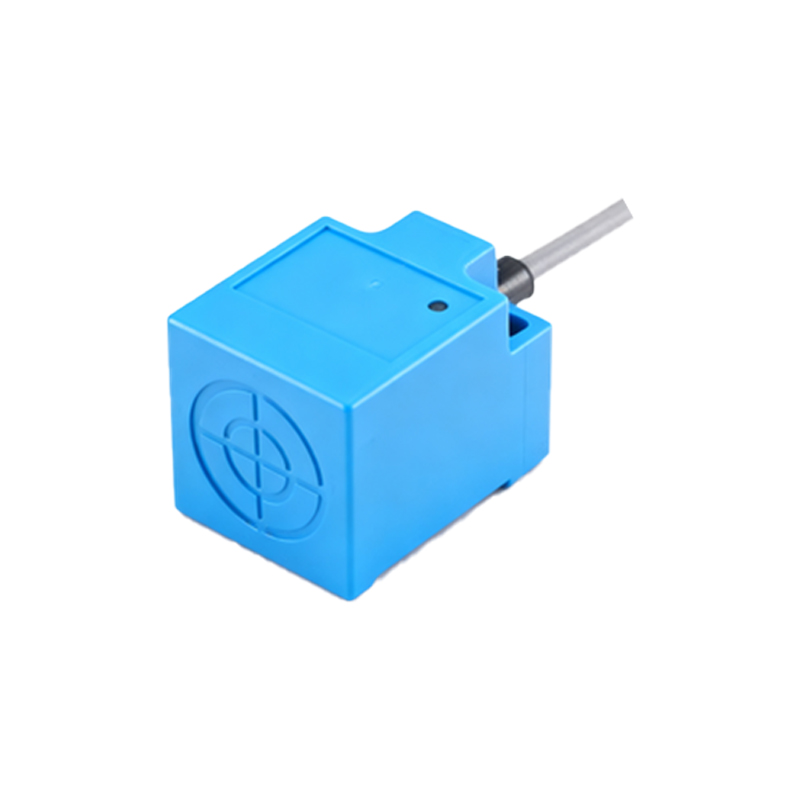
Fiber optic proximity switches also enable precise distance measurement. Using techniques like time-of-flight or triangulation, they can gauge the distance to a target with micron-level accuracy. This is crucial in semiconductor fabrication, where wafer positioning requires sub-micron precision. In packaging lines, they verify fill levels in containers by detecting the height of contents. Moreover, they support color detection by analyzing reflected light spectra, useful in sorting applications—for example, distinguishing between colored pills in pharmaceuticals or recycling different plastic types.
The working mechanism typically involves a transmitter fiber that emits light and a receiver fiber that captures the return signal. When an object enters the sensing range, it alters the light path, triggering a switch output (e.g., ON/OFF signal). Some sensors use bifurcated fibers for compact design, while others employ separate units for enhanced range. Advanced versions integrate photoelectric principles, allowing them to detect minute changes, such as surface defects or vibrations. Maintenance is minimal due to the lack of moving parts, but regular cleaning of fiber ends is recommended to prevent dust accumulation from affecting performance.
In summary, fiber optic proximity switch sensors detect a wide array of targets: from solid objects and transparent materials to liquids and hazardous substances. Their versatility stems from immunity to EMI, durability in extreme conditions, and high precision. Industries like manufacturing, automotive, pharmaceuticals, and energy rely on them for automation, quality control, and safety. As technology evolves, these sensors are becoming smarter with IoT integration, enabling real-time monitoring and predictive maintenance. For engineers, selecting the right sensor involves considering factors like sensing distance, target material, environmental resilience, and output requirements to optimize system efficiency.