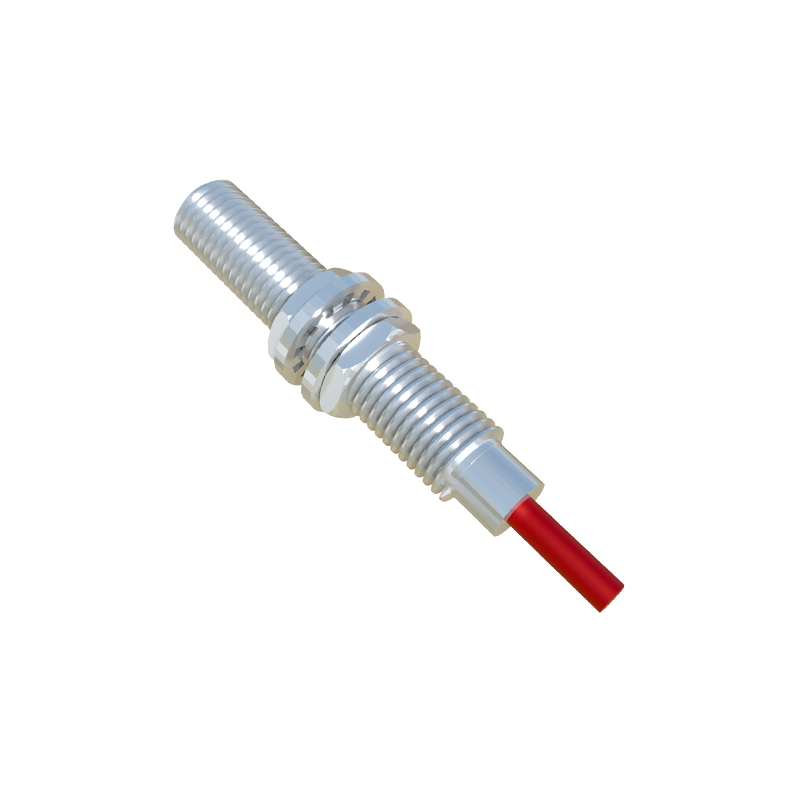
Choosing the right proximity sensor installation contractor is a critical decision that directly impacts the efficiency, safety, and reliability of industrial automation systems. Proximity sensors, as non-contact detection devices, are fundamental components in modern manufacturing, material handling, and process control. Their correct installation, calibration, and integration are not mere tasks but specialized engineering practices requiring deep technical expertise. A qualified contractor bridges the gap between sensor specifications and real-world performance, ensuring that these components function optimally within complex control networks.
The selection process must begin with a thorough evaluation of the contractor's technical proficiency. An ideal contractor possesses certified engineers and technicians with demonstrable experience in industrial sensor applications. Look for a team that understands not just the mechanical mounting of inductive, capacitive, or ultrasonic sensors, but also their electrical integration into Programmable Logic Controller (PLC) systems, Distributed Control Systems (DCS), and safety circuits. They should be adept at reading and interpreting electrical schematics, loop diagrams, and plant layout drawings. Furthermore, expertise in environmental considerations is paramount. A proficient contractor will assess factors like temperature extremes, humidity, vibration, electromagnetic interference (EMI), and the presence of conductive or non-conductive target materials to recommend the correct sensor type and mounting solution.
Project management capability is the second pillar of a reliable contractor. Industrial installations are often part of larger shutdowns or production line upgrades, where timelines are strict and delays are costly. A professional contractor provides a clear project plan encompassing site survey, sensor selection, installation, wiring, calibration, documentation, and final commissioning. They should employ standardized procedures, such as those aligned with ISA or IEC standards, to ensure consistency and quality. Effective communication is a key component of project management; the contractor must maintain transparent dialogue with the plant's engineering and maintenance teams, providing regular updates and promptly addressing any unforeseen challenges that arise on the shop floor.
Safety compliance and certification are non-negotiable criteria. The contractor must have an impeccable safety record and adhere strictly to national and international standards like OSHA, NFPA 70E (for electrical safety), and IEC 61508/61511 for functional safety when sensors are part of Safety Instrumented Systems (SIS). Their personnel should be trained in Hazardous Area classifications (e.g., NEC Class/Division or ATEX/IECEx Zone systems) if working in environments with flammable gases or dust. Request documentation of their safety protocols, insurance coverage, and relevant industry certifications. A contractor who prioritizes safety minimizes risk for both personnel and assets, protecting your operation from potential hazards and regulatory non-compliance.
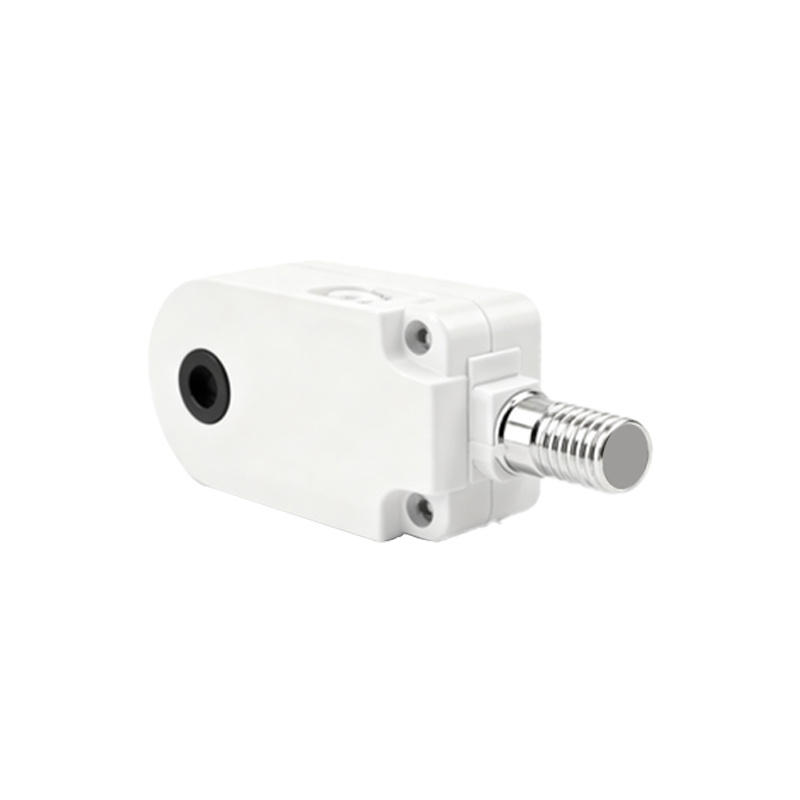
Finally, consider the contractor's commitment to post-installation support. The relationship should not end at commissioning. A valuable partner offers comprehensive documentation, including as-built drawings, calibration reports, and maintenance manuals. They should provide training for your in-house maintenance staff on troubleshooting and basic recalibration. Availability for emergency support and scheduled preventive maintenance contracts are indicators of a contractor invested in the long-term performance of your system. This ongoing support ensures maximum uptime and extends the lifecycle of your sensor investment.
In conclusion, selecting a proximity sensor installation contractor requires a multifaceted evaluation beyond simple cost comparison. Prioritize technical depth, structured project execution, unwavering safety standards, and reliable post-installation service. Investing time in this selection process secures a partnership that enhances operational reliability, ensures personnel safety, and delivers a strong return on investment through optimized sensor performance and reduced downtime. The right contractor acts as a force multiplier, turning sophisticated sensor technology into tangible, reliable industrial outcomes.