Rectangular proximity sensors, also known as rectangular inductive proximity switches, are essential components in modern industrial automation systems. Their unique design and functional characteristics make them highly suitable for a wide range of applications, from manufacturing assembly lines to robotic systems. Unlike cylindrical sensors, rectangular sensors offer distinct advantages in terms of mounting flexibility, sensing range, and environmental adaptability.
One of the primary features of rectangular proximity sensors is their compact and space-efficient design. The rectangular housing allows for easier integration into machinery with limited installation space. This shape enables flush or non-flush mounting options, providing versatility in various industrial setups. The flat surface of the sensor can be positioned close to metal objects without compromising performance, making it ideal for detecting small or thin targets. Additionally, the housing is typically constructed from durable materials such as nickel-plated brass or stainless steel, ensuring resistance to mechanical stress, vibrations, and harsh conditions.
In terms of sensing capabilities, rectangular proximity sensors excel in detecting ferrous and non-ferrous metals with high precision. They operate on the principle of electromagnetic induction, where an oscillating circuit generates a magnetic field. When a metal object enters this field, eddy currents are induced, causing a change in oscillation amplitude. This change is detected by the sensor, triggering an output signal. The sensing range varies depending on the sensor model, but rectangular designs often provide consistent detection distances, even in challenging environments. Some advanced models feature adjustable sensing ranges or embedded diagnostics, allowing for real-time monitoring and calibration.
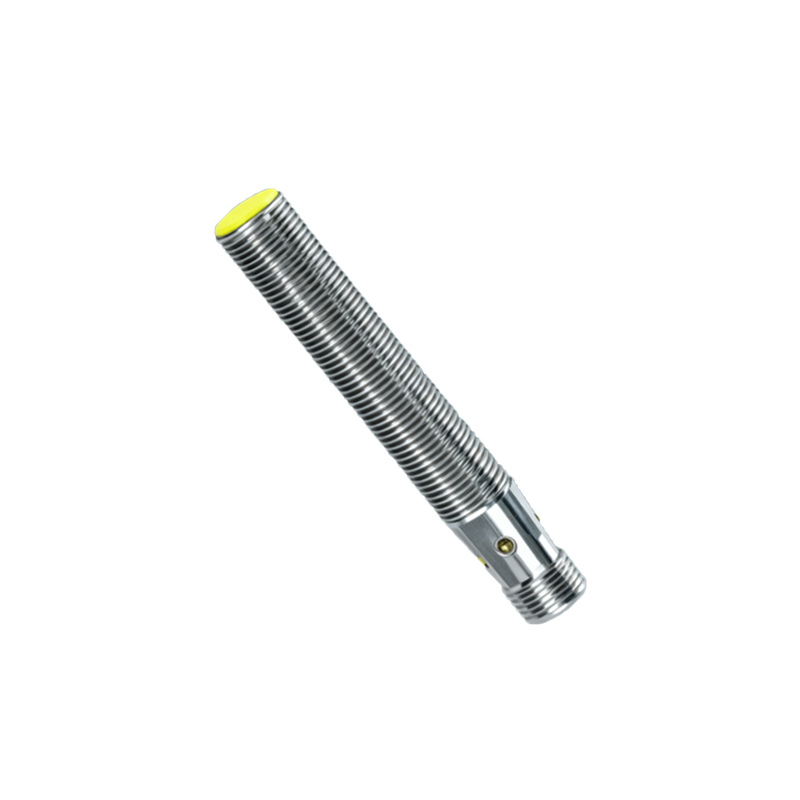
Another key characteristic is the sensor's output configuration. Rectangular proximity sensors are available in both analog and digital output types, including PNP (sourcing) and NPN (sinking) transistor outputs. This flexibility enables compatibility with different control systems, such as PLCs (Programmable Logic Controllers) and microcontrollers. Many sensors also offer short-circuit and overload protection, enhancing reliability in high-voltage industrial circuits. The response time is typically fast, ranging from microseconds to milliseconds, which is crucial for high-speed automation processes where timing accuracy is critical.
Environmental durability is a standout feature of rectangular proximity sensors. They are often rated with high IP (Ingress Protection) grades, such as IP67 or IP69K, indicating resistance to dust, water, and chemical exposure. This makes them suitable for use in washdown areas, outdoor installations, or industries like food processing and pharmaceuticals, where hygiene and cleanliness are paramount. Temperature tolerance is another factor, with many sensors operating reliably in ranges from -25°C to +70°C, ensuring stability in extreme climates.
Installation and maintenance simplicity further contribute to their popularity. Rectangular sensors usually come with pre-drilled mounting holes or slots, facilitating easy attachment to machinery. LED indicators are commonly integrated to display power status and detection signals, aiding in troubleshooting. Some models feature teach-in functions or potentiometers for on-site sensitivity adjustments, reducing downtime during setup. Additionally, the sensors are designed for long service life, with no moving parts that could wear out, minimizing the need for frequent replacements.
In summary, rectangular proximity sensors combine robust construction, precise detection, and adaptability to meet diverse industrial demands. Their design optimizes space utilization while delivering reliable performance in demanding applications. As automation technology evolves, these sensors continue to integrate smart features like IO-Link communication, enabling data exchange for predictive maintenance and Industry 4.0 initiatives. For engineers and system designers, understanding these features is key to selecting the right sensor for enhancing efficiency, safety, and productivity in automated systems.