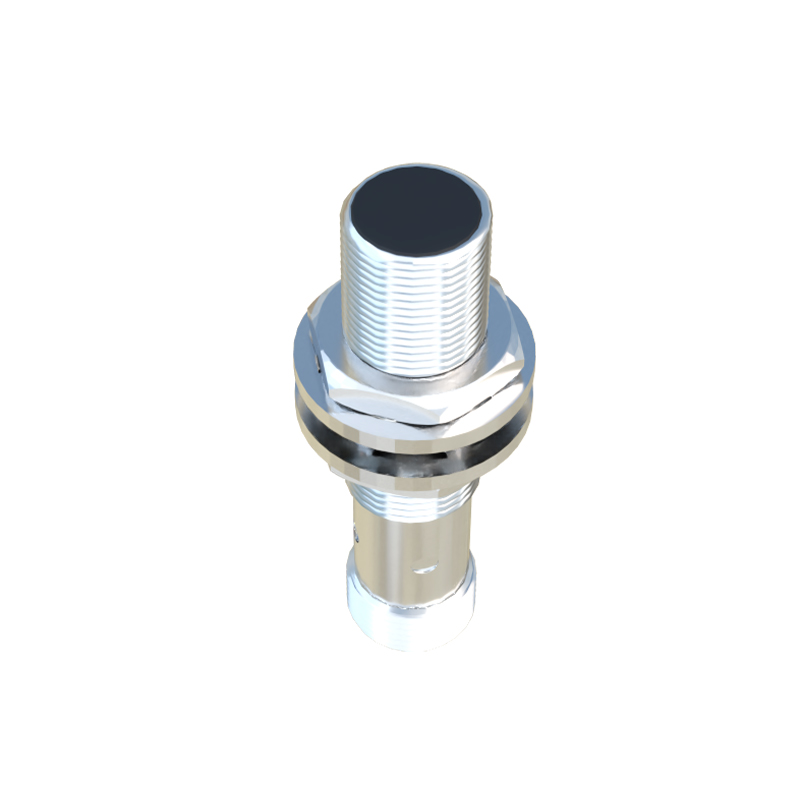
In the realm of industrial automation and control systems, proximity sensors stand as indispensable components for non-contact object detection. Among the diverse array of proximity sensors available, the T-type proximity switch sensor has carved out a significant niche due to its unique design and reliable performance. This article delves into the operational principles, key features, typical applications, and critical selection criteria for T-type proximity sensors, providing a comprehensive overview for engineers and technicians.
Fundamentally, a T-type proximity sensor is an inductive sensor designed to detect the presence of metallic objects without any physical contact. The "T-type" designation often refers to a specific form factor or housing style, typically characterized by a compact, rectangular or cylindrical body with integrated threads for easy mounting. The core operating principle relies on electromagnetic induction. The sensor generates a high-frequency oscillating electromagnetic field from its active face. When a metallic target enters this field, eddy currents are induced within the target. These eddy currents cause a load on the oscillator, leading to a change in the oscillation amplitude. This change is detected by the sensor's circuitry, which subsequently triggers a solid-state output switch (typically PNP or NPN). This entire process ensures rapid, wear-free detection.
The defining characteristics of T-type proximity sensors contribute to their widespread adoption. First and foremost is their non-contact operation, which eliminates mechanical wear and tear, ensuring a long operational lifespan even in high-cycle applications. They offer high switching frequency and fast response times, making them suitable for high-speed production lines and counting applications. Many models are built with robust housings, often from nickel-plated brass or stainless steel, providing excellent resistance to vibration, shock, and harsh industrial environments including exposure to coolants, oils, and dust. Furthermore, they are available in both shielded (flush-mountable) and unshielded (non-flush-mountable) variants. Shielded T-type sensors can be mounted flush in metal without affecting their sensing field, offering design flexibility.
The application spectrum for T-type inductive proximity sensors is vast. They are routinely employed in machine tools for tool positioning, spindle orientation, and end-of-travel limit detection. In material handling and packaging machinery, they are used for part presence verification, conveyor line jam detection, and precise positioning of components. Automotive assembly lines utilize them for robotic arm positioning and verifying the placement of metal parts. They are also integral in automated storage and retrieval systems (AS/RS) for pallet detection and in metal fabrication for detecting sheet metal edges or counting metal blanks.
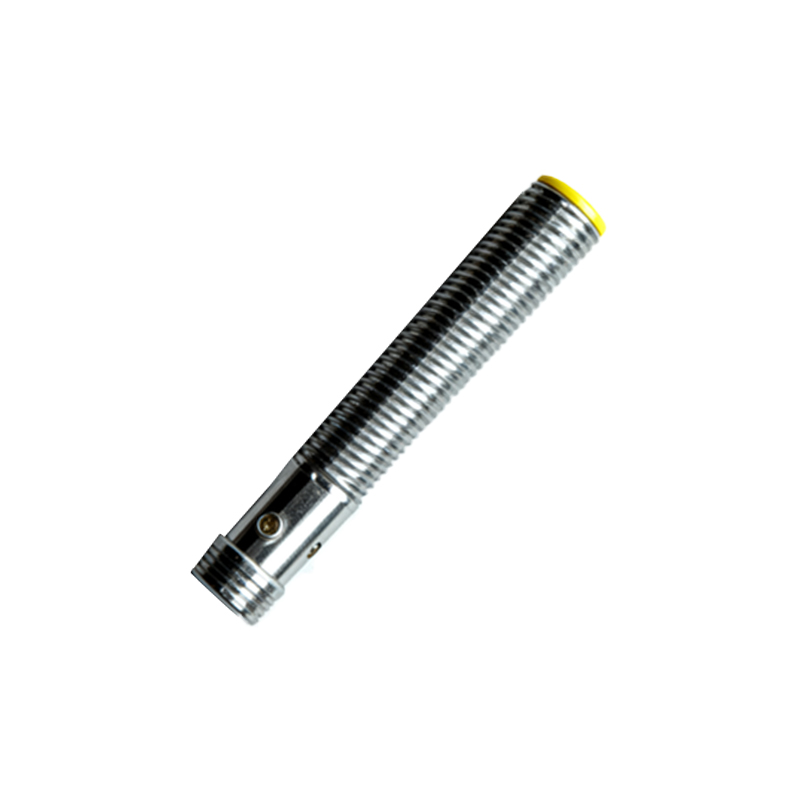
Selecting the appropriate T-type proximity sensor requires careful consideration of several parameters. The sensing distance, or nominal range, is paramount and must be chosen based on the target size and required installation clearance. It is crucial to note that the sensing distance can vary with different target materials (e.g., steel, aluminum, copper). The housing size and thread specification (e.g., M8, M12, M18, M30) must match the mounting requirements. The output configuration—whether PNP (sourcing) or NPN (sinking)—must be compatible with the controller's input module (PLC). Other vital specifications include the supply voltage range (commonly 10-30V DC), output current rating, switching frequency, and environmental ratings such as IP67 or IP69K for protection against liquids and solids. For applications involving different target materials, a correction factor must be applied to the rated sensing distance.
Installation and wiring practices significantly impact sensor performance. Ensuring a stable power supply with proper filtering is essential to avoid electrical noise interference. Maintaining the recommended lateral and axial distance between multiple sensors prevents mutual interference. For shielded sensors, the surrounding metal should not extend beyond the active sensing face. Regular maintenance, though minimal, involves keeping the sensing face clean from metallic debris, dirt, or buildup that could cause false triggering or reduced sensing range.
In conclusion, the T-type proximity switch sensor represents a robust, versatile, and highly reliable solution for metallic object detection in demanding industrial environments. Its blend of durability, precision, and ease of integration makes it a cornerstone of modern automation. By thoroughly understanding its operating principles and meticulously matching its specifications to the application's needs, engineers can ensure optimal system performance, enhanced safety, and improved operational efficiency. As automation continues to evolve, the role of such fundamental sensing technology remains as critical as ever.