In the realm of industrial automation, precision, reliability, and durability are non-negotiable. The E2E2 series long-size proximity sensors stand out as a critical component engineered to meet these rigorous demands. These sensors are specifically designed for applications where standard-sized sensors fall short, offering extended sensing ranges and robust construction suitable for challenging environments. This article delves into the technical specifications, operational principles, and key application areas of the E2E2 series, providing insights for engineers and procurement specialists seeking optimal sensing solutions.
The E2E2 series belongs to the family of inductive proximity sensors, which operate on the principle of electromagnetic induction. A high-frequency oscillating circuit generates an electromagnetic field from the sensor's active face. When a metallic target enters this field, eddy currents are induced within the target, causing a change in the oscillation amplitude. This change is detected by the sensor's circuitry, which subsequently triggers a solid-state output switch. The "long-size" designation refers to the elongated cylindrical housing, which allows for a larger coil and core assembly. This architectural advantage directly translates into a significantly longer sensing distance compared to standard barrel sensors of the same diameter. For instance, an E2E2 sensor with an 18mm diameter can achieve sensing ranges that are often 1.5 to 2 times greater than a conventional M18 sensor, enabling more flexible installation and detection of objects from a safer, more convenient distance.
Key technical features define the performance envelope of the E2E2 series. First is the extended sensing range, a primary benefit for applications involving large machinery or where sensor mounting positions are restricted. The sensors are typically available in both shielded (flush-mountable) and unshielded (non-flush) versions. Shielded models can be embedded in metal without affecting their sensing characteristics, while unshielded types offer even longer ranges but require clearance from surrounding metal. Construction is another highlight; these sensors are housed in robust, nickel-plated brass or stainless-steel barrels, providing exceptional resistance to mechanical impact, vibration, and harsh industrial chemicals. Many models comply with IP67 and IP69K ingress protection ratings, making them suitable for washdown environments in food and beverage or pharmaceutical manufacturing. The electrical output is usually in the form of a DC 3-wire configuration (PNP or NPN, normally open or normally closed), ensuring compatibility with standard PLCs and control systems. Operating voltage ranges are broad, commonly from 10-30 VDC, with short-circuit and reverse polarity protection built-in for enhanced reliability.
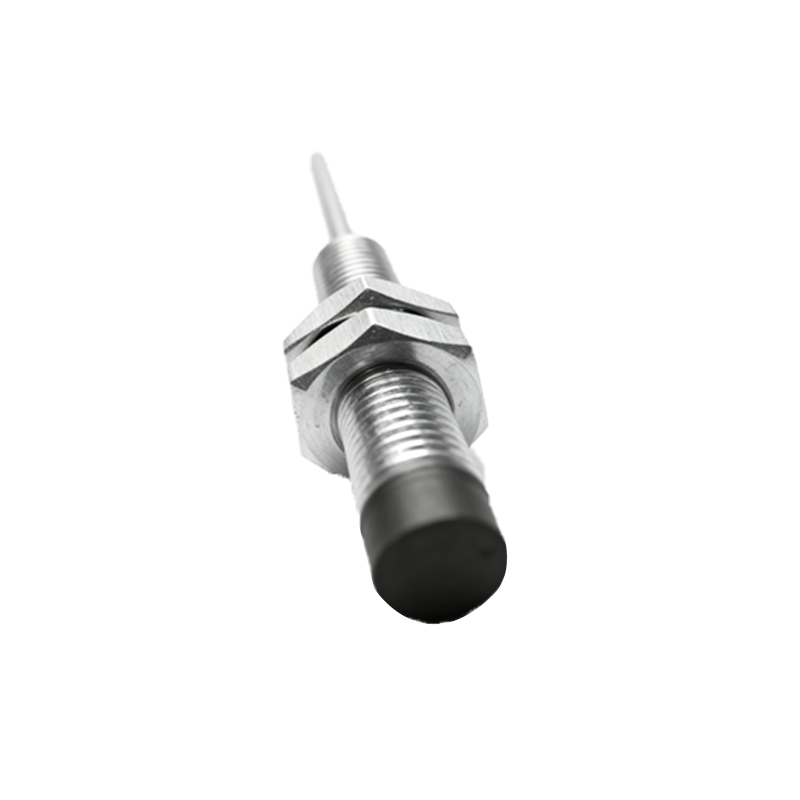
The application spectrum for E2E2 long-size proximity sensors is vast. They are indispensable in material handling systems for detecting the presence or position of pallets, containers, and trolleys, especially when these objects are large or the sensor needs to be mounted away from the moving path. In automotive assembly lines, their long range is utilized for precise positioning of vehicle bodies on conveyors or for checking the open/closed status of large doors and hoods. Machine tooling applications benefit from their ability to detect tool holders or workpiece clamps from a distance, contributing to automated tool change sequences and safety interlocking. Furthermore, in heavy industries like steel manufacturing or shipbuilding, where environments are exceptionally tough and targets are massive, the E2E2's durability and extended range prove essential for reliable operation over long periods.
When selecting an E2E2 series sensor, several factors must be considered. The target material is paramount; inductive sensors are designed for ferrous and non-ferrous metals, with sensing distances typically specified for mild steel. Correction factors must be applied for other metals like aluminum or copper. The required sensing distance, installation constraints (flush or non-flush), environmental conditions (temperature, exposure to coolants or oils), and electrical interface requirements are all critical decision points. Proper installation is also crucial to avoid mutual interference when multiple sensors are mounted in close proximity. Following manufacturer guidelines for minimum separation distances ensures stable performance.
In conclusion, the E2E2 series long-size proximity sensors represent a specialized and powerful tool in the automation engineer's arsenal. By offering an optimal blend of extended sensing capability, ruggedness, and environmental resilience, they solve complex detection challenges that standard sensors cannot address. Their deployment enhances system reliability, improves safety margins, and enables more innovative machine designs. As automation continues to evolve towards greater intelligence and flexibility, the role of such purpose-built, high-performance components like the E2E2 series will only become more pronounced, driving efficiency and productivity across countless industrial sectors.