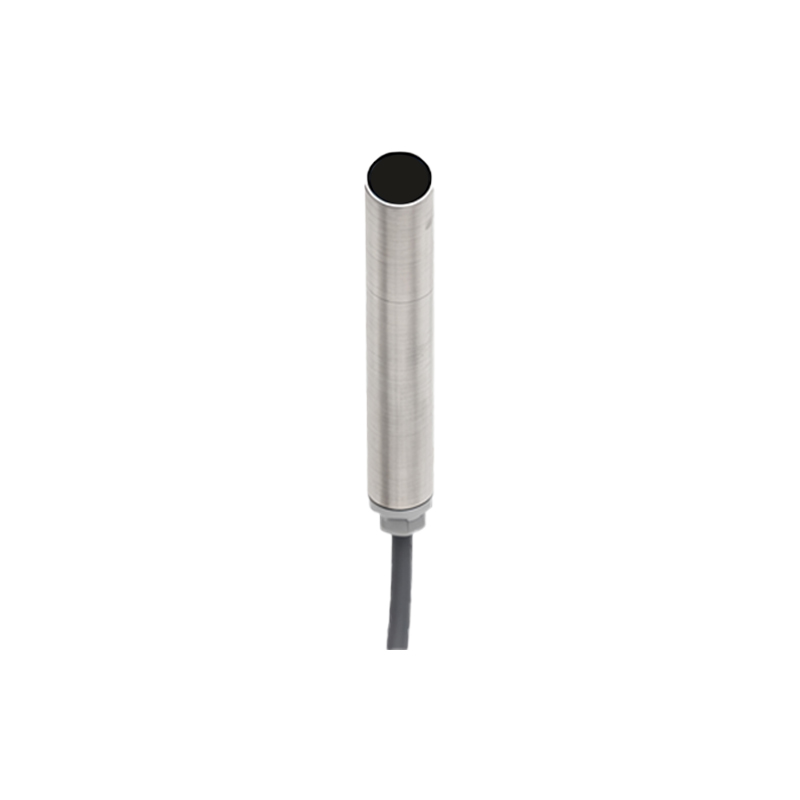
In the realm of industrial automation and control systems, photoelectric proximity sensors stand as indispensable components for non-contact detection. These devices operate on the fundamental principle of using a light beam, typically infrared, visible red, or laser, to detect the presence, absence, or distance of an object. Unlike inductive or capacitive sensors that rely on electromagnetic fields or changes in capacitance, photoelectric sensors function by emitting a light signal from a transmitter and analyzing the light received by a receiver. This method allows for long-range detection, often spanning several meters, and the ability to sense a vast array of materials regardless of their color, texture, or metallic properties, provided the object affects the light beam.
The core operating modes define their application scope. The through-beam (or opposed) mode, featuring separate transmitter and receiver units, offers the longest sensing range and highest reliability, as it detects an object that physically breaks the beam. The retro-reflective mode uses a single unit that houses both emitter and receiver, relying on a reflector to bounce the light beam back. An object is detected when it interrupts this reflected beam. This mode provides a good balance of range and ease of installation. Finally, the diffuse (or proximity) mode is the most common and compact, with the emitter and receiver in one housing. It detects an object by measuring the light scattered back from the target itself. While its range is shorter and can be influenced by the object's color and surface finish, its simplicity and self-contained design make it extremely versatile.
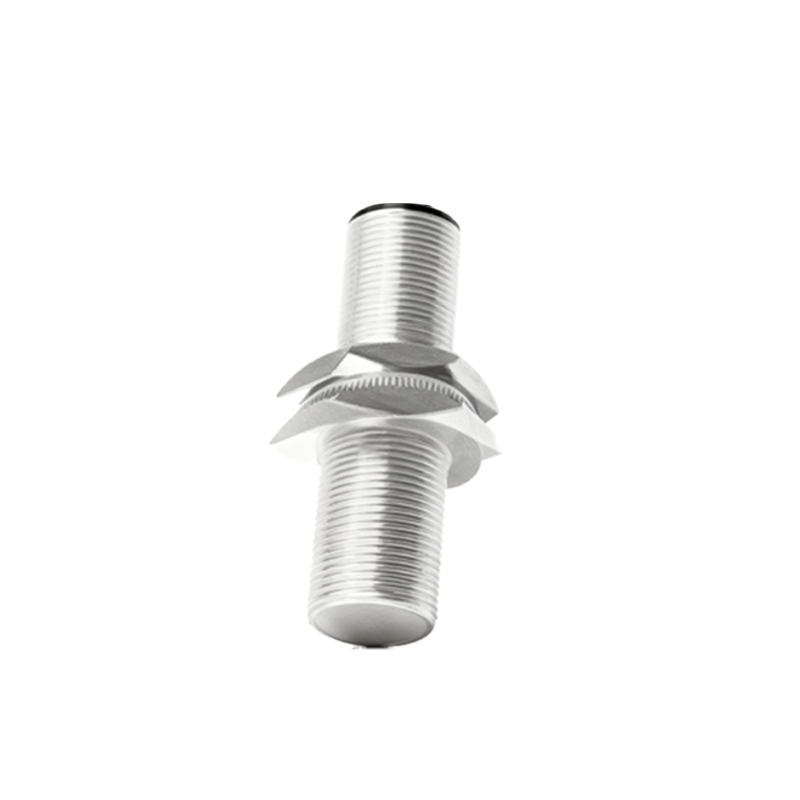
The advantages of photoelectric sensors are numerous. Their non-contact nature eliminates mechanical wear and tear, ensuring a long operational life. They provide fast response times, critical for high-speed production lines and packaging machinery. Their versatility in detecting various materials—from glass and liquids to opaque solids—makes them suitable for diverse environments, including food and beverage, pharmaceutical, material handling, and automotive assembly. Advanced models offer background suppression, which allows them to ignore objects beyond a set distance, and precise color recognition or contrast detection capabilities.
However, selecting the appropriate photoelectric sensor requires careful consideration of several key parameters. The sensing range is paramount; it must be suitable for the application without being excessive. The type of light source influences range, spot size, and environmental robustness; laser sensors provide a precise, narrow beam for small part detection, while modulated LED light sources offer immunity to ambient light interference. The housing material, typically stainless steel or rugged plastics like PBT, must withstand the operational environment, which may involve exposure to chemicals, washdowns (IP67/IP69K ratings), or extreme temperatures. Output configuration (PNP/NPN, NO/NC, analog, or IO-Link) must be compatible with the controller or PLC. Furthermore, factors like the target object's size, color, reflectivity, and the presence of environmental contaminants like dust, fog, or steam must be thoroughly evaluated.
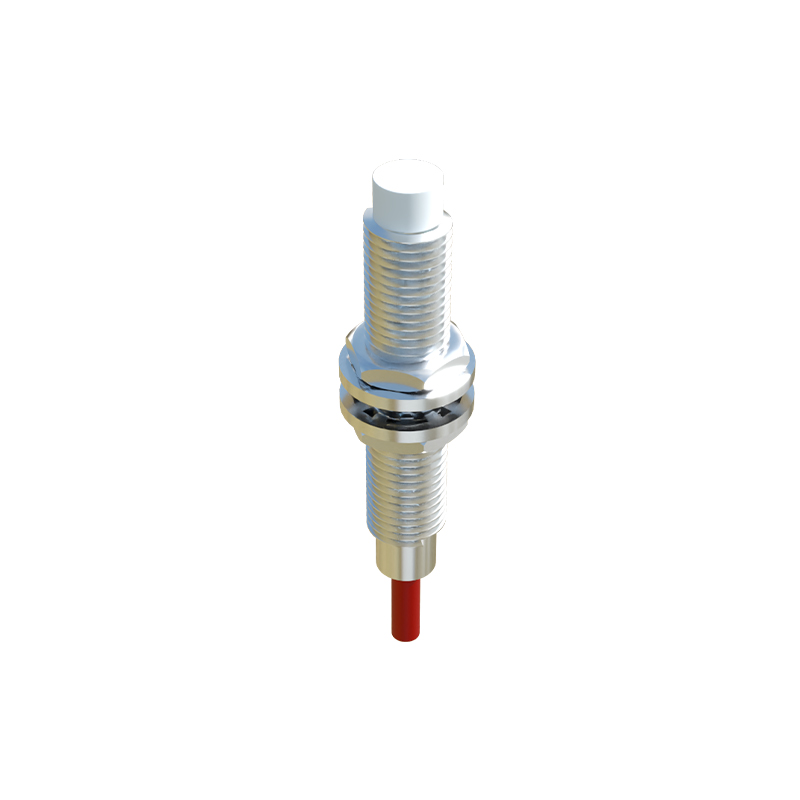
In practical applications, through-beam sensors are ideal for precise object counting on conveyor belts or detecting broken wires. Retro-reflective sensors are commonly used in automatic doors and palletizing systems. Diffuse sensors find widespread use in bottle filling level detection, robot end-effector positioning, and detecting the presence of items in storage racks. The emergence of smart sensors with IO-Link communication enhances functionality by enabling remote parameter setting, condition monitoring, and diagnostic data reporting, paving the way for predictive maintenance and Industry 4.0 integration.
In conclusion, photoelectric proximity sensors are a critical technology for modern industrial sensing. A deep understanding of their operating principles, modes, and selection criteria is essential for engineers and system integrators to design robust, efficient, and reliable automation solutions. By matching the sensor's characteristics to the specific demands of the application—considering range, target, environment, and required features—optimal performance and system longevity can be guaranteed.