Proximity sensors have become indispensable components in modern industrial automation, offering non-contact detection capabilities that enhance efficiency, safety, and reliability. These devices are designed to detect the presence or absence of objects within a specified range without physical contact, making them ideal for harsh environments where contamination, wear, or mechanical stress could compromise performance. The primary roles of proximity sensors can be categorized into several key areas, each contributing to streamlined operations across diverse sectors.
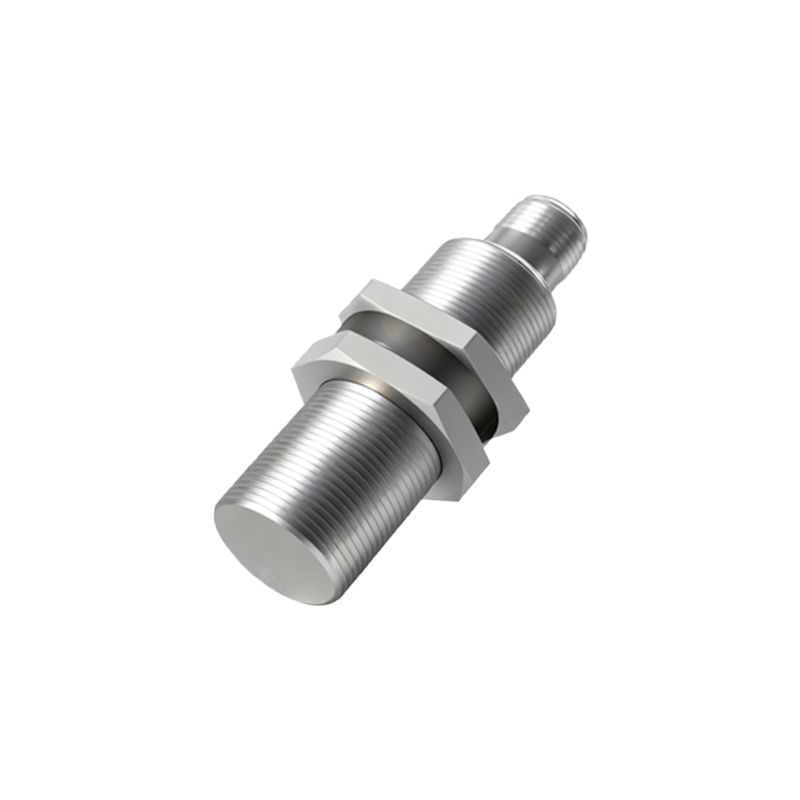
One of the most critical functions of proximity sensors is object detection and positioning. In manufacturing assembly lines, sensors accurately identify components on conveyor belts, ensuring precise placement for robotic arms or machining tools. For instance, inductive proximity sensors detect metallic objects, while capacitive variants sense non-metallic materials like plastics or liquids. This capability minimizes errors in automated processes, reducing waste and improving product consistency. In packaging industries, sensors verify the presence of items before sealing, preventing incomplete packages from reaching consumers.
Safety enhancement represents another vital role. Proximity sensors are integrated into machinery guards and access points to monitor human proximity. If a worker enters a hazardous zone, the sensor triggers an immediate shutdown or alarm, preventing accidents. This is particularly crucial in heavy industries such as metalworking or automotive manufacturing, where moving parts pose significant risks. Additionally, sensors monitor door positions in elevators or industrial ovens, ensuring they are securely closed before operation commences.
Process control and monitoring rely heavily on proximity sensors for real-time feedback. In fluid handling systems, sensors detect liquid levels in tanks, enabling automated refilling or drainage to maintain optimal levels. Vibration sensors in rotating equipment, like motors or turbines, identify abnormal oscillations that could indicate impending failures, allowing for predictive maintenance. This proactive approach reduces downtime and extends machinery lifespan, translating to cost savings for facilities.
Energy efficiency is also bolstered by proximity sensors. In smart lighting systems, sensors detect human movement in rooms, automatically turning lights on or off to conserve electricity. Similarly, in HVAC systems, occupancy sensors adjust heating or cooling based on room usage, optimizing energy consumption. These applications are increasingly relevant in sustainable building designs, where reducing carbon footprints is a priority.
The versatility of proximity sensors extends to specialized industries. In automotive manufacturing, they align parts during welding processes, ensuring precise joins. Agricultural machinery uses sensors to monitor seed distribution or detect obstacles in fields. Even consumer electronics, such as smartphones, incorporate miniature proximity sensors to disable touchscreens during calls, preventing accidental inputs.
Technological advancements continue to expand sensor capabilities. Modern proximity sensors feature enhanced sensitivity, longer detection ranges, and resistance to environmental factors like dust, moisture, or extreme temperatures. Wireless connectivity allows integration with IoT networks, enabling remote monitoring and data analytics. For example, sensors in warehouses track inventory movement, feeding data into management systems for automated restocking alerts.
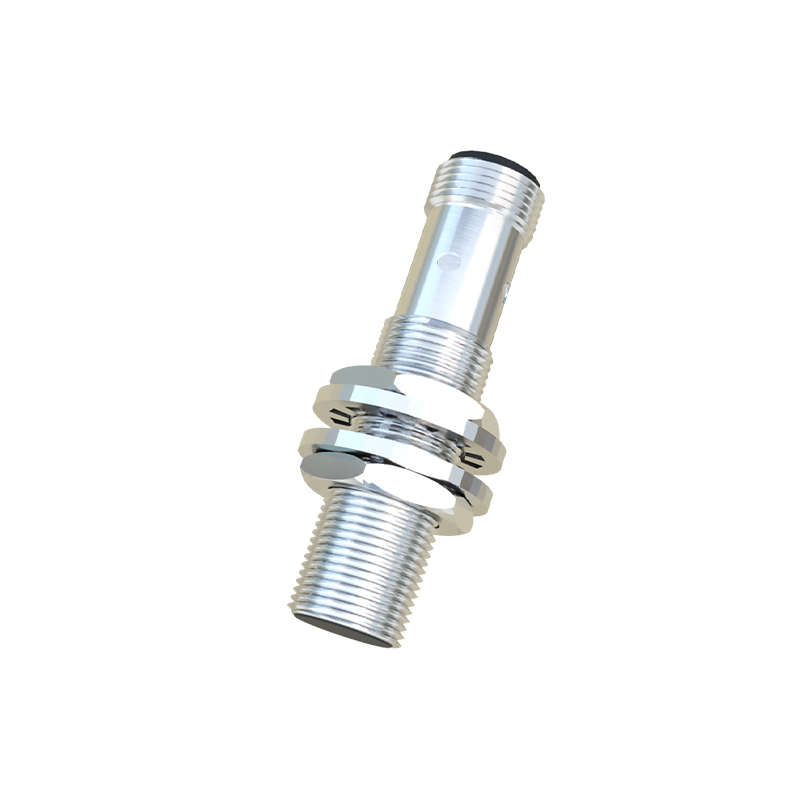
Despite their benefits, selecting the right proximity sensor requires careful consideration of factors like detection range, material compatibility, and environmental conditions. Inductive sensors excel with metals but may fail with other materials, while ultrasonic sensors suit varied substances but can be affected by temperature fluctuations. Proper installation and calibration are essential to avoid false triggers or missed detections.
In summary, proximity sensors serve as the eyes of automated systems, driving precision, safety, and efficiency. Their non-contact nature eliminates mechanical wear, ensuring longevity in demanding applications. As industries embrace smarter automation, the demand for advanced proximity sensors will only grow, solidifying their role as foundational elements in technological progress. From factory floors to everyday devices, these sensors quietly enable the seamless interactions that define modern life.