In the seamless interaction between humans and machines, a silent, unseen technology plays a pivotal role: the proximity sensor. These devices, often no larger than a coin, detect the presence or absence of nearby objects without any physical contact. Their operation is deceptively simple, yet their applications are vast and integral to modern life, from the smartphone in your pocket to complex industrial automation systems.
At its core, a proximity sensor works by emitting a field or beam of electromagnetic radiation, often infrared light, an inductive electromagnetic field, or capacitive energy. It then looks for changes in the field or the return signal. The type of signal used defines the primary categories of proximity sensors. Inductive sensors detect metallic objects by generating an oscillating electromagnetic field. When a metal object enters this field, it induces eddy currents, causing a change that the sensor detects. These are workhorses in manufacturing, counting parts on a conveyor belt or ensuring a robotic arm is correctly positioned.
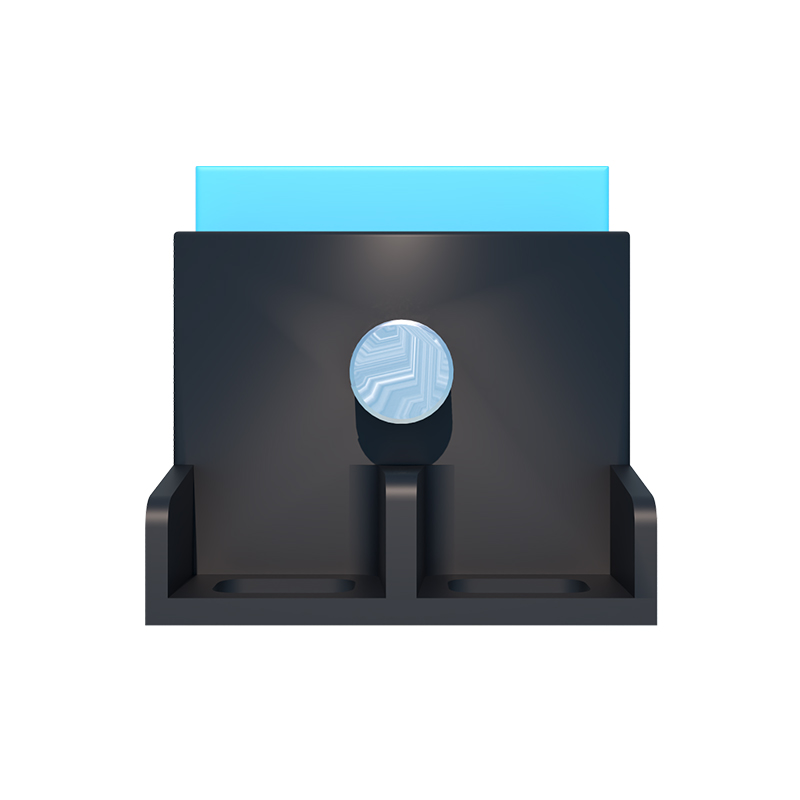
Capacitive sensors, on the other hand, can detect both metallic and non-metallic materials like liquids, plastics, or wood. They function by measuring changes in capacitance—the ability to store an electrical charge—between the sensor and the target object. This makes them ideal for level detection in tanks or touch-sensitive interfaces. Photoelectric sensors use light, typically infrared, to detect objects. They can be configured in through-beam, retro-reflective, or diffuse reflection modes, offering versatility for different ranges and environmental conditions. Ultrasonic sensors emit high-frequency sound waves and measure the time it takes for the echo to return, excelling in distance measurement and detecting objects with varied surfaces.
The ubiquity of proximity sensors is most apparent in consumer electronics. The simple act of raising a smartphone to your ear during a call, which turns off the display to save power and prevent accidental touches, is managed by an infrared proximity sensor. Modern laptops use them to conserve battery by dimming the screen when the user steps away. In automotive applications, they are the backbone of parking assist systems, providing audible warnings as a vehicle approaches an obstacle. Advanced driver-assistance systems (ADAS) rely on arrays of these sensors for blind-spot monitoring and collision avoidance.
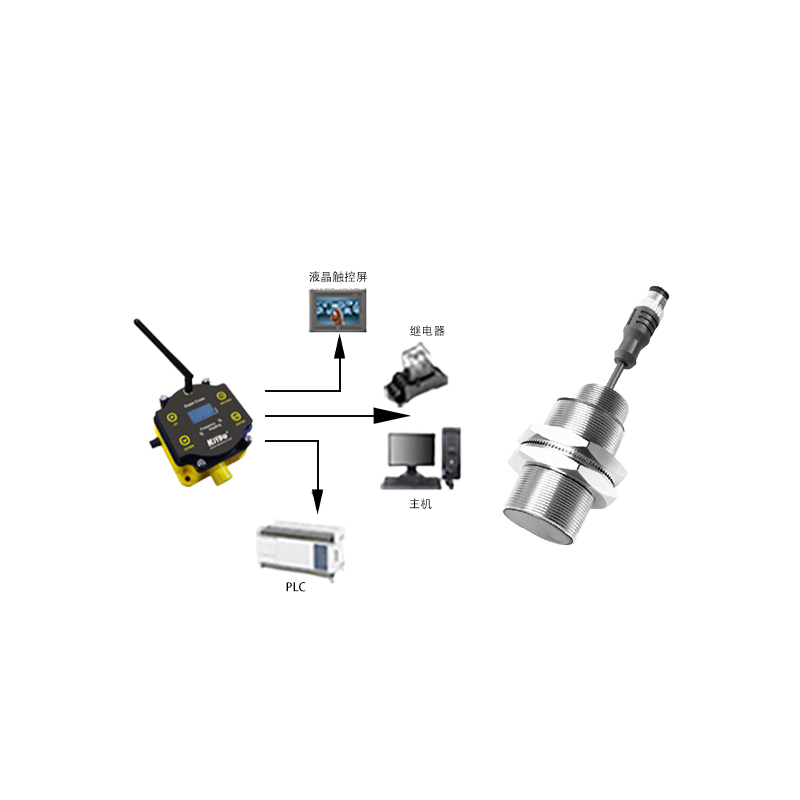
The industrial domain is where proximity sensors demonstrate their robustness and reliability. In harsh factory environments, they perform critical tasks like position sensing, end-of-travel detection for machinery, and object counting. Their non-contact nature means no wear and tear, leading to minimal maintenance and long operational life. This reliability is crucial for assembly lines where downtime translates directly to lost revenue. In packaging, they ensure products are correctly aligned for labeling. In material handling, they prevent jams and guide automated vehicles.
Looking forward, the evolution of proximity sensing is intertwined with the growth of the Internet of Things (IoT) and smart environments. In smart homes, sensors can detect occupancy to control lighting and HVAC systems, enhancing energy efficiency. In retail, they can trigger digital signage or monitor customer interaction with products. The development of sensor fusion—combining data from proximity sensors with cameras, LiDAR, and inertial measurement units—is pushing the boundaries in robotics and autonomous systems, enabling more nuanced environmental perception.
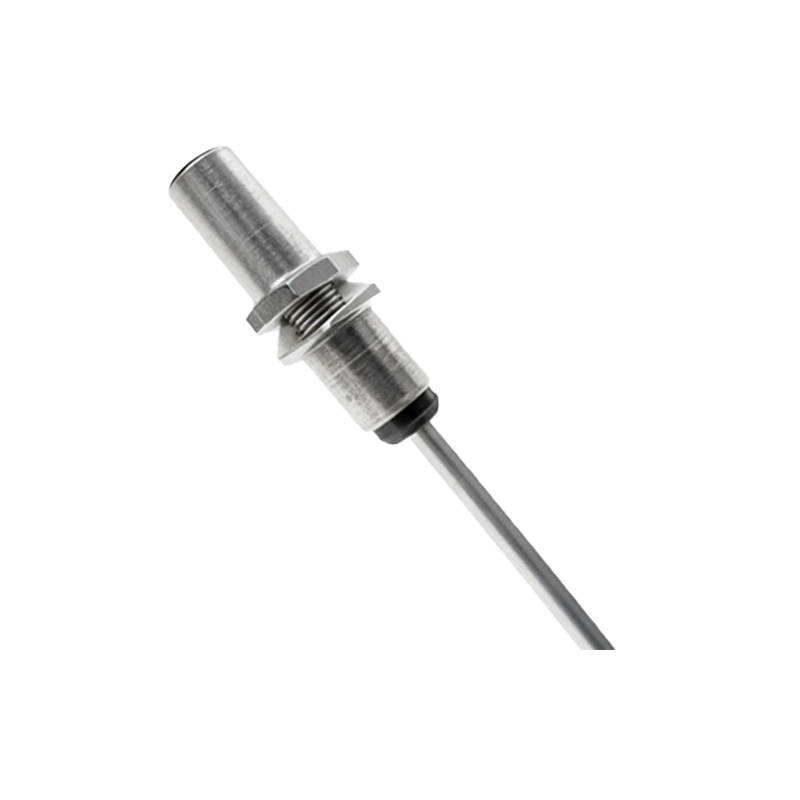
Selecting the right proximity sensor requires careful consideration of several factors: the nature of the target material (metal, plastic, liquid), the required sensing distance, the operating environment (presence of dust, moisture, or temperature extremes), the required response speed, and the output type needed (digital switch, analog signal). Understanding these parameters ensures optimal performance and system integration.
From enabling the intuitive interfaces of our personal devices to safeguarding processes in massive industrial plants, proximity sensors are a foundational technology of the automated world. They operate unnoticed, making interactions smoother, systems safer, and processes more efficient. As technology advances towards greater autonomy and connectivity, the humble proximity sensor will continue to be a key enabler, its silent detection shaping the functionality and intelligence of the machines that define our era.