In industrial environments where laser systems are employed, ensuring operator safety and regulatory compliance is paramount. Laser safety sensors, also vital as area guards or light curtains, are critical components designed to detect the presence of personnel or objects within a hazardous laser beam's path, triggering an immediate shutdown or warning. Understanding their key technical parameters is essential for proper selection, integration, and reliable operation. This article details the fundamental specifications engineers must evaluate.
The primary parameter is the Detection Capability, often defined by the Minimum Object Sensitivity (MOS) or resolution. This specifies the smallest opaque object diameter the sensor can reliably detect at a given distance. It is typically measured in millimeters (e.g., 14mm, 30mm). A finer resolution is necessary for applications requiring protection against finger or hand access, while coarser resolutions may suffice for full-body detection. Closely related is the Detection Range, the maximum distance over which the sensor can effectively monitor. This range must cover the entire hazardous zone. Exceeding this range can lead to undetected intrusions.
The Response Time is a critical safety parameter. It is the total time elapsed from the moment an object is detected to the moment the safety output signal switches state. This time, usually measured in milliseconds (ms), must be fast enough to prevent injury before the hazardous motion or laser emission stops. System designers must account for this time, along with the machine's own stopping time, to calculate the necessary Safety Distance as per standards like ISO 13855. A slower response time necessitates a larger physical safety perimeter.
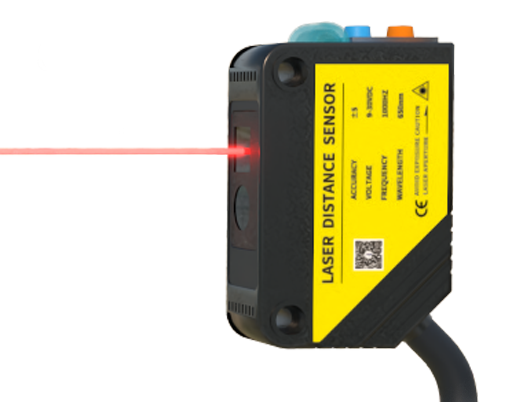
Safety Integrity Level (SIL) or Performance Level (PL) ratings quantify the sensor's reliability in performing its safety function. Defined by standards IEC 61508 and ISO 13849, these ratings (e.g., SIL 2, PL d) consider systematic and random hardware failures. A higher SIL/PL rating indicates a more robust design with lower probability of dangerous failure per hour. Selecting a sensor with an appropriate rating is mandated by the risk assessment of the specific machinery.
Number of Beams and Beam Spacing determine the sensor's vertical coverage and resolution. Multi-beam sensors create a protective screen. The spacing between adjacent beams affects the smallest detectable object; closer spacing improves detection capability. The Effective Aperture Angle defines the angular field within which the receiver can detect the transmitter's beams, crucial for alignment tolerance and stability in vibrating environments.
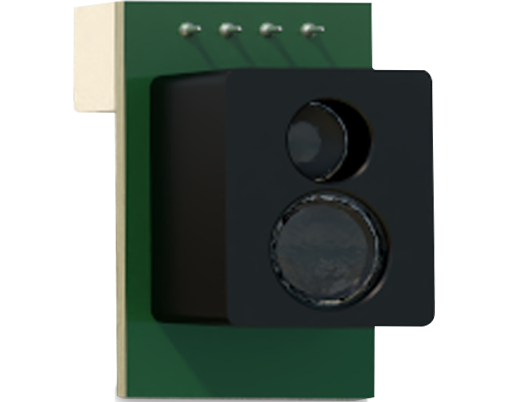
Environmental Ratings are vital for industrial durability. The Ingress Protection (IP) rating (e.g., IP65, IP67) indicates resistance to dust and water. Operating Temperature and Humidity ranges must suit the factory environment. Vibration and Shock resistance ensures the sensor maintains alignment and function in harsh conditions. Light Immunity specifies the level of ambient light (from sunlight to strobe lights) the sensor can tolerate without false trips or compromised detection.

Electrical characteristics include the Supply Voltage range (e.g., 24 VDC ±20%) and Output Types. Safety sensors typically provide dual, redundant Safety Outputs (e.g., OSSD - Output Signal Switching Device) in a cross-monitored configuration to meet safety standards. They may also offer auxiliary Diagnostic Outputs or Status Indicators (LEDs) for troubleshooting. Connection Interface options, such as M12 connectors or terminal blocks, affect installation ease.
Finally, Standards Compliance is non-negotiable. Key standards include IEC 61496 (for electro-sensitive protective equipment), IEC 60204-1 (safety of machinery), and relevant laser safety standards like IEC 60825. The sensor should carry marks like the CE mark (for Europe) indicating conformity with the Machinery Directive. Proper Alignment Aids (visual or acoustic) and Monitoring Functions for beam blockage or degradation are also important practical features that enhance usability and long-term safety integrity.
Selecting the correct laser safety sensor involves a careful balance of these parameters against the specific application's hazard analysis, required safety performance, and environmental conditions. Consulting the sensor's detailed technical data sheets and applicable safety standards is always imperative.