In the competitive landscape of industrial automation, the selection of reliable sensing components is paramount. Among these, anti-interference proximity sensors have emerged as critical devices for ensuring stable operations in electrically noisy environments. A common point of inquiry for procurement specialists, design engineers, and project managers revolves around understanding the factors that constitute the factory price of these sensors. This article delves into the key determinants of pricing, offering a professional perspective for informed decision-making.
The factory price, or the original equipment manufacturer (OEM) price, is the baseline cost before additional markups from distributors or retailers. For anti-interference proximity sensors, this price is not a single figure but a spectrum influenced by a confluence of technical and commercial factors.
At the core of the pricing structure lies the sensor's inherent technology and design complexity. The primary function of an anti-interference sensor is to reliably detect the presence or absence of a target object while being immune to electromagnetic interference (EMI), radio frequency interference (RFI), and cross-talk from other sensors. Achieving this requires sophisticated internal circuitry, often involving advanced filtering algorithms, shielded housings, and high-quality components like stable oscillators and precision amplifiers. Sensors utilizing high-frequency oscillatory circuits or those based on the eddy-current principle for metal detection typically command a higher price than simpler, more susceptible models. The level of protection against interference, often quantified by standards such as IEC 60947-5-2, directly correlates with cost. A sensor certified for use in heavy industrial settings with welders or large motors will be priced higher than one designed for light commercial use.
The sensing range and material compatibility are significant cost drivers. Standard inductive sensors with a nominal range of a few millimeters are generally economical. However, prices increase for models offering extended ranges or specialized capabilities, such as detecting non-ferrous metals (e.g., aluminum, copper) at a distance. Furthermore, sensors built with robust materials like stainless-steel housings (V4A/AISI 316) or those with high IP (Ingress Protection) ratings (e.g., IP67, IP69K) for dust and water resistance involve more expensive manufacturing processes and materials, elevating the factory price.
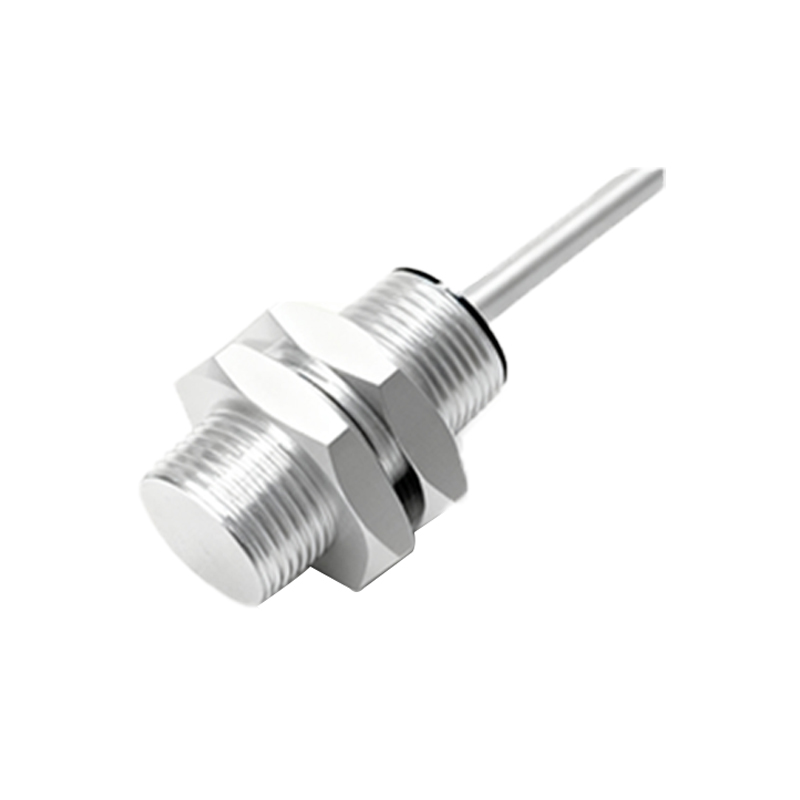
Output configuration and connection type also impact the bottom line. Basic two-wire AC sensors might be the most cost-effective entry point. In contrast, three-wire DC sensors (PNP or NPN) with transistor outputs, which offer faster switching speeds and better compatibility with programmable logic controllers (PLCs), come at a premium. Sensors featuring analog outputs (4-20 mA, 0-10V) for distance-proportional signaling or IO-Link capability for digital communication and parameterization represent the higher end of the price spectrum due to their added intelligence and circuitry.
Production volume is a universal economic principle that heavily influences factory pricing. OEMs purchasing several thousand units per month can negotiate significantly lower per-unit prices compared to a small workshop ordering a few dozen pieces annually. Manufacturers often have tiered pricing models where the cost per sensor decreases as the order quantity increases, reflecting economies of scale in production, component sourcing, and logistics.
Brand reputation and certification play a non-technical yet crucial role. Established brands with a proven track record of reliability, extensive R&D investment, and global technical support networks typically price their products higher. This premium covers not just the product but the assurance of quality, longevity, and after-sales service. Additionally, sensors carrying international certifications (e.g., UL, CE, ATEX for hazardous areas) undergo rigorous testing, the cost of which is factored into the price.
Finally, the geographic location of the manufacturing facility influences costs related to labor, regulatory compliance, and raw material sourcing, which in turn affect the ex-factory price.
In conclusion, the factory price of an anti-interference proximity sensor is a direct reflection of its performance pedigree, construction quality, and feature set. While a lower initial cost might be appealing, a holistic Total Cost of Ownership (TCO) analysis that considers durability, failure rates in noisy environments, and maintenance needs is essential. Engaging directly with manufacturers or authorized distributors for detailed quotations based on specific application requirements—sensing distance, target material, output type, required certifications, and annual volume—is the most effective strategy for obtaining accurate and competitive pricing. Investing in the right sensor upfront can prevent costly downtime and ensure long-term operational integrity in demanding industrial applications.