In the complex and electrically noisy environments of modern industrial automation, the reliable operation of sensors is paramount. Proximity sensors, which detect the presence or absence of objects without physical contact, are particularly susceptible to electromagnetic interference (EMI), radio frequency interference (RFI), and other environmental disturbances. These interferences can cause false triggering, signal degradation, or complete sensor failure, leading to costly downtime and production errors. Consequently, the development and deployment of robust anti-interference proximity sensors have become a critical focus for engineers. This article explores the primary types of proximity sensors engineered specifically for high immunity to interference, detailing their operating principles, key features, and typical applications.
The first major category is Inductive Proximity Sensors with Advanced Shielding. Standard inductive sensors detect metallic objects by generating an electromagnetic field. However, they can be influenced by external magnetic fields or adjacent sensors. Anti-interference models incorporate several key technologies. Ferrite shielding is commonly used to concentrate the sensor's own magnetic field and block external fields. More advanced designs feature active electronic shielding circuits that continuously monitor and compensate for ambient EMI. These sensors often operate on a high-frequency carrier signal (e.g., 1 MHz or higher), which is less susceptible to low-frequency industrial noise. They are predominantly used in metalworking, automotive assembly lines, and robotic cells where multiple drives and welders are present.
Capacitive Proximity Sensors with Guard Ring Technology form another crucial group. These sensors detect both metallic and non-metallic materials by measuring changes in capacitance. A significant source of error is the influence of unwanted background objects or contaminants on the sensing face. Anti-interference capacitive sensors employ a guard ring or compensation electrode surrounding the active sensing area. This guard electrode is driven at the same potential as the sensing electrode, effectively creating a focused, directional field that ignores material buildup on the face or objects to the side. This makes them ideal for level detection of liquids, plastics, or wood in dusty or humid conditions, and in packaging machinery where film or glue might otherwise cause false signals.
Ultrasonic Proximity Sensors with Digital Signal Processing (DSP) offer excellent immunity to optical and electrical noise. They work by emitting sound waves and measuring the echo's return time. Traditional analog models could be tricked by acoustic noise from machinery. Modern anti-interference ultrasonic sensors integrate sophisticated DSP chips. These processors can filter out consistent background noise, identify the true echo signature amidst clutter, and compensate for temperature variations that affect sound speed. Features like teach-in programming allow them to "learn" and ignore a fixed background. They are extensively used in challenging environments like material handling (detecting transparent or variably colored objects), outdoor applications, and dirty settings where optical sensors would fail.
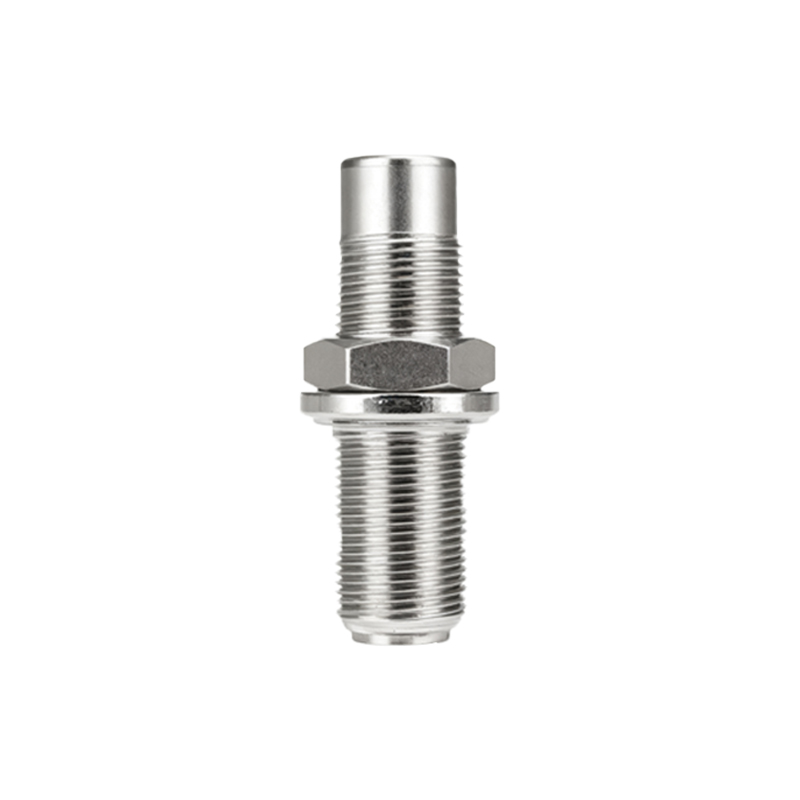
Fiber-Optic Proximity Sensors represent a fundamentally different approach to achieving immunity. In these systems, the sensing head contains no electronics—it consists only of optical fibers. The light source (amplifier) is located remotely, often in a control cabinet. This design makes the sensor head inherently immune to all forms of electrical and magnetic interference, high temperatures, and even corrosive atmospheres. The amplifier units themselves are built with robust circuitry to ensure stable light transmission and reception. Fiber-optic sensors are the go-to solution in extreme environments such as welding zones, high-voltage substations, chemical plants, and inside ovens or furnaces.
Finally, Specialized DC 3-Wire Sensors with Reverse Polarity and Short-Circuit Protection address interference and faults at the wiring level. While not a sensing technology per se, their electrical design is crucial for system robustness. These sensors include built-in protection against voltage spikes, reverse polarity connection, and output short-circuits. They often feature constant current output stages that are less sensitive to line resistance and voltage fluctuations. By preventing damage from common electrical faults, they ensure continuous, reliable operation in panels with frequent relay switching or alongside large inductive loads like motors and solenoids.
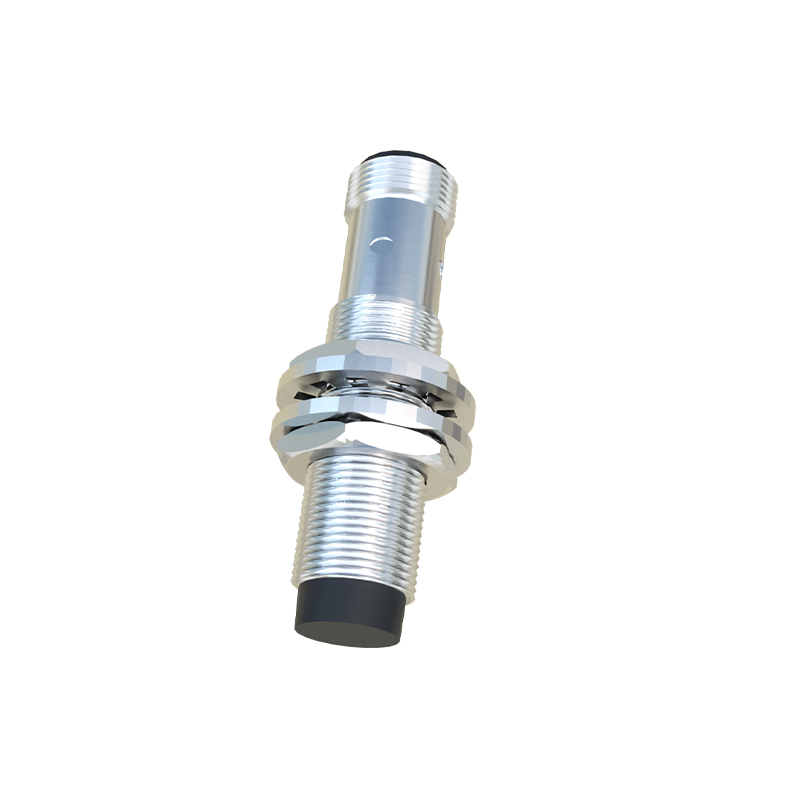
Selecting the appropriate anti-interference sensor requires a thorough analysis of the application's specific noise sources—be it from variable-frequency drives, welding equipment, radio transmitters, or conductive dust. Engineers must consider factors such as the sensor's immunity rating (often specified per EN/IEC 60947-5-2), housing material (e.g., stainless steel for RF shielding), output type, and mounting configuration. The integration of sensors with industrial networks using protocols like IO-Link further enhances diagnostics and allows for remote parameter adjustment to adapt to changing conditions. In conclusion, the evolution of anti-interference technologies across inductive, capacitive, ultrasonic, and fiber-optic platforms provides engineers with a powerful toolkit to build resilient, fault-tolerant automation systems capable of thriving in the electrically hostile landscapes of