In the realm of industrial automation and control systems, proximity switches play a pivotal role in detecting the presence or absence of objects without physical contact. Among the various configurations available, the four-wire proximity switch stands out for its versatility and reliability, making it a preferred choice in numerous demanding applications. This article delves into the operational principles, wiring configurations, advantages, and typical use cases of four-wire proximity switches, providing a thorough understanding for engineers and technicians.
A four-wire proximity switch, fundamentally, is a non-contact sensor that utilizes electromagnetic fields, capacitive effects, or ultrasonic waves to detect metallic or non-metallic targets. The "four-wire" designation refers to its electrical connection scheme: it typically comprises two wires for power supply and two wires for the output signal. This configuration separates the power and output circuits, offering distinct benefits over two-wire or three-wire variants. The most common types are inductive (for metallic objects) and capacitive (for both metallic and non-metallic materials), each suited to specific environmental conditions and target materials.
The wiring of a four-wire proximity switch is straightforward yet critical for proper functionality. The two power wires connect to a DC voltage source, usually ranging from 10 to 30 VDC, ensuring the sensor's internal circuitry is energized. The remaining two wires are for the output; one is a common (COM) or reference line, and the other is the signal line that switches state (open or closed) upon target detection. These switches often feature both normally open (NO) and normally closed (NC) output options, providing flexibility in control logic design. The separation of power and output allows for independent troubleshooting and reduces interference, enhancing system stability.
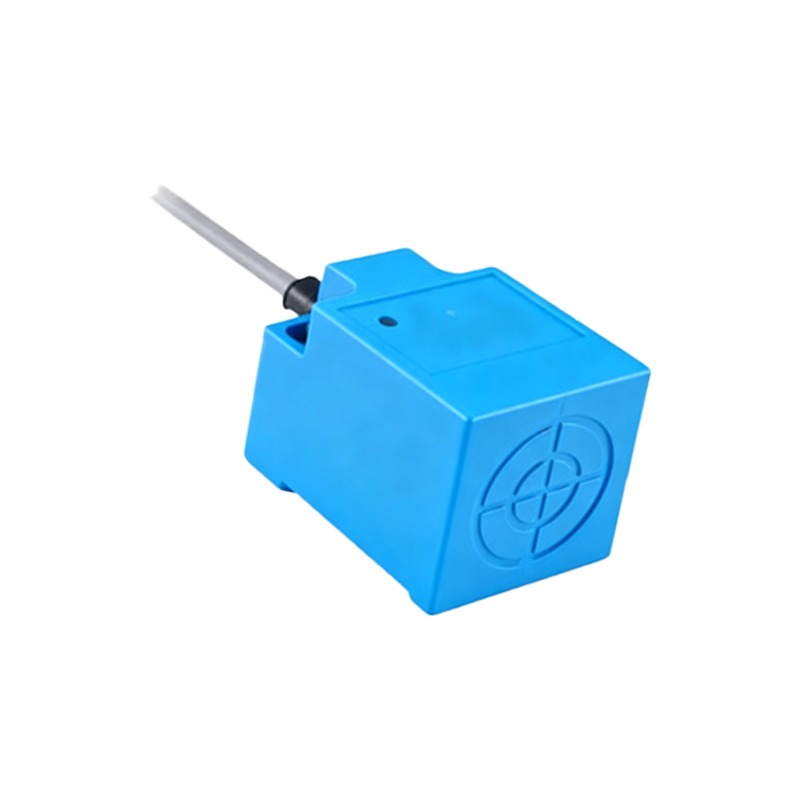
One of the primary advantages of four-wire proximity switches is their ability to handle diverse load types. Unlike two-wire sensors that must pass the load current through the entire device, four-wire models can interface directly with programmable logic controllers (PLCs), relays, or other control devices without significant current draw from the sensor itself. This leads to lower power consumption and reduced heat generation, extending the sensor's operational lifespan. Additionally, the isolated output circuit minimizes the risk of electrical noise affecting signal integrity, which is crucial in high-interference industrial environments such as welding shops or motor control centers.
In practice, four-wire proximity switches are deployed across various industries. In automotive manufacturing, they ensure precise positioning of components on assembly lines. In packaging machinery, they detect product presence to trigger sealing or labeling operations. Their robustness also makes them ideal for harsh conditions, including areas with dust, moisture, or temperature extremes, provided they are housed in appropriate enclosures (e.g., IP67-rated). When selecting a four-wire proximity switch, engineers must consider factors like sensing distance, target material, response time, and environmental ratings to match application requirements.
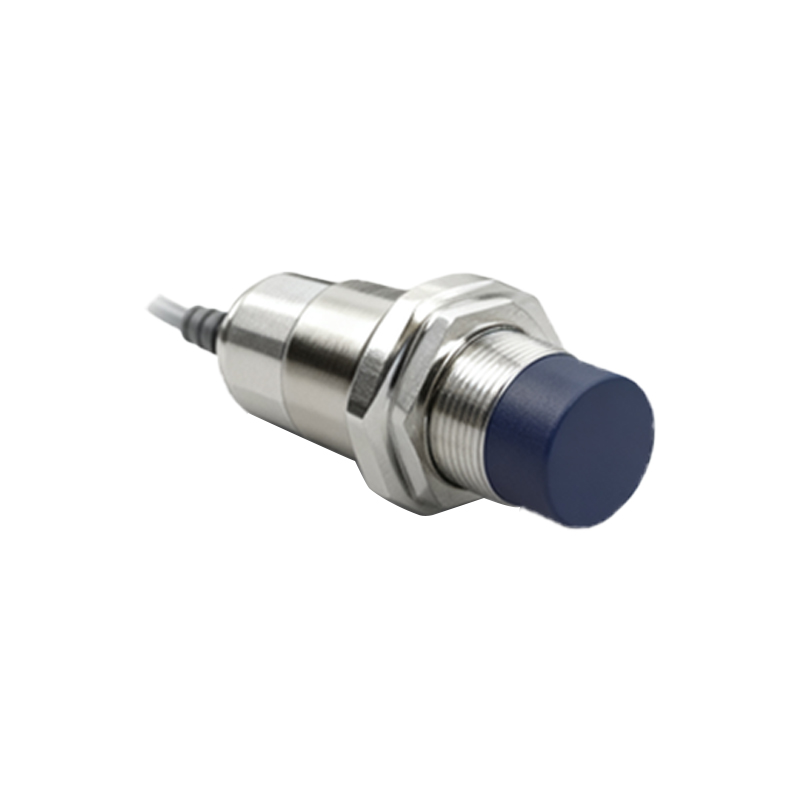
Maintenance and troubleshooting of these sensors are generally straightforward. Regular checks for physical damage, contamination, or misalignment can prevent failures. Using a multimeter to verify voltage at the power terminals and output signal continuity during activation helps diagnose issues. It is also essential to follow manufacturer guidelines for installation, ensuring proper shielding and grounding to avoid false triggers.
In summary, the four-wire proximity switch offers a balanced combination of performance, reliability, and flexibility. Its design simplifies integration into complex control systems while providing robust detection capabilities. As industries continue to embrace automation, understanding and leveraging such sensors will remain key to optimizing operational efficiency and safety. Whether for simple object detection or intricate process control, the four-wire proximity switch proves to be an indispensable tool in the electrical engineer's arsenal.