In the rapidly evolving landscape of industrial automation and smart systems, small photoelectric proximity sensors have become indispensable components. These compact devices detect the presence, absence, or distance of objects without physical contact, utilizing light beams to achieve high precision and reliability. Their small size allows for integration into tight spaces, making them ideal for modern applications where miniaturization is key. This article explores the main types of small photoelectric proximity sensors, their working principles, and common use cases in various industries.
The first type is the diffuse reflective sensor. This sensor emits a light beam, typically infrared or visible LED-based, and detects the reflection from a target object. It operates on the principle that when an object enters the sensing range, light reflects back to the receiver, triggering a signal. Diffuse sensors are known for their simplicity and cost-effectiveness, as they do not require a separate reflector. However, their sensing range is limited, usually up to a few centimeters, and they can be affected by the object's color, surface texture, and environmental conditions like dust or ambient light. Common applications include object detection on conveyor belts, packaging lines, and robotic arms where direct reflection is feasible.
Next, we have the retro-reflective sensor. This type uses a dedicated reflector placed opposite the sensor to bounce the light beam back. The sensor continuously monitors the beam; when an object interrupts the path between the sensor and reflector, it detects the absence of reflection and activates an output. Retro-reflective sensors offer a longer sensing range compared to diffuse models, often reaching several meters, and are less influenced by object properties since they rely on beam interruption rather than reflection from the target. They are widely used in material handling, automated doors, and safety systems where reliable beam break detection is crucial.
Another important category is the through-beam sensor, also known as the opposed mode sensor. It consists of two separate units: an emitter and a receiver, positioned opposite each other. The emitter projects a light beam directly to the receiver, and any object passing through the beam blocks it, causing the receiver to signal an detection. Through-beam sensors provide the longest and most stable sensing ranges, often exceeding tens of meters, with high immunity to environmental interferences. They are preferred in demanding environments such as industrial manufacturing, logistics sorting, and outdoor applications where accuracy and durability are paramount.
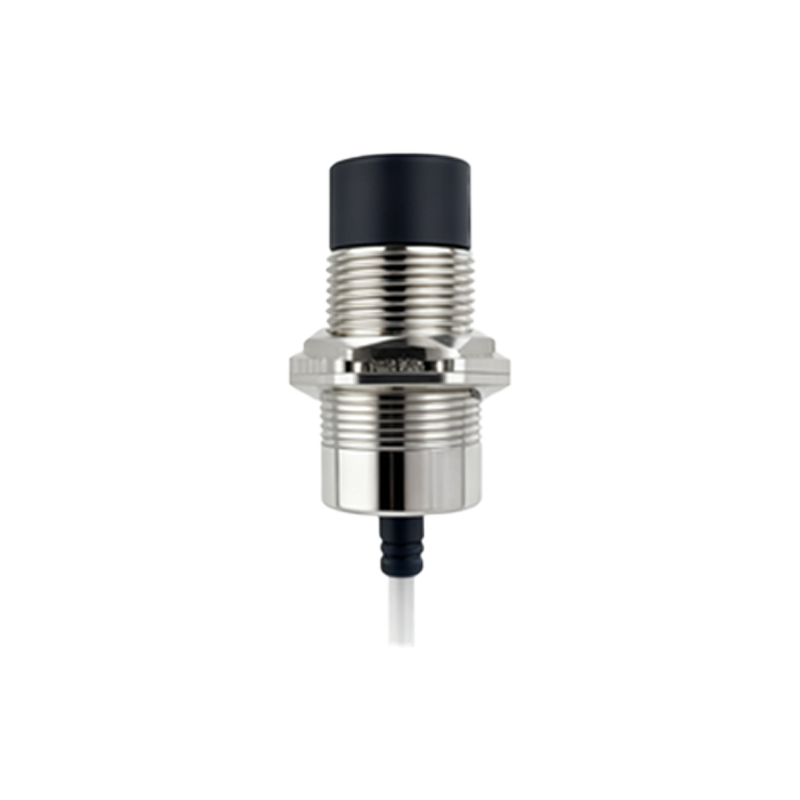
Additionally, background suppression sensors are a specialized variant of diffuse sensors. They incorporate advanced optics or triangulation methods to measure distance based on the angle of reflected light, allowing them to ignore objects beyond a set background. This makes them excellent for detecting objects against complex backgrounds or in varying conditions, such as in assembly lines where parts need to be distinguished from machinery. Their small form factor enhances versatility in confined spaces.
Small photoelectric proximity sensors are engineered with various features to suit diverse needs. Many models include adjustable sensitivity, built-in amplifiers, and digital or analog outputs for seamless integration with PLCs (Programmable Logic Controllers) and microcontrollers. They often come in rugged housings rated IP67 or higher for resistance to dust, moisture, and mechanical shocks, ensuring longevity in harsh industrial settings.
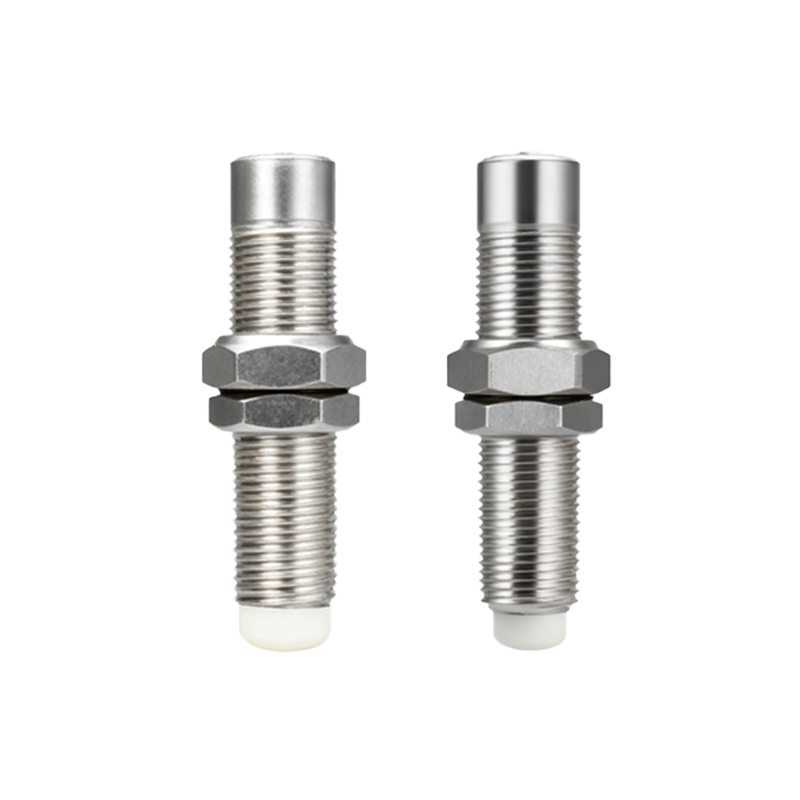
In terms of applications, these sensors play a vital role across sectors. In automotive manufacturing, they monitor component placement and assembly processes. In electronics, they facilitate precise PCB (Printed Circuit Board) handling and inspection. Consumer goods industries use them for fill-level detection and packaging quality control. Moreover, with the rise of IoT (Internet of Things) and smart devices, small photoelectric sensors are increasingly embedded in home automation, robotics, and medical equipment, enabling touchless operation and enhanced safety.

When selecting a small photoelectric proximity sensor, factors to consider include sensing range, response time, environmental conditions, target material, and power requirements. It's essential to choose a type that aligns with the specific application to optimize performance and cost-efficiency. Regular maintenance, such as lens cleaning and alignment checks, can further ensure reliable operation.
In summary, small photoelectric proximity sensors, including diffuse, retro-reflective, through-beam, and background suppression types, offer versatile solutions for non-contact detection. Their compact design, coupled with advanced technology, drives efficiency and innovation in automation. As industries continue to embrace digital transformation, these sensors will remain critical components, evolving to meet future challenges in connectivity and precision.