In the realm of industrial automation and control systems, proximity switch sensors are indispensable components for detecting the presence or absence of objects without physical contact. Among various wiring configurations, the six-wire setup stands out for its enhanced functionality and reliability, particularly in complex applications. This article delves into the intricacies of six-wire proximity sensors, explaining their structure, operation, and practical benefits.
A typical six-wire proximity sensor comprises three primary pairs of wires: power supply, output signal, and diagnostic or auxiliary functions. The first pair, usually labeled as brown and blue wires, connects to the DC power source—brown for positive voltage (typically +24V DC) and blue for negative or ground. This pair ensures the sensor receives stable operational power, crucial for consistent performance in harsh industrial environments like manufacturing floors or robotic assemblies.
The second pair, often black and white wires, handles the output signal. In a standard configuration, the black wire serves as the normally open (NO) output, while the white wire acts as the normally closed (NC) output. This dual-output capability allows for flexible integration into control circuits, enabling systems to trigger actions based on object detection or absence. For instance, in conveyor belt systems, the NO output might activate a motor when an object is detected, whereas the NC output could halt operations if an object is missing, enhancing safety and efficiency.
The third pair, commonly gray and pink wires, provides diagnostic or auxiliary features. These wires support functions such as short-circuit protection, overload indication, or programmable modes. The gray wire often serves as a diagnostic output, sending signals to monitoring systems about the sensor's health—like detecting wiring faults or sensor degradation. The pink wire may enable configuration options, allowing users to adjust sensing ranges or output behaviors via external controllers. This pair adds a layer of intelligence, facilitating predictive maintenance and reducing downtime in automated processes.
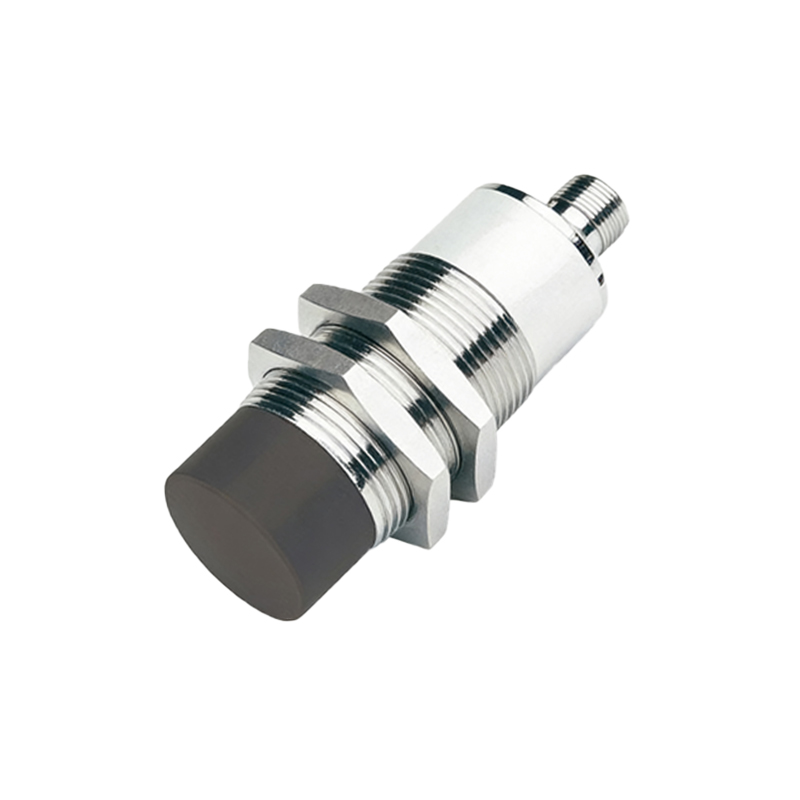
From an engineering perspective, the six-wire design offers significant advantages. It enhances system reliability by separating power, signal, and diagnostic paths, minimizing interference and false triggers. In high-noise environments, such as those with heavy machinery or electromagnetic interference, this isolation ensures accurate object detection. Moreover, the diagnostic capabilities empower technicians to troubleshoot issues remotely, cutting maintenance costs and boosting productivity. For example, in automotive assembly lines, six-wire sensors can monitor part positioning while alerting operators to potential failures, streamlining quality control.
Installation and wiring require careful attention to manufacturer guidelines. Incorrect connections can lead to sensor damage or operational hazards. Engineers should verify voltage ratings, wire color codes, and grounding practices. Using shielded cables for long runs is recommended to prevent signal degradation. Additionally, integrating these sensors with PLCs (Programmable Logic Controllers) or IoT platforms can unlock advanced analytics, enabling real-time data collection for process optimization.
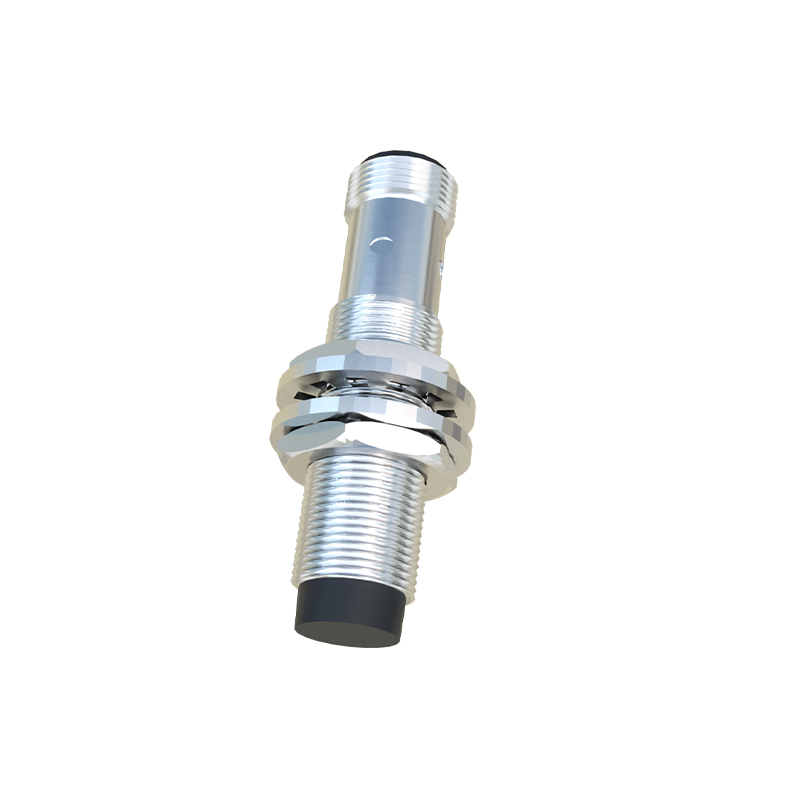
In summary, six-wire proximity switch sensors represent a sophisticated solution for modern industrial automation. Their multi-functional wiring supports robust performance, diagnostic insights, and adaptability across diverse applications—from packaging machinery to aerospace systems. As industries evolve toward smarter factories, understanding and leveraging such configurations becomes key to achieving operational excellence and innovation.