In the intricate world of industrial automation, where precision and reliability are paramount, a silent class of components operates tirelessly, often unnoticed. Non-metallic miniature proximity sensors are among these critical yet understated heroes. Unlike their traditional metallic counterparts, these sensors are crafted from advanced engineering plastics, ceramics, or composite materials, granting them unique properties that are revolutionizing sensing applications across diverse sectors.
The core function of a proximity sensor is to detect the presence or absence of an object without physical contact. Non-metallic miniature variants excel in this by typically employing capacitive, inductive, or ultrasonic sensing principles, tailored to their material composition. Their "non-metallic" construction is not a limitation but a strategic advantage. It renders them inherently immune to corrosion from aggressive chemicals, solvents, or saline environments—a common downfall for metal-housed sensors in chemical processing, food and beverage, or marine applications. Furthermore, their dielectric nature makes them ideal for use in environments with strong electromagnetic interference (EMI) or in applications involving metal detection, where a metal sensor body could cause false triggers or signal distortion.
The "miniature" aspect is equally transformative. With footprints sometimes smaller than a fingertip, these sensors can be integrated into densely packed assemblies, modern compact machinery, and delicate robotic grippers where space is at a premium. This miniaturization does not come at the cost of performance. Modern designs offer sensing ranges suitable for precise positioning, high switching frequencies for rapid production lines, and remarkable repeatability.
The applications are vast and growing. In the food and pharmaceutical industries, strict hygiene standards (like FDA or EHEDG compliance) are non-negotiable. Non-metallic sensors, often featuring smooth, crevice-free surfaces made from materials like PEEK or PTFE, can withstand frequent high-pressure, high-temperature washdowns without degrading. They detect plastic or glass containers, monitor fill levels, or control packaging operations without risk of contaminating the product or the process.
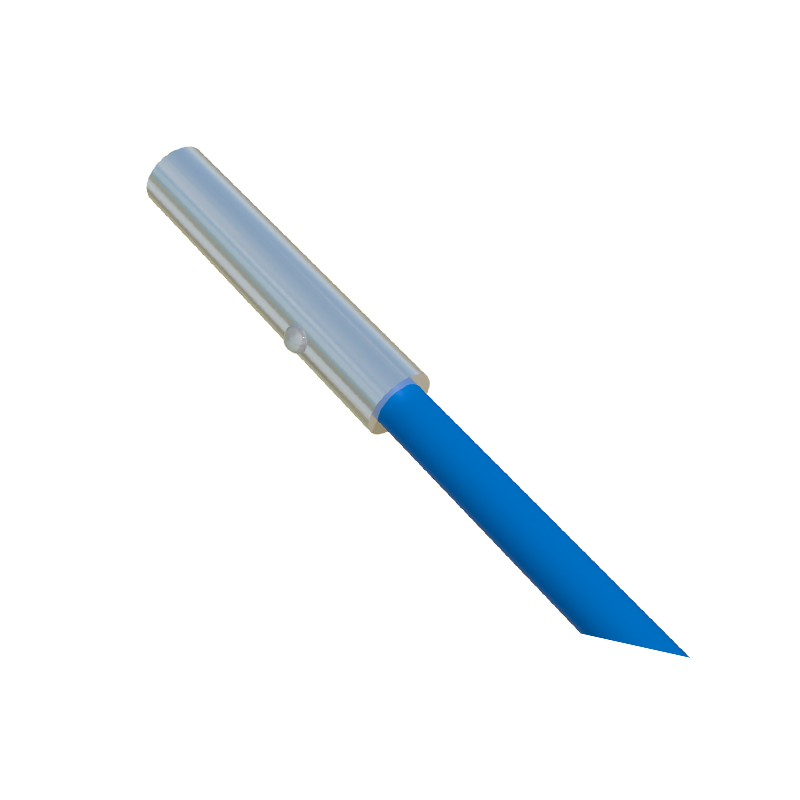
In electronics manufacturing, particularly on PCB assembly lines, the non-interference with sensitive circuits is crucial. A ceramic-bodied capacitive sensor can reliably detect the presence of a silicon wafer or a composite component without inducing eddy currents or affecting nearby electronics. Similarly, in automated guided vehicles (AGVs) and collaborative robotics (cobots), these lightweight sensors provide safe, close-range object detection for navigation and human-robot interaction, their plastic housings minimizing risk during accidental contact.
Another significant arena is in the detection of non-metallic targets themselves—liquids, plastics, wood, or granular materials. Inductive sensors, traditionally used for metals, are adapted in non-metallic housings but often, capacitive sensors shine here. They can detect materials based on their dielectric constant, enabling level sensing of liquids in non-metallic tanks or controlling the flow of powders in plastic conduits.
Despite their advantages, selecting the right non-metallic miniature proximity sensor requires careful consideration. Engineers must evaluate the sensing technology (inductive for metals, capacitive for a broader range, ultrasonic for longer ranges), the specific material grade for chemical and temperature resistance, the required ingress protection (IP) rating, and the output configuration (PNP/NPN, analog, IO-Link). IO-Link communication, increasingly common, turns these simple sensors into intelligent devices, providing diagnostic data, enabling parameterization on-the-fly, and supporting predictive maintenance strategies.
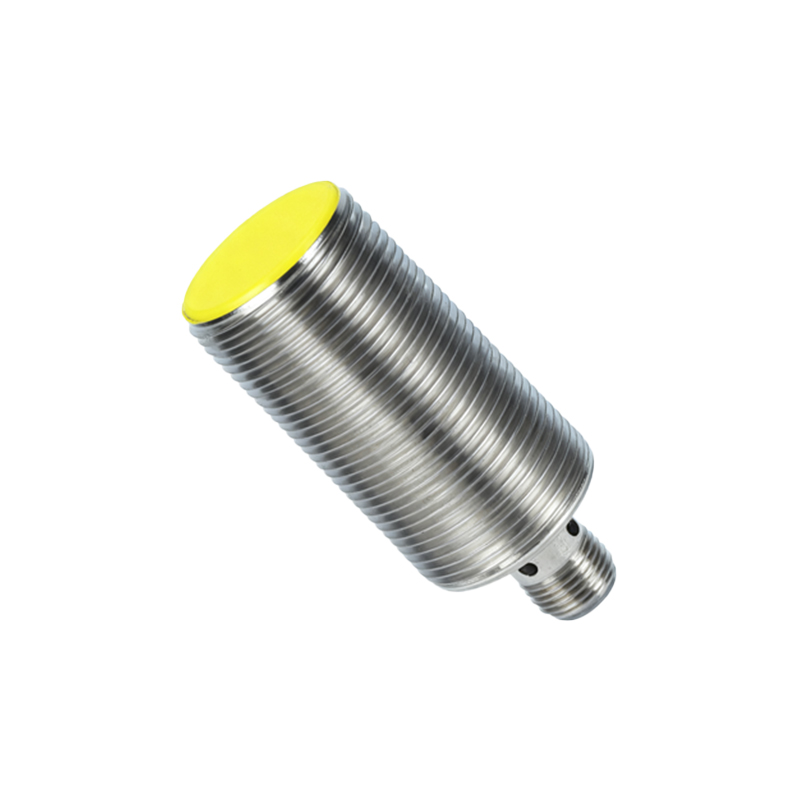
In conclusion, non-metallic miniature proximity sensors are far more than just niche alternatives. They are enabling technologies that solve specific, critical challenges in harsh, sensitive, or space-constrained environments. By offering durability, chemical immunity, operational stability, and design flexibility, they form the invisible sensory network that ensures safety, efficiency, and hygiene in increasingly automated and demanding industrial landscapes. Their continued evolution, driven by material science and microelectronics, promises to unlock even more sophisticated applications in the future of smart manufacturing and beyond.