In industrial automation, robotics, and machinery design, proximity sensors play a critical role in detecting the presence or absence of objects without physical contact. However, the performance and longevity of these sensors are heavily dependent on a component often overlooked: the mounting base. A proximity sensor mounting base is not merely a bracket; it is a foundational element that ensures precise positioning, mechanical stability, and protection for the sensor.
The primary function of a mounting base is to provide a secure and accurate interface between the sensor and the machine structure. Proper alignment is paramount for inductive, capacitive, and photoelectric sensors to function within their specified sensing ranges. A misaligned sensor, even by a few millimeters, can lead to false triggers, missed detections, and costly production errors. High-quality bases are machined to tight tolerances, guaranteeing that the sensor is held in the exact position required by the application's design.
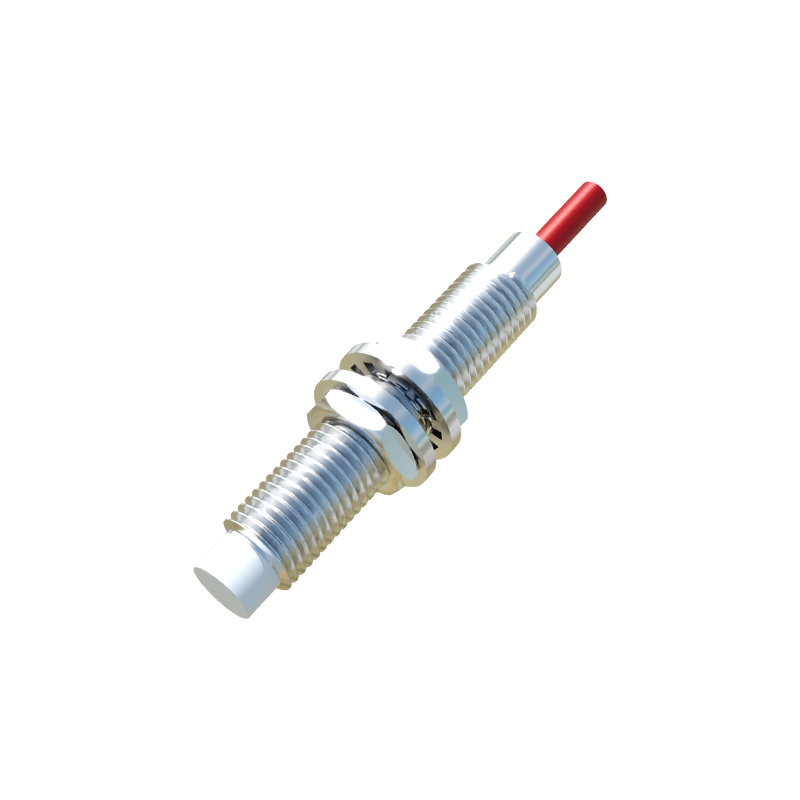
Durability under harsh operating conditions is another key consideration. Mounting bases are typically constructed from robust materials such as stainless steel, anodized aluminum, or engineered plastics like PBT or POM. The choice of material depends on the environment. Stainless steel offers excellent corrosion resistance for washdown areas in food and beverage processing. Aluminum provides a strong, lightweight option for general industrial use, while specialized plastics are ideal for applications requiring electrical insulation or resistance to specific chemicals.
Vibration is a common enemy in industrial settings. A well-designed base incorporates features to dampen vibrations transmitted from the machine to the sensor. This is achieved through the base's inherent rigidity, secure fastening methods (e.g., lock nuts, set screws), and sometimes integrated damping elements. Reducing vibration minimizes the risk of sensor loosening over time and prevents internal component fatigue, significantly extending the sensor's operational life.
Installation and maintenance efficiency are greatly enhanced by the right mounting base. Many bases feature standardized dimensions and mounting patterns, allowing for easy replacement or interchangeability of sensors from different manufacturers within the same footprint. Quick-disconnect versions enable sensor removal for calibration or replacement without disturbing the wiring conduit, minimizing machine downtime. Bases also protect the sensor's electrical connections and cable outlets from strain, dust, and moisture ingress, especially when used with appropriate sealing gaskets.
Selecting the correct mounting base requires careful analysis of several parameters. First, identify the sensor's specific housing style and thread size (e.g., M8, M12, M18, M30). The base must have a compatible receptacle. Next, consider the required orientation and adjustability. Fixed bases offer maximum rigidity, while adjustable bases with swivel or slide features allow for fine-tuning of the sensing position after installation. The method of mounting the base itself to the machine—whether via through-holes, threaded holes, or a specific flange—must match the available mounting surface.
Finally, assess the environmental rating. Bases often carry an Ingress Protection (IP) rating when combined with a sensor. Ensuring the base-sensor assembly meets the IP rating required for the environment (e.g., IP67 for dust and temporary immersion) is crucial for reliable operation. Ignoring this can lead to premature sensor failure.
In conclusion, the proximity sensor mounting base is a vital link in the sensing system. Investing time in selecting a base with the appropriate material, mechanical design, and compatibility for the application is not an ancillary task. It is a direct investment in measurement accuracy, system reliability, and reduced total cost of ownership. By providing stable, precise, and protected mounting, these unassuming components ensure that proximity sensors can perform their critical detection roles consistently day after day, forming a reliable backbone for automated processes.