In the demanding environment of industrial automation, proximity sensors are the silent sentinels, providing critical non-contact detection of metallic and non-metallic objects. These sensors enable precise control in applications ranging from robotic assembly and packaging to material handling and machine safety. However, their reliable operation is contingent upon their physical integrity. This is where a seemingly simple component—the proximity sensor bracket cover or protective housing—plays an indispensable role. Far from being just an accessory, it is a fundamental element of system design that ensures longevity, accuracy, and safety.
The primary function of a proximity sensor bracket cover is to provide robust mechanical protection. In factories, warehouses, and processing plants, sensors are exposed to a constant barrage of potential hazards. These include physical impacts from passing equipment, tools, or falling debris; abrasive contact with conveyed materials; and excessive vibration from heavy machinery. A well-designed metal or high-strength polymer cover acts as a sacrificial shield, absorbing blows and deflecting objects that could otherwise crack the sensor's housing, damage its sensing face, or misalign its mounting. This direct protection prevents catastrophic failure and costly unplanned downtime, ensuring the sensor maintains its precise position and orientation for accurate detection.
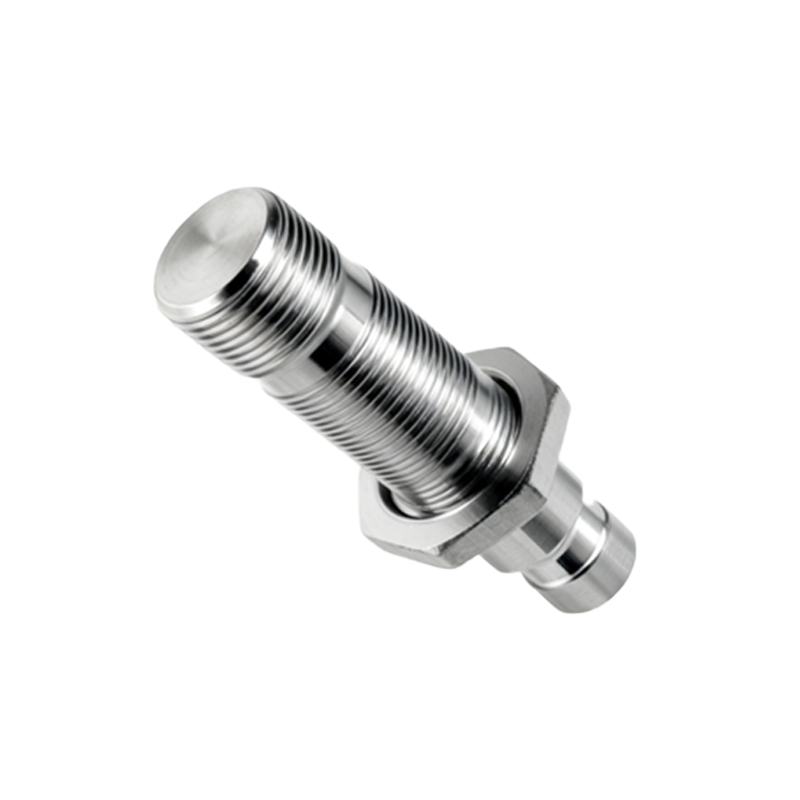
Beyond impact, environmental contaminants pose a significant threat. Industrial settings are rife with dust, dirt, chips, coolant, oil mist, and other particulate matter. When these contaminants accumulate on the active sensing face of a proximity sensor, they can attenuate the electromagnetic field or ultrasonic signal, leading to reduced sensing range, false triggers, or complete failure. A protective cover, especially one with a sealed design or appropriate IP (Ingress Protection) rating, creates a barrier that keeps the sensing face clean. For inductive sensors detecting metals, a metallic cover must be specifically designed with a "non-shielding" front to allow the magnetic field to pass through while still protecting the sides and rear. For capacitive or ultrasonic sensors, covers use non-metallic materials that do not interfere with the sensing field.
Chemical exposure is another critical consideration. Many industrial processes involve oils, greases, solvents, and cleaning agents that can degrade standard sensor plastics and metals, leading to corrosion, swelling, or embrittlement. Bracket covers manufactured from chemically resistant materials such as stainless steel (e.g., SS316), PVDF, or PTFE provide a vital layer of defense. They isolate the sensor from direct splashes or immersion in aggressive fluids, dramatically extending its service life in harsh applications like food processing, chemical plants, or metalworking.
Furthermore, the role of the cover in ensuring electrical safety and noise immunity should not be underestimated. In environments with high electromagnetic interference (EMI) from motors, welders, or variable frequency drives (VFDs), a metal bracket cover can act as a Faraday cage, shielding the sensor and its cabling from electrical noise that could cause erratic signals. Proper grounding of the metal cover is essential for this function. This shielding contributes to stable, reliable signal transmission back to the PLC or controller, which is paramount for maintaining synchronized and safe machine operation.
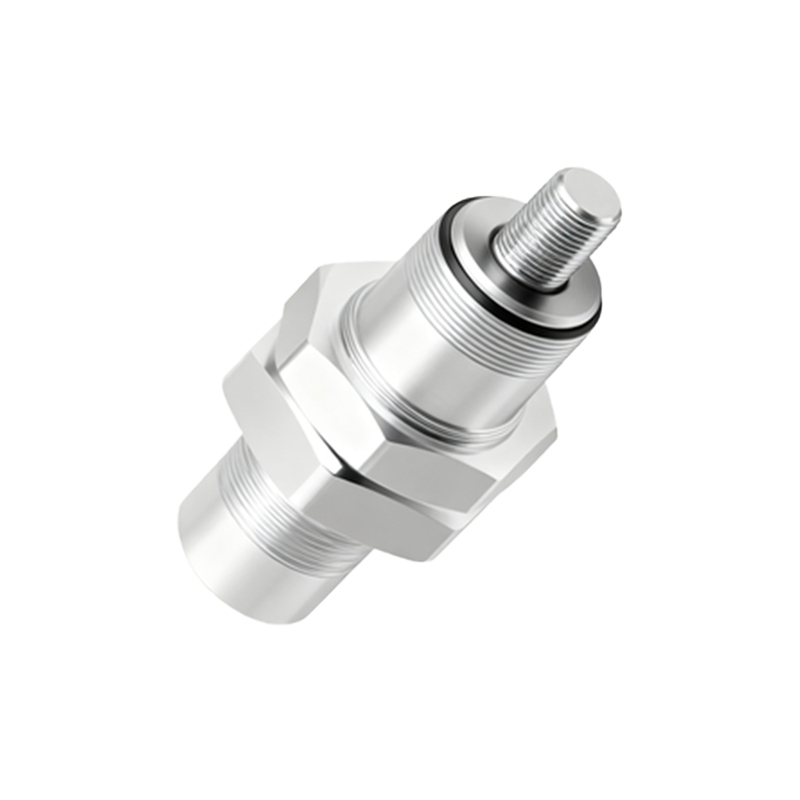
The design and selection of the appropriate cover are as important as its presence. Engineers must consider several factors: the sensor type and its operating principle (inductive, capacitive, ultrasonic, optical); the required sensing range (ensuring the cover does not unduly reduce it); the material of the cover relative to the target; the environmental conditions (IP69K for high-pressure washdown, ATEX for explosive atmospheres); and the mounting configuration. Modern modular bracket systems often allow for the easy integration of standardized protective covers, simplifying inventory and installation.
In conclusion, the proximity sensor bracket cover is a critical component in the holistic design of industrial sensing systems. It is a proactive engineering solution that mitigates risk. By providing comprehensive protection against mechanical damage, environmental contamination, chemical corrosion, and electrical interference, these protective housings transform a sensitive electronic component into a rugged, reliable workhorse. Investing in the correct protective cover is not an added expense but a strategic decision that safeguards productivity, reduces total cost of ownership through fewer replacements and less maintenance, and ultimately protects the larger capital investment in the automated machinery itself. In the relentless world of industry, the smallest shield often guards the most vital functions.