In the demanding environments of modern industrial automation, proximity sensors are indispensable components. They provide non-contact detection of metallic and, in some cases, non-metallic objects, enabling critical functions in machine control, positioning, and safety systems. However, their consistent and reliable operation is not guaranteed by the sensor technology alone. A frequently overlooked yet vital component is the protective housing or sleeve. This article delves into the multifaceted role these housings play in ensuring sensor longevity and system integrity.
The primary function of a protective housing is to serve as a physical barrier against mechanical damage. In environments rife with flying debris, abrasive dust, or accidental impacts from tools or workpieces, the sensor's sensing face and body are vulnerable. A robust housing, typically manufactured from hardened stainless steel, nickel-plated brass, or engineered plastics like PBT or PPS, absorbs these impacts. It prevents dents, cracks, or scratches that could misalign the sensor, alter its sensing field, or lead to complete failure. For cylindrical sensors, threaded barrels or smooth sleeves provide this shield, while rectangular sensors often utilize channel-type mounts.
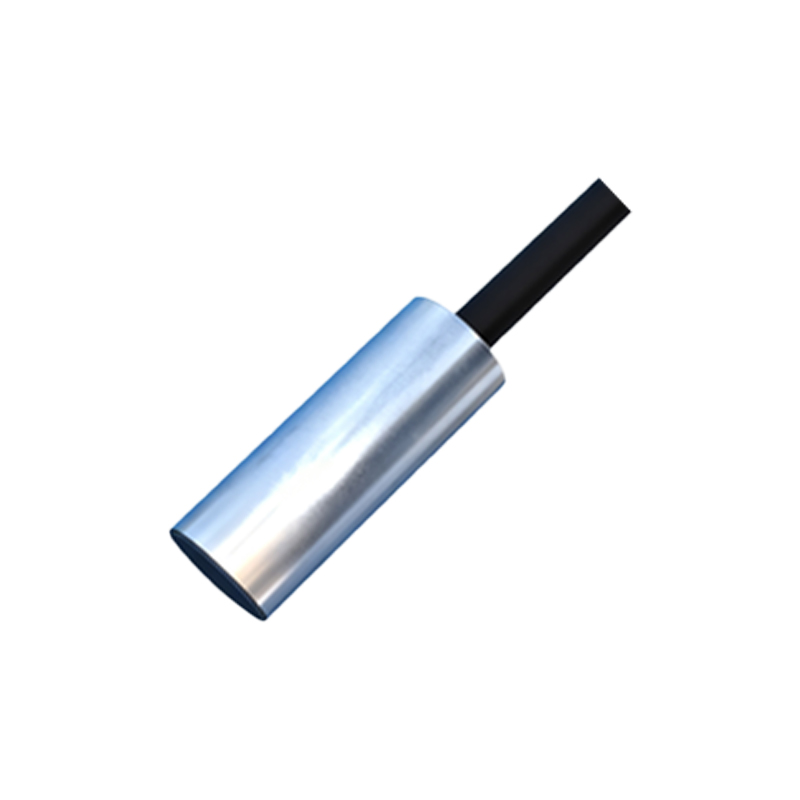
Beyond impact, protection from environmental contaminants is paramount. Industrial settings expose sensors to coolants, oils, cutting fluids, solvents, and corrosive chemicals. A well-sealed housing, often integrated with high-quality O-rings or gaskets, creates a hermetic seal around the sensor body. This prevents these fluids from infiltrating the sensor's internal electronics, which can cause short circuits, corrosion of components, and eventual malfunction. The housing material itself must be chemically resistant to the specific fluids present, ensuring it does not degrade, swell, or become brittle over time.
The intense physical processes in manufacturing, such as welding and metal grinding, present unique hazards. During spot welding, for instance, spatter—molten metal droplets—can adhere to a sensor's face, effectively blinding it. A protective housing, often equipped with a dedicated spatter guard or a sacrificial cap, catches this spatter. These guards are designed for easy removal and replacement, allowing the sensor to continue functioning without costly downtime for cleaning. Similarly, in grinding applications, a housing deflects abrasive particles that could erode the sensor's casing.
Electrical interference is another silent threat. In panels and machinery packed with motors, drives, and power cables, electromagnetic interference (EMI) and radio frequency interference (RFI) can disrupt a sensor's sensitive output signal. Metallic protective housings, when properly grounded, act as a Faraday cage, shielding the internal electronics from this noise. This ensures signal integrity, prevents false triggering, and maintains the precision required for high-speed automation tasks.
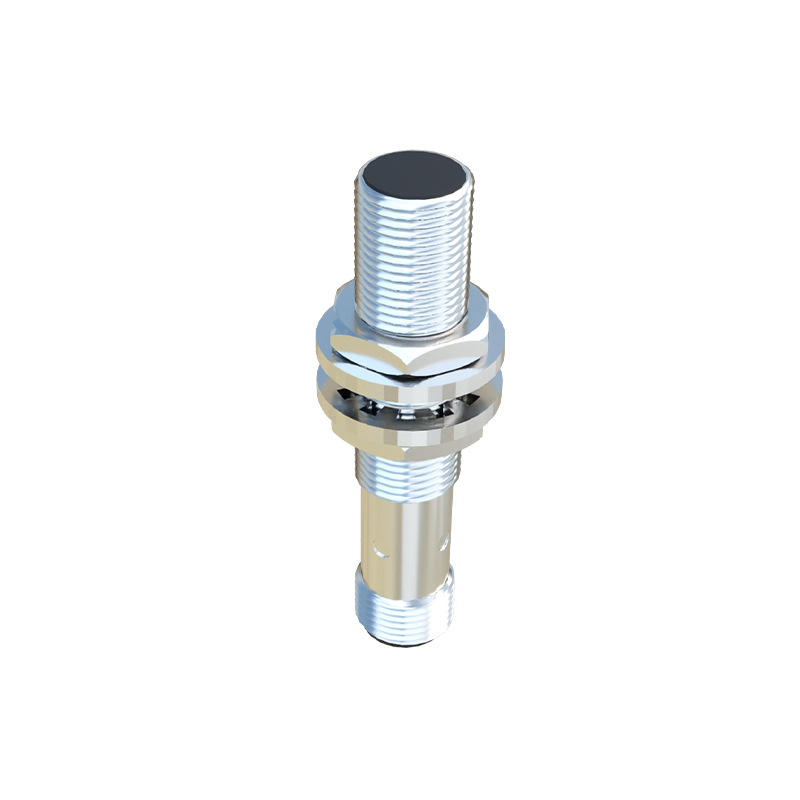
Furthermore, protective housings facilitate easier installation and maintenance. Many housings feature standardized mounting threads or brackets, allowing for quick sensor replacement without recalibrating the entire mount. They also enable the use of sensors in sizes or form factors that might not directly match the mounting hole, providing adaptability. The added layer can also simplify wiring management by offering integrated cable glands or strain relief.
In high-temperature applications, certain housings provide thermal insulation, protecting the sensor from ambient heat that could exceed its operational specifications. Conversely, in washdown environments in food and beverage or pharmaceutical industries, housings rated to IP67, IP68, or IP69K standards ensure the sensor can withstand high-pressure, high-temperature cleaning cycles without ingress of water or cleaning agents.
Neglecting the appropriate protective housing is a false economy. The cost of a housing is minimal compared to the expense of frequent sensor replacement, unplanned production stoppages, and the potential for defective products due to sensor failure. It is an investment in system robustness. Selecting the correct housing requires careful analysis of the application: the nature of physical hazards, types of chemicals, temperature extremes, and required ingress protection rating.
In conclusion, the protective housing is far more than a simple accessory for a proximity sensor. It is an integral, performance-enhancing component. By providing a first line of defense against mechanical, chemical, thermal, and electrical threats, it transforms a sensitive electronic device into a ruggedized, reliable workhorse capable of thriving in the harsh reality of industrial automation. Specifying the right housing is as critical as selecting the sensor itself for achieving optimal uptime and return on investment.