In the realm of modern smartphone design, proximity sensors are unsung heroes, operating silently yet crucially to enhance user experience, conserve power, and prevent unintended interactions. These small, sophisticated components are fundamental to the seamless operation we often take for granted. This article delves into the technology behind these sensors, their operational principles, and their multifaceted applications within mobile devices.
At its core, a proximity sensor is a device that detects the presence or absence of nearby objects without any physical contact. In smartphones, the most prevalent technology employed is the infrared (IR) proximity sensor. A typical IR-based system consists of two key elements: an infrared LED (light-emitting diode) and an infrared photodetector, usually a photodiode or phototransistor. The principle is elegantly straightforward. The IR LED emits a beam of infrared light, which is invisible to the human eye. When an object, such as the user's ear or face, comes close to the phone's screen during a call, this light beam reflects off the object and returns to the photodetector. The sensor's integrated circuitry measures the intensity of the reflected light. A significant increase in intensity indicates a nearby object, triggering a predefined action.
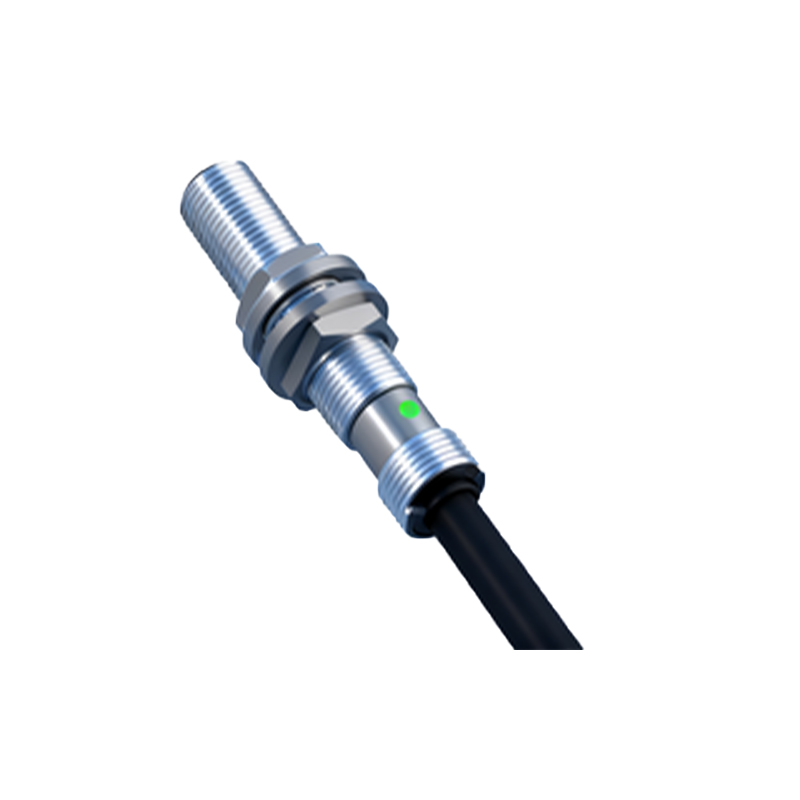
The primary and most recognizable application of this technology is during voice calls. When the phone is held to the ear, the proximity sensor detects the closeness of the user's head and signals the system to turn off the touchscreen display. This serves a dual purpose. First, it prevents accidental screen presses by the cheek or ear—a phenomenon known as "cheek dialing." Second, it contributes significantly to battery conservation by deactivating the power-hungry display for the duration of the call. Once the phone is moved away from the ear, the sensor detects the absence of the object, and the display promptly reactivates, allowing the user to access the keypad or other functions.
Beyond call management, the utility of proximity sensors has expanded. They are integral to modern "pocket mode" or "prevent accidental touch" features. When a smartphone is placed inside a pocket or bag, the sensor, often working in tandem with the ambient light sensor, can detect the dark, enclosed environment and the potential proximity of fabric. The system can then automatically lock the touchscreen or ignore all touches until the device is retrieved, preventing unintended app launches, calls, or camera activations. This protects both battery life and user privacy.
Another innovative application is found in gesture control. Some advanced implementations allow users to perform simple actions, like silencing an incoming call or scrolling through a photo gallery, by waving a hand over the sensor area without touching the screen. This is particularly useful when hands are wet or dirty. Furthermore, in always-on display (AOD) implementations, the proximity sensor can help determine when the phone is face down on a table or inside a case, allowing the system to turn off the AOD to save power.
The technology is not without its engineering challenges. Sensor performance can be affected by external factors such as bright sunlight, which contains a high degree of infrared radiation and can "blind" the photodetector. Similarly, highly reflective or absorbent surfaces may not reflect IR light predictably. Manufacturers combat these issues through sophisticated algorithms, calibration during assembly, and sometimes by using multiple sensors or combining data from other sensors (like the accelerometer) to make more accurate contextual decisions. Modern sensors are also designed to be extremely low-power to minimize their impact on the device's overall battery life.
Looking forward, the role of proximity sensing is evolving. With the advent of under-display camera technology, sensor placement is becoming more challenging, pushing innovation for smaller, more discrete sensors or alternative sensing methods. Time-of-Flight (ToF) sensors, which measure the time for light to reflect back, offer higher accuracy and can map depth, potentially enabling new forms of proximity-based interactions and augmented reality features.
In conclusion, the proximity sensor is a quintessential example of how a simple, reliable piece of hardware, driven by intelligent software, solves practical problems and enables smoother human-device interaction. Its continuous evolution remains a key focus in smartphone engineering, ensuring our devices are not only smarter but also more intuitive and energy-efficient. From preventing embarrassing pocket calls to enabling futuristic gestures, this tiny component continues to play an outsized role in the smartphone experience.