Proximity sensors are essential components in modern industrial automation and electronic systems. These devices detect the presence or absence of objects without physical contact, offering high reliability, durability, and precision. Their applications span across various industries, enhancing efficiency, safety, and functionality. Below, we explore the common uses of proximity sensors in detail.
In manufacturing and industrial automation, proximity sensors play a critical role. They are widely employed in assembly lines to detect the position of parts, ensuring accurate placement and timing. For instance, in automotive manufacturing, sensors monitor the movement of components like engine parts or body panels, triggering actions such as welding or painting when an object is within range. This reduces errors and increases production speed. Additionally, in packaging machinery, sensors verify the presence of items on conveyor belts, preventing jams and optimizing workflow.
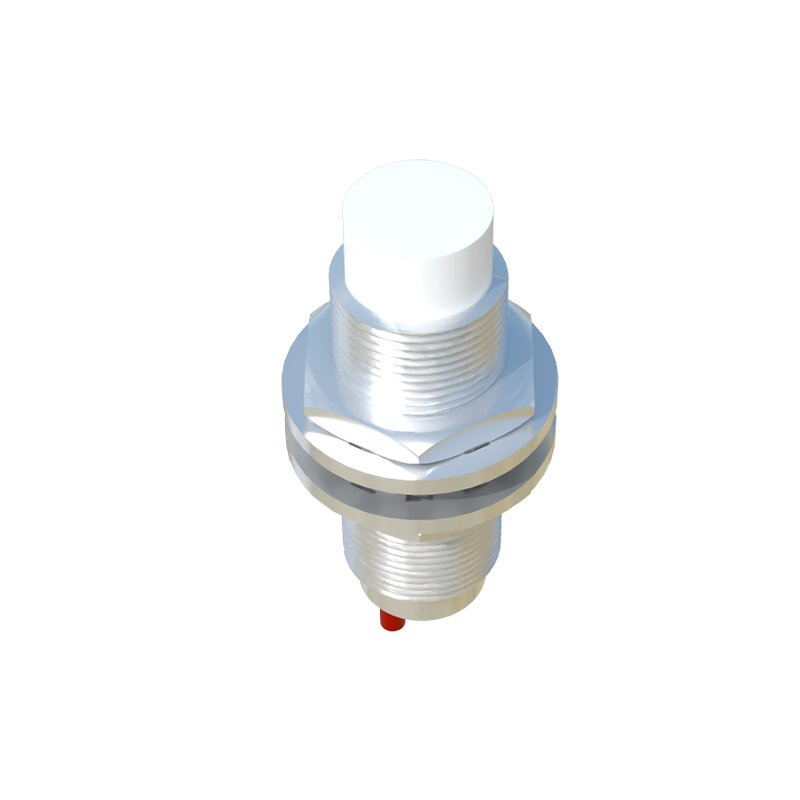
Material handling systems heavily rely on proximity sensors for object detection and positioning. In warehouses and logistics centers, sensors help manage automated guided vehicles (AGVs) by detecting obstacles or guiding paths, preventing collisions and ensuring smooth operations. They also assist in robotic arms used for picking and placing goods, enabling precise movements without direct contact, which minimizes wear and tear.
The automotive industry utilizes proximity sensors extensively beyond manufacturing. In vehicles, these sensors are integrated into safety and convenience features. For example, parking assistance systems use ultrasonic or inductive proximity sensors to measure distances from obstacles, alerting drivers to avoid collisions. Similarly, sensors in automatic doors detect approaching passengers, opening and closing seamlessly to enhance accessibility.
In consumer electronics, proximity sensors contribute to user-friendly interfaces. Smartphones incorporate these sensors to turn off screens during calls when held near the ear, saving battery life and preventing accidental touches. Home appliances like washing machines use sensors to detect load levels, adjusting water usage accordingly for efficiency.
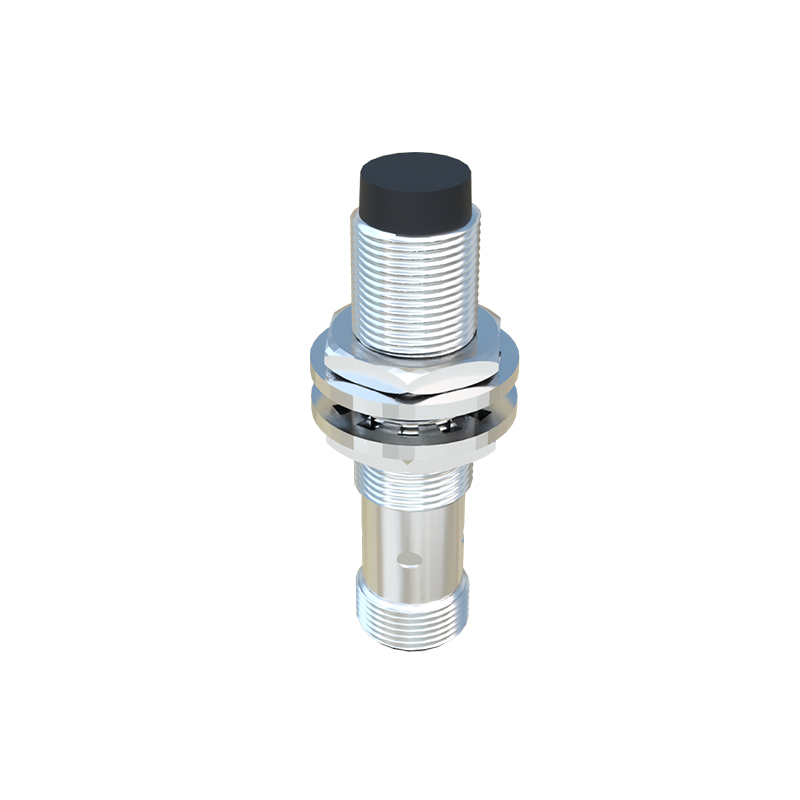
Building automation and security systems benefit from proximity sensors as well. In access control, sensors detect keycards or smartphones to unlock doors, improving security without manual intervention. Lighting systems use sensors to turn lights on or off based on occupancy, reducing energy consumption in offices or homes.
Medical equipment also employs proximity sensors for precision and hygiene. In devices like infusion pumps or diagnostic machines, sensors ensure accurate positioning of components without contamination risks, critical in sterile environments. They help monitor patient movements in beds or wheelchairs, alerting staff to potential falls.
Overall, proximity sensors are versatile tools that drive innovation across sectors. Their non-contact nature makes them ideal for harsh environments where dust, moisture, or temperature extremes exist. As technology advances, applications continue to expand, from aerospace to agriculture, solidifying their importance in modern engineering. For professionals in the electrical and automation fields, understanding these uses is key to designing efficient systems.