Proximity sensors are indispensable components in modern industrial automation, robotics, and safety systems. Their ability to detect the presence or absence of objects without physical contact ensures reliability, longevity, and efficiency in countless applications. However, selecting and applying the right proximity sensor requires careful attention to several critical factors to avoid operational failures, reduced accuracy, or unnecessary costs.
First and foremost, understanding the sensing technology is essential. Inductive sensors detect metallic objects, capacitive sensors can detect both metallic and non-metallic materials, ultrasonic sensors use sound waves for detection, and photoelectric sensors rely on light beams. Each technology has distinct advantages and limitations. For instance, inductive sensors are highly reliable in dirty or wet environments but are ineffective for non-metallic targets. Capacitive sensors, while versatile, can be influenced by environmental humidity or material density changes. Misapplication of technology leads to false triggers or missed detections, compromising system integrity.
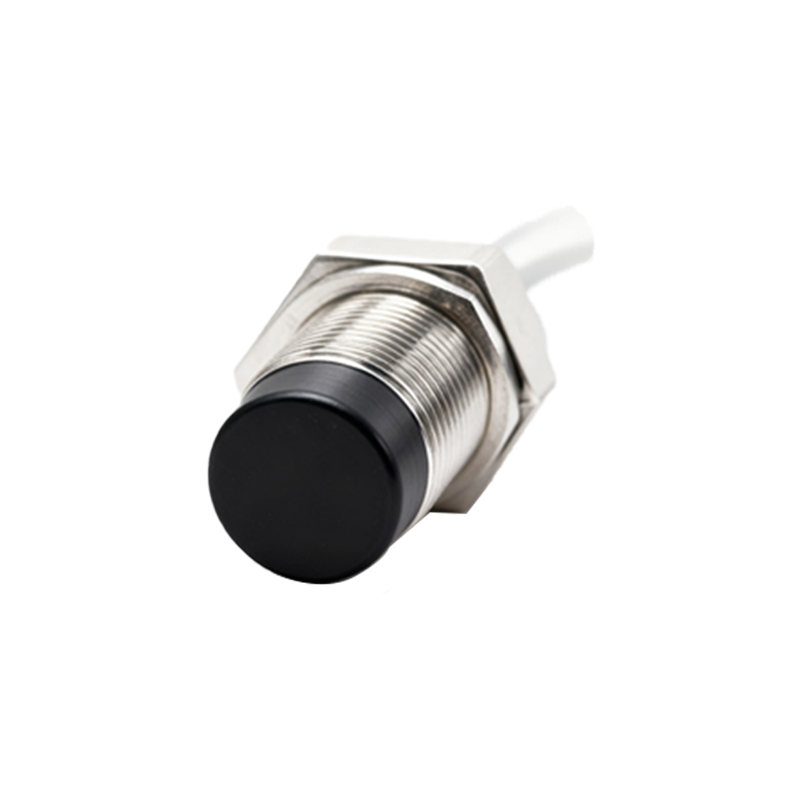
Environmental conditions play a pivotal role in sensor performance. Factors such as temperature extremes, humidity, dust, oil, chemical exposure, and electromagnetic interference (EMI) can severely impact sensor operation. Industrial-grade sensors often come with IP (Ingress Protection) ratings indicating their resistance to solids and liquids. For harsh environments, selecting sensors with high IP ratings (e.g., IP67 or IP69K) is crucial. Additionally, sensors should be rated for the specific temperature range of the application. In areas with high EMI, shielded cables and proper grounding are necessary to prevent signal disruption.
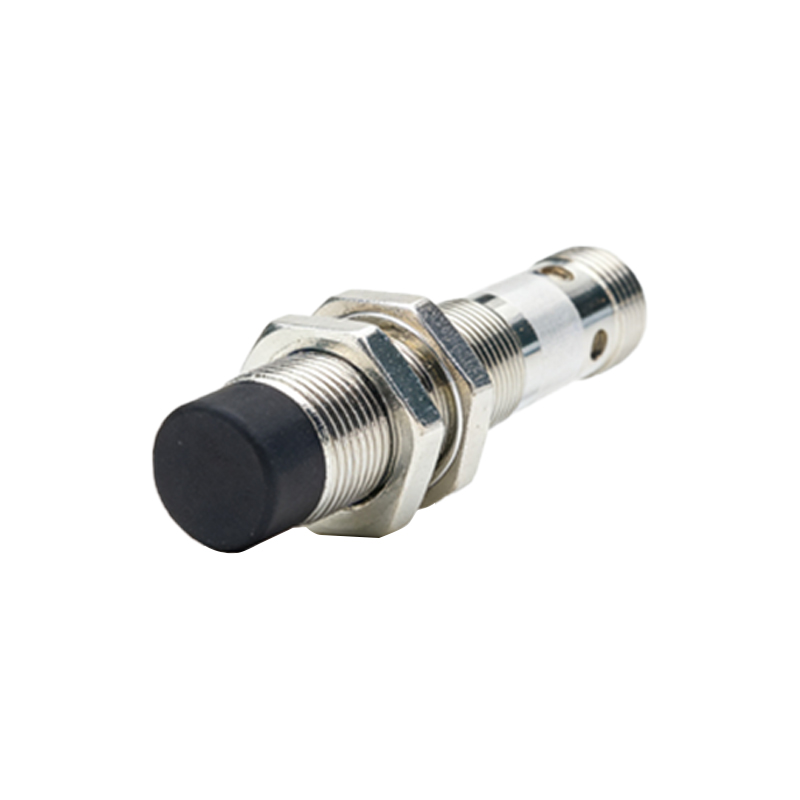
The target material and characteristics directly influence sensor selection. For inductive sensors, the type of metal (ferrous or non-ferrous) and its size affect the sensing distance. Capacitive sensors respond differently to various materials based on dielectric constants. Surface color, reflectivity, and transparency matter for photoelectric sensors. It is advisable to consult sensor datasheets for correction factors and perform real-world testing with the actual target material under operating conditions to verify performance.
Mounting and installation considerations are often overlooked but are vital for optimal functionality. Incorrect mounting can cause shielding effects, reduced sensing ranges, or physical damage. Ensure adequate clearance between sensors to prevent mutual interference, especially with inductive or ultrasonic types. Follow manufacturer guidelines for embeddable or non-embeddable mounting styles. Proper alignment is critical for through-beam photoelectric sensors, while diffuse sensors require stable ambient light conditions. Vibration-resistant mounting hardware may be needed in high-vibration settings to maintain alignment.
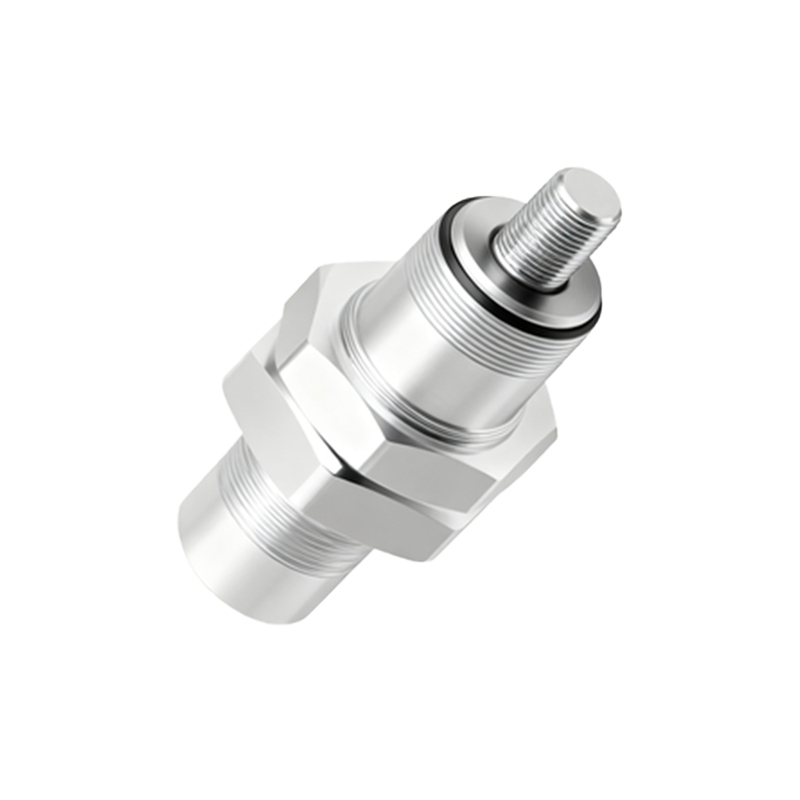
Electrical specifications must match the control system requirements. Key parameters include operating voltage (e.g., 10-30 VDC, 90-250 VAC), output type (PNP/NPN, analog, IO-Link), and load current. Using an incorrect voltage can damage the sensor or connected equipment. Output compatibility with PLCs or controllers is essential—PNP (sourcing) and NPN (sinking) configurations are not interchangeable without proper interface circuits. For analog sensors, ensure the resolution and response time meet process needs. Overcurrent protection and short-circuit resilience are desirable features to enhance system durability.
Maintenance and lifecycle management ensure long-term reliability. Although proximity sensors are generally maintenance-free, periodic checks for physical damage, contamination buildup, or connector corrosion are recommended. Leveraging sensors with diagnostic capabilities (e.g., via IO-Link) can provide predictive maintenance alerts, reducing downtime. Always consider the mean time between failures (MTBF) and availability of spare parts when selecting sensors for critical applications.
Finally, regulatory and safety standards cannot be ignored. In industries like automotive, food processing, or pharmaceuticals, sensors may need compliance with specific standards (e.g., ATEX for explosive atmospheres, FDA-approved materials for food contact). Safety-rated sensors (e.g., SIL or PL certified) are mandatory for applications involving personnel protection or emergency stops.
In summary, successful proximity sensor implementation hinges on a holistic approach: choosing the right technology for the target and environment, ensuring robust installation, verifying electrical compatibility, and adhering to safety norms. Neglecting any of these aspects can lead to operational inefficiencies, increased costs, or safety hazards. Always refer to manufacturer documentation and, when in doubt, consult with application engineers to tailor the solution to your specific needs.