Proximity sensors are critical components in modern agricultural machinery, playing a vital role in ensuring the operational efficiency, safety, and reliability of equipment like Lovol combine harvesters. As an electrical engineer specializing in industrial and agricultural applications, a deep understanding of these sensors' function, integration, and troubleshooting is essential for maintaining peak harvester performance. This guide delves into the technical specifics of proximity sensors within the context of Lovol's harvesting systems.
At its core, a proximity sensor in a Lovol combine is a non-contact electronic device designed to detect the presence or absence of a metallic target without physical interaction. This is paramount in the harsh, dusty, and vibratory environment of harvesting. Common applications include monitoring the rotational speed of shafts (e.g., the main drum or feeder house), detecting the position of critical components like sieves or chokes, ensuring proper engagement of drives, and providing safety interlocks for access panels. The avoidance of mechanical contact eliminates wear and tear, significantly enhancing longevity and reducing maintenance downtime.
Lovol harvesters predominantly utilize inductive proximity sensors. These sensors generate an electromagnetic field. When a ferrous metal target (like a gear tooth, bolt head, or specially mounted flag) enters this field, eddy currents are induced in the target, causing a change in the sensor's internal oscillation amplitude. This change is processed by the sensor's circuitry, resulting in a clean, digital output signal—typically a switch from 0V to the system's supply voltage (often 12V or 24V DC). Key specifications engineers must verify include sensing distance (e.g., 2mm, 5mm, 8mm), output type (PNP vs. NPN, normally open vs. normally closed), housing material (often nickel-plated brass or stainless steel for corrosion resistance), and ingress protection rating (IP67 or higher is standard to withstand dust and water jets).
Integration into the harvester's control system is a key consideration. The sensor's output is fed into the main vehicle Controller Area Network (CAN) bus via local controllers or input modules. This data is crucial for the combine's logic. For instance, a sensor monitoring the straw walker crank may provide speed feedback; a deviation from the expected pulse frequency can trigger a warning for potential overload or blockage. Similarly, a sensor on a service door acts as a safety switch, preventing the engine from starting or certain functions from operating if the door is ajar.
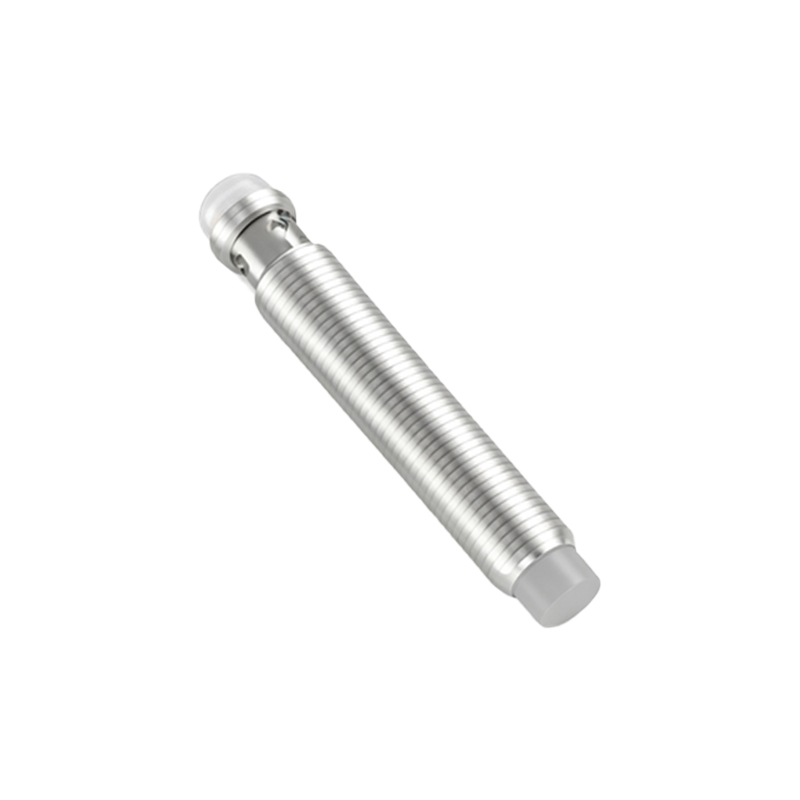
Installation and alignment are critical for reliable operation. The sensor must be mounted securely to resist vibration, with the correct gap (usually 50-80% of the rated sensing distance) maintained between its active face and the target. The target must be of adequate size and material. Misalignment or accumulation of conductive material (like chaff mixed with moisture) on the sensor face can cause false triggering or failure to detect. Wiring integrity is equally important; cables must be routed away from high-current lines to prevent electromagnetic interference, and connections must be sealed against moisture.
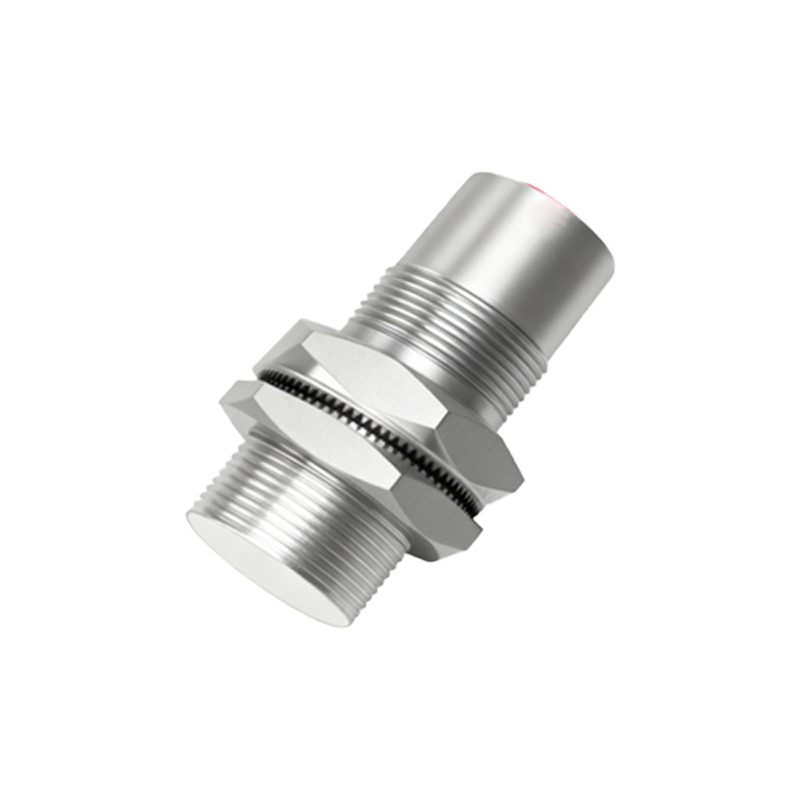
Troubleshooting typically involves a systematic approach. First, verify power supply at the sensor connector. Next, use a multimeter to check the output signal while manually cycling the target past the sensor face. A healthy sensor will show a clear voltage transition. Oscilloscopes can be used to analyze the waveform for consistency, especially for speed-sensing applications where pulse shape matters. Persistent issues may point to a damaged sensor, faulty target, or problems in the wiring harness or controller input. Always consult the specific Lovol technical manual for wiring diagrams and diagnostic trouble codes, as system architectures can vary between models.
Future trends involve the increasing use of more sophisticated sensors, such as analog or IO-Link capable inductive sensors, which can provide distance-proportional information rather than just a simple on/off signal. This could enable more precise monitoring of clearance or wear. However, the robustness and simplicity of standard digital inductive sensors ensure they will remain a staple in harvester design for the foreseeable future.
For the field engineer, mastering the intricacies of Lovol's proximity sensor networks is not just about fixing faults; it's about proactive system understanding. Regular inspection of sensors and their targets during seasonal maintenance, ensuring clean electrical connections, and understanding the operational logic they enable are fundamental practices. This knowledge directly translates to minimizing unplanned stops during critical harvest windows, protecting expensive mechanical components from damage, and ensuring the safety of operators—the ultimate goals of any agricultural machinery electrical system.