Magnetic door switches, often referred to as reed switches or magnetic contact switches, are fundamental components in electrical and security systems. These devices operate on a simple yet reliable principle: a magnetic reed switch housed within one unit closes or opens an electrical circuit when influenced by a magnet embedded in a separate, adjacent unit. This action typically occurs when a door or window is opened or closed, making them indispensable for monitoring access points.
The core mechanism involves two ferromagnetic reeds sealed within a glass tube filled with an inert gas. When an external magnetic field from the companion magnet is brought near, the reeds attract each other, making contact and completing the circuit. Once the magnet moves away, the reeds spring back to their original position, breaking the circuit. This binary operation—closed or open—generates a signal that can be interpreted by control panels, alarm systems, or automation controllers.
Several types of magnetic door switches are available, each suited to specific environments and requirements. The most common is the surface-mounted switch, which is easy to install on door or window frames and leaves. For more discreet applications, recessed or concealed models can be embedded into the frame, offering a cleaner aesthetic and added tamper resistance. Additionally, switches are categorized by their electrical configuration: normally open (NO) switches close the circuit when the magnet is present (door closed), while normally closed (NC) switches open the circuit under the same condition, providing a fail-safe option for security systems. Environmental ratings are crucial; standard switches may suffice for indoor use, but for outdoor or harsh industrial settings, models with high IP (Ingress Protection) ratings, such as IP65 or IP67, are necessary to withstand dust, moisture, and temperature fluctuations.
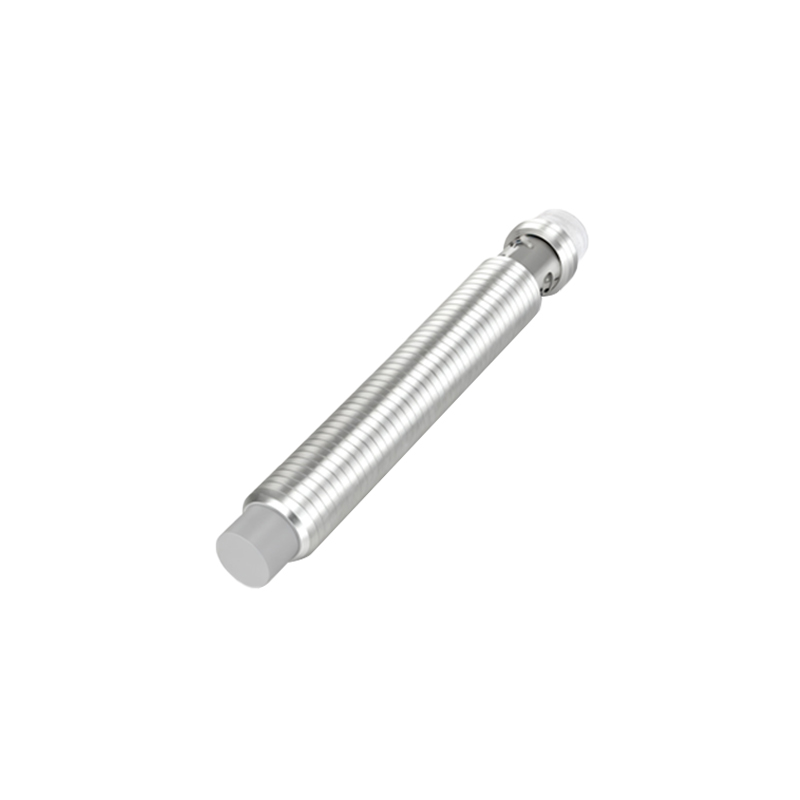
In practical applications, magnetic door switches serve diverse roles across industries. In security and access control, they are integral to burglar alarms, triggering alerts if a protected door is opened unauthorized. In building automation, they help manage energy efficiency by controlling lighting or HVAC systems based on door status—for instance, turning off lights when a room is unoccupied. Industrial environments utilize them for machine safety interlocks, ensuring equipment only operates when access doors are securely closed, thereby preventing accidents. Furthermore, in retail and commercial settings, they can monitor freezer or refrigerator doors to ensure proper closure, aiding in compliance and loss prevention.
Selecting the appropriate magnetic door switch requires careful consideration of several technical and operational factors. First, assess the operating voltage and current ratings to ensure compatibility with the existing control system—common ratings range from low-voltage DC circuits (e.g., 12V) to higher AC loads. The gap tolerance, or maximum distance between the switch and magnet for reliable operation, is critical; typical gaps vary from 10mm to 50mm, with wider gaps suitable for doors that may shift over time. Material durability is another key aspect; switches housed in rugged plastics or metals offer better resistance to physical impact and UV exposure. For specialized needs, consider features like bi-stable latching switches, which maintain state without constant magnetic influence, or wireless models that simplify installation in retrofit projects. Always verify certifications, such as UL or CE markings, to ensure compliance with regional safety standards.
Installation and maintenance are straightforward but demand attention to detail. Mount the switch and magnet in precise alignment on the door and frame, ensuring they are parallel and within the specified gap when closed. Use appropriate fasteners for the surface material—wood, metal, or concrete—to prevent loosening from vibration or frequent use. During wiring, follow the manufacturer’s diagram to connect to the control panel, typically using low-voltage cables for security loops. Regular testing is essential; simulate door openings to confirm signal transmission and inspect for signs of wear, corrosion, or misalignment. In high-traffic areas, periodic cleaning of contacts and magnet surfaces can prevent false triggers caused by debris accumulation.
Despite their simplicity, magnetic door switches are prone to common issues if not properly specified or installed. False alarms may arise from weak magnets, excessive gap distances, or interference from nearby magnetic sources. To mitigate this, choose switches with shielded designs or adjustable sensitivity. Another challenge is mechanical failure due to brittle glass enclosures in reed switches; in such cases, opting for robust, epoxy-encapsulated versions can enhance longevity. For environments with strong vibrations, such as industrial machinery areas, consider solid-state magnetic sensors that lack moving parts, offering higher reliability.
Looking ahead, advancements in magnetic door switch technology focus on integration with smart systems. Modern switches increasingly incorporate IoT capabilities, enabling wireless connectivity to cloud platforms for real-time monitoring and data analytics. These smart sensors can provide not just open/close status but also diagnostic information, such as battery life or tamper attempts, enhancing predictive maintenance. Additionally, the development of low-power, energy-harvesting designs allows for