In the intricate world of industrial automation and control systems, proximity switch sensors stand as silent sentinels, detecting the presence or absence of objects without physical contact. While the internal electronics—the oscillator, trigger circuit, and output driver—often receive the most attention, the external housing plays an equally vital, though frequently underappreciated, role. Among various housing materials, copper, particularly in alloyed forms like brass or bronze, is a premier choice for demanding applications. Its function extends far beyond mere physical protection, constituting a cornerstone of sensor reliability, performance, and longevity.
The primary and most critical function of a copper housing is its role as an electromagnetic shield. Proximity sensors, especially inductive types, operate by generating a high-frequency electromagnetic field. This field is susceptible to external interference from sources such as motors, variable frequency drives (VFDs), welding equipment, and other sensors operating in close proximity. Unchecked, this electromagnetic interference (EMI) or radio frequency interference (RFI) can cause false triggering, reduced sensing distances, or complete operational failure. Copper, being an excellent conductor of electricity, acts as a Faraday cage. When the housing is properly grounded, it effectively absorbs and dissipates these external interfering fields, channeling the energy safely to ground. This shielding ensures the sensor's internal oscillator operates in a stable, "clean" environment, maintaining precise and repeatable switching characteristics. The superior conductivity of copper, compared to alternatives like stainless steel or plastic, makes it exceptionally effective in harsh electromagnetic environments common in facilities like automotive plants or metal fabrication shops.
Beyond EMI shielding, the material properties of copper alloys contribute significantly to mechanical and environmental robustness. Proximity sensors are often installed in locations subject to vibration, mechanical shock, and incidental contact. Copper housings, especially those made from robust alloys, offer excellent impact resistance and structural integrity, protecting the delicate glass-filled epoxy resin that encapsulates the sensing coil and electronics. Furthermore, copper provides inherent corrosion resistance. While pure copper can oxidize, alloys like brass (copper-zinc) and bronze (copper-tin) are engineered to resist corrosion from oils, coolants, mild chemicals, and atmospheric moisture. This is crucial for sensors deployed in machine tools, food and beverage processing (where washdowns occur), or marine applications. The housing must not degrade, as corrosion could compromise the seal integrity, leading to ingress of contaminants.
Thermal management is another subtle yet important function. Electronic components within the sensor generate heat during operation. In high-duty-cycle applications, this heat must be dissipated to prevent drift in operational parameters or premature component aging. Copper's high thermal conductivity allows the housing to act as a heat sink, drawing thermal energy away from the core electronics and dispersing it into the surrounding environment or mounting structure. This passive cooling effect enhances the sensor's operational stability and extends its service life, particularly in high-temperature ambient conditions.
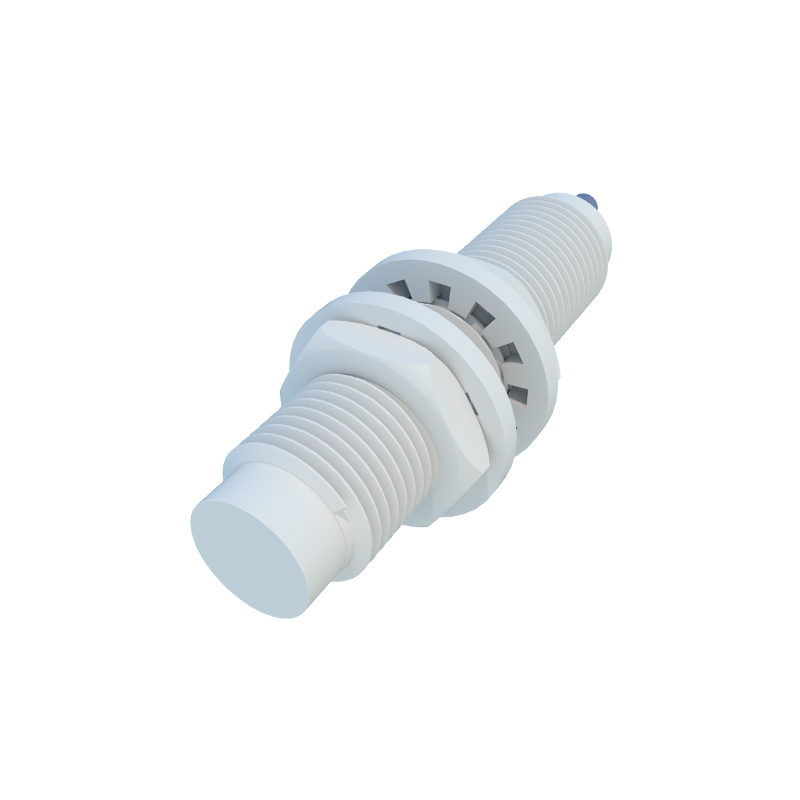
The design and manufacturing of the copper housing also directly influence the sensor's sensing field characteristics. For inductive proximity sensors, the oscillating electromagnetic field emanates from the front face. The geometry, thickness, and composition of the housing material around this active face can affect the shape and reach of the sensing field. Engineers meticulously design the housing profile to optimize the field for the intended target material (e.g., ferrous or non-ferrous metals). A well-designed copper alloy housing ensures a consistent and predictable sensing range, which is a key performance specification for system integrators.
Finally, the choice of a copper housing impacts installation and long-term reliability. The material allows for precise machining, enabling the creation of robust threads for secure mounting in standard metric or NPT conduit entries. A solid metal housing also provides an excellent ground path when connected to a grounded metal mounting bracket, which is essential for both safety and optimal EMI shielding performance. Over years of service, the durability of copper ensures that the sensor body does not become brittle or crack, maintaining its IP (Ingress Protection) or NEMA rating against dust and water.
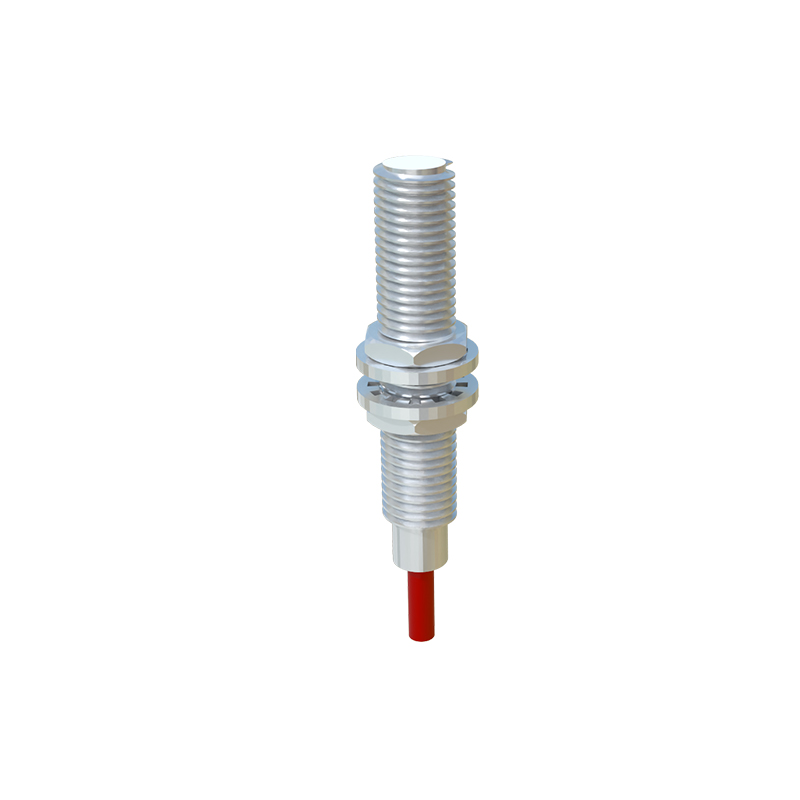
In conclusion, the copper housing of a proximity switch sensor is not a simple cover but a multifunctional, engineered component. It serves as an indispensable electromagnetic shield, a robust mechanical protector, a corrosion-resistant barrier, a passive thermal manager, and a factor in defining sensing performance. Specifying a proximity sensor with a high-quality copper alloy housing is an investment in signal integrity, reduced downtime, and sustained accuracy in the electrically noisy and physically challenging landscapes of modern industrial automation. It is the unsung hero that allows the sophisticated internal electronics to perform their detection duties flawlessly, day in and day out.