In the world of industrial automation and electrical engineering, proximity sensors are indispensable components. Selecting the right sensor for an application often begins with deciphering its model number. To the uninitiated, these alphanumeric codes can seem like cryptic jargon. However, they are a standardized language, a concise data sheet encoded into the label. Understanding this nomenclature is crucial for specifying, purchasing, and integrating these devices correctly. This guide breaks down the typical elements found in proximity sensor model numbers, empowering engineers to make informed decisions.
A standard model number is not random; it is a structured sequence that conveys key specifications. While manufacturers have their own unique coding systems, common patterns emerge across the industry. Generally, the model number can be segmented into sections representing the sensor family, sensing technology, physical form, output type, sensing range, connection method, and special features.
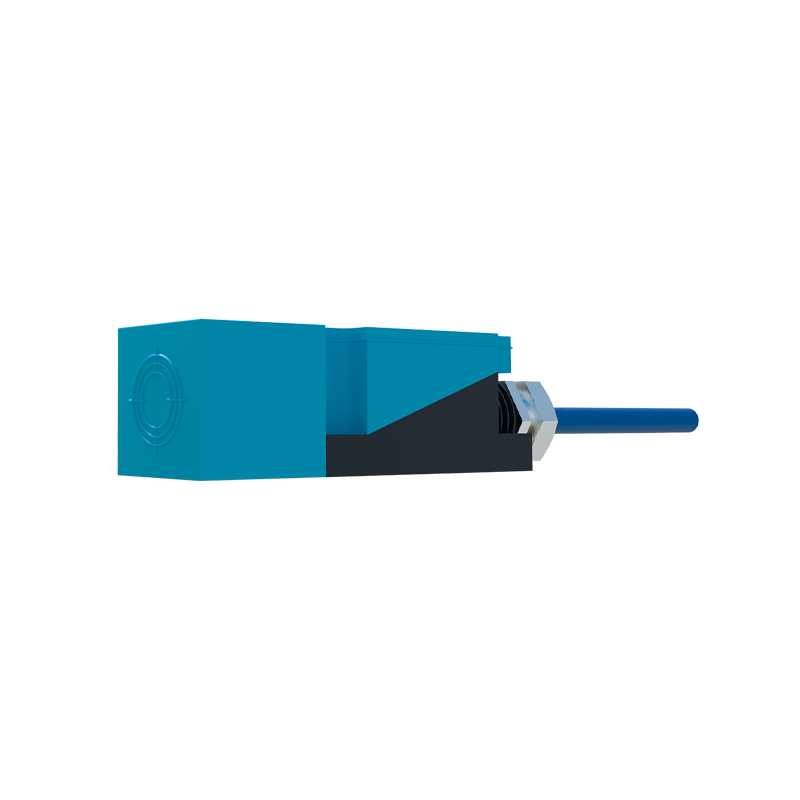
The prefix of the model number usually identifies the sensor family or series. This indicates the manufacturer's specific product line, which may share common design philosophies, housing materials, or performance tiers. For instance, a series might be dedicated to high-temperature applications or particularly rugged environments. Following this, one or two letters often denote the sensing technology. The most common types are:
I: Inductive proximity sensor (for detecting metallic objects).
C: Capacitive proximity sensor (for detecting both metallic and non-metallic materials like liquids, wood, or plastics).
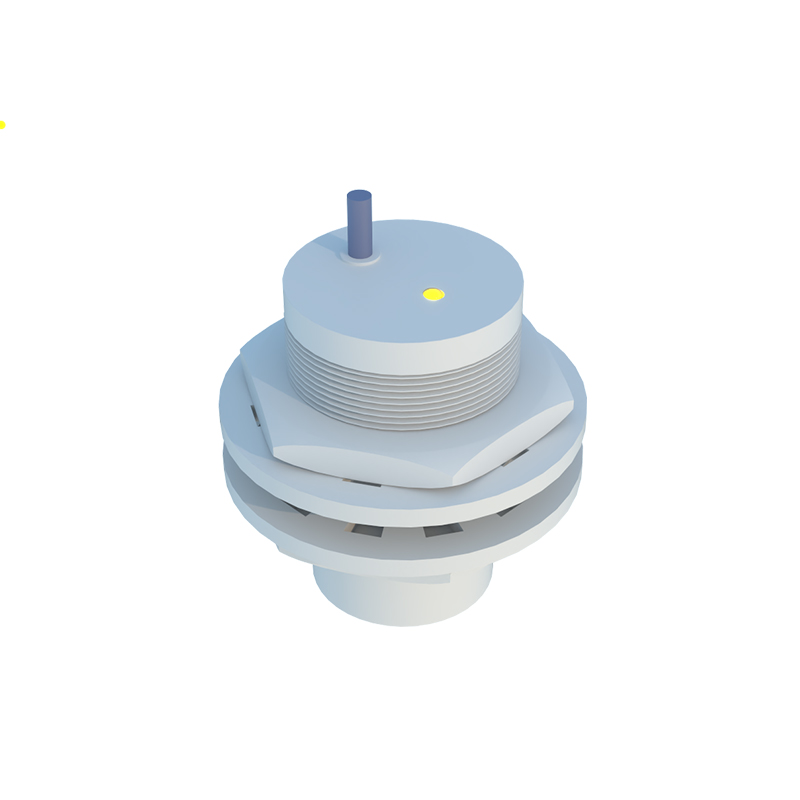
U: Ultrasonic proximity sensor (using sound waves for distance measurement and object detection).
O: Optical sensor (including through-beam, retro-reflective, and diffuse reflective types, though often listed separately).
The next segment frequently describes the housing shape and size. This is critical for mechanical integration. Codes like "M8", "M12", "M18", or "M30" are universal, referring to the cylindrical housing's threaded diameter in millimeters. Rectangular or block-style sensors will have codes indicating their dimensions or standard form factors (e.g., 40x40mm). This part directly answers the question: "Will it fit in the allocated space?"
Subsequent characters define the electrical output configuration. This is paramount for circuit design. Common codes include:
NPN: Sinking output (common in Asia and Europe).
PNP: Sourcing output (common in North America and Europe).
2-wire AC/DC: Two-wire devices that function similarly to a switch in the circuit.
A: Analog output (e.g., 4-20mA, 0-10V) for proportional distance measurement.
NO/NC: Normally Open or Normally Closed contact logic.
The sensing distance, a fundamental parameter, is often embedded in the model number. For a standard inductive sensor, a code like "2" might indicate a 2mm range, "5" for 5mm, and "8" for 8mm. Some manufacturers use a multiplier or a specific code table. It's essential to cross-reference this with the datasheet, as the rated operating distance is defined for a standard target (usually mild steel for inductive sensors).
The connection method is another key detail. Codes may specify:
C: Connector version (with a quick-disconnect plug).
L: Cable version (with a fixed, pre-attached cable of a stated length, e.g., 2m).
Specific connector types (e.g., M12 4-pin, M8 3-pin).
Finally, suffixes often indicate special features or variants. These can include:
S: Shielded (flush-mountable). The sensing face can be mounted flush in metal without affecting performance.
U: Unshielded (non-flush mountable). Requires a free space around the sensing face.
IP67, IP68, IP69K: Ingress Protection ratings for dust and water resistance.
V: Resistant to welding fields or other electromagnetic interference.
T: Enhanced temperature range.
Let's deconstruct an example model: "IPS-M18-8PNS-C3".
IPS: Inductive Proximity Sensor series.
M18: 18mm cylindrical threaded barrel.
8: 8mm nominal sensing range.
PNP: PNP (sourcing) transistor output.
S: Shielded (flush-mountable).
C3: M12 3-pin connector.
Therefore, this sensor is an inductive, flush-mountable, 18mm cylinder with an 8mm range, PNP output, and a standard M12 connector.
In conclusion, a