Proximity sensors are indispensable components in modern industrial automation, offering non-contact detection of objects within a specified range. Their ability to function reliably in harsh environments—amidst dust, moisture, and extreme temperatures—makes them superior to mechanical limit switches. The selection of the correct proximity sensor model is critical for system efficiency, safety, and cost-effectiveness. This article details the primary types of proximity sensor models available, categorized by their underlying sensing technology, and explores their typical industrial applications.
The most fundamental categorization is based on the physical principle used for detection. The first major type is the Inductive Proximity Sensor. These sensors generate an electromagnetic field and detect the eddy currents induced in a metallic target. Consequently, they are exclusively for detecting ferrous (iron, steel) and non-ferrous (aluminum, copper, brass) metals. Key model variations within this category are distinguished by their sensing range, housing style (e.g., cylindrical barrel, rectangular block), and output configuration (e.g., NPN sinking, PNP sourcing, NO/NC). Standard shielded (flush-mountable) models allow installation in metal without affecting the sensing field, while unshielded (non-flush) models offer longer sensing distances. Typical inductive sensor models, such as the cylindrical M8, M12, M18, and M30 series, are workhorses in metalworking, machine tools, and automotive assembly lines for tasks like part presence verification, counting, and end-of-travel detection.
The second major type is the Capacitive Proximity Sensor. These sensors can detect both metallic and non-metallic materials—including liquids, plastics, glass, wood, and granules—by measuring changes in capacitance. They operate by generating an electrostatic field. The introduction of any material with a dielectric constant different from air alters this field, triggering the sensor. Models are often adjustable in sensitivity to handle different materials and to ignore background interference. Common housing styles are similar to inductive models. Capacitive sensors are vital in packaging, food and beverage, chemical, and pharmaceutical industries. Specific models are designed for level detection in silos or tanks (for liquids, powders, or granules), detecting filled bottles on a conveyor, or sensing the presence of plastic or glass containers.
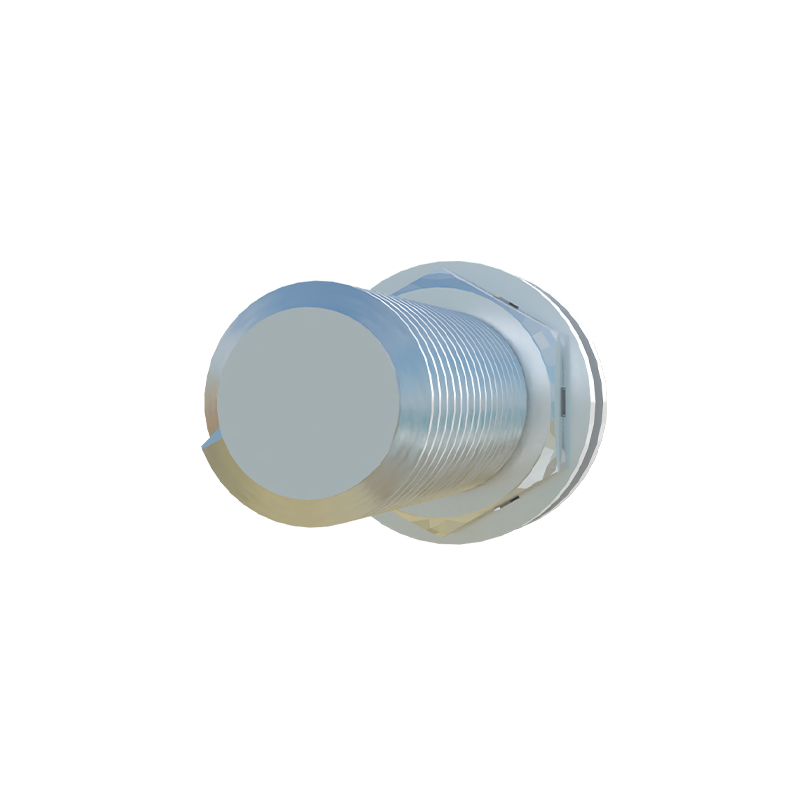
Ultrasonic Proximity Sensors form the third core category. They operate on the time-of-flight principle, emitting high-frequency sound waves and measuring the time for the echo to return. This technology allows for the detection of objects regardless of material, color, or transparency, and can also measure distance. Models vary in sensing range (from a few centimeters to several meters), beam angle, and output type (analog 4-20mA/0-10V or discrete switching). They are particularly useful where other sensors struggle, such as detecting clear glass, monitoring transparent film tension, or controlling the loop of a web in paper processing. In logistics, ultrasonic models are used for pallet stacking height control and obstacle detection on AGVs (Automated Guided Vehicles).
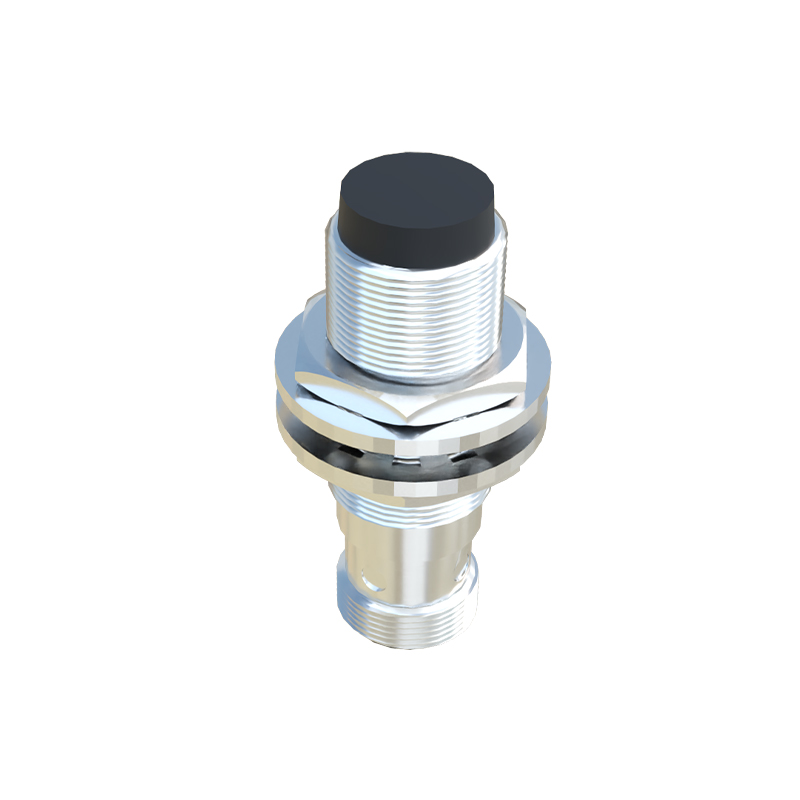
Magnetic Proximity Sensors, specifically reed switch or Hall-effect based models, detect the presence of a permanent magnet. They are extremely reliable for detecting the position of cylinders with integrated magnets (piston position sensing) or in safety door interlocks. Models are typically compact, with long operational lives, and are immune to non-magnetic contaminants like dirt or oil. They are a staple in pneumatic and hydraulic systems.
Photoelectric Sensors, while sometimes considered a broader category, function as proximity sensors in their diffuse (reflective) mode. They emit a light beam (visible red, infrared, or laser) and detect the light reflected directly from the target. Models are chosen based on required sensing distance, beam type, and environmental resistance (e.g., models with background suppression or polarized filters to ignore shiny surfaces). They excel at detecting small objects, colored labels, and are used extensively in material handling and packaging machinery.
When selecting a model, engineers must consider several parameters beyond type: Sensing Distance (the nominal operating distance, Sn), Hysteresis (the difference between switch-on and switch-off points for stability), Output Current rating, Supply Voltage range (commonly 10-30V DC or 20-250V AC), Switching Frequency (response speed), Housing Material (e.g., nickel-plated brass, stainless steel, PBT plastic), and Protection Rating (IP67, IP69K for washdown environments). For instance, a stainless-steel, IP69K-rated inductive sensor is mandatory for a food processing line, while a long-range ultrasonic sensor is chosen for bulk material level monitoring.
In conclusion, the landscape of proximity sensor models is diverse, engineered to meet specific industrial challenges. From the metal-only detection of inductive models to the versatile