In the industrial automation and electrical engineering sectors, proximity sensors are indispensable components for detecting the presence or absence of objects without physical contact. A critical aspect of selecting the right sensor for an application is interpreting the model number codes and letters, which encode vital specifications. This article deciphers common alphanumeric conventions used by major manufacturers to help engineers make informed decisions.
Typically, a proximity sensor model number comprises a series of letters and digits, each segment representing specific attributes. The initial prefix often indicates the sensor family or series. For instance, "E2E" in Omron models denotes a standard cylindrical inductive proximity sensor, while "XS" in Schneider Electric series might signify a compact design. Following this, numerical digits usually specify sensing distance, measured in millimeters. A code like "E2E-X5ME1" includes "X5M," where "5" often refers to a 5mm sensing range. However, exact interpretations vary by brand, so consulting datasheets is essential.
Subsequent letters frequently denote output type and electrical characteristics. Common codes include "N" for NPN (sinking) output, "P" for PNP (sourcing) output, and "A" for analog output. For example, in a model like "BI5-M18-AP6X," "AP" might indicate a PNP normally open configuration. Another key element is the housing material and shape, represented by letters such as "M" for metal, "P" for plastic, or "F" for flush-mounted versions. Sensing technology is also embedded: "I" for inductive sensors detecting metals, "C" for capacitive sensors handling non-metals, and "U" for ultrasonic models.
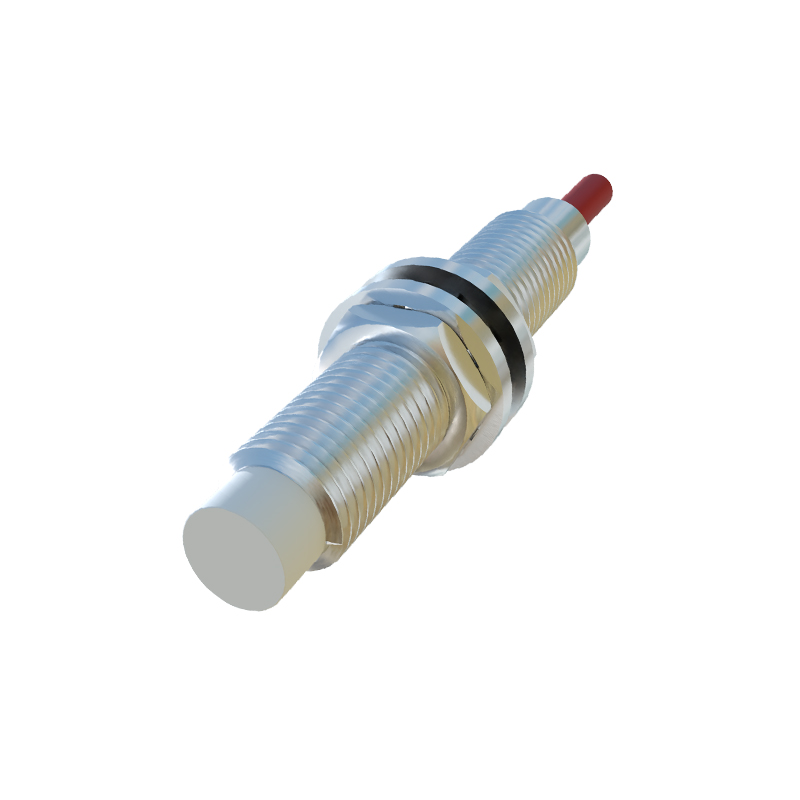
Additional suffixes often cover voltage ratings, connection methods, and special features. A code ending in "DC12-24V" specifies a 12-24V DC operating range, while "H" might denote high-temperature resistance. For instance, "PR12-4DN" could include "DN" for a DIN connector type. Understanding these details ensures compatibility with control systems like PLCs, preventing malfunctions in machinery.
In practice, misreading a single letter can lead to installation errors. Consider a scenario where an engineer orders an inductive sensor with NPN output but receives a PNP version due to overlooking the "P" code. This might cause wiring issues or failure in a sinking input module, halting production lines. Hence, cross-referencing model numbers with manufacturer guides is crucial.
Moreover, industry standards like IEC 60947-5-2 provide guidelines, but manufacturers often add proprietary codes. For example, Pepperl+Fuchs uses "NBB" for non-flush inductive sensors, while Sick AG employs "IM" for certain models. Engineers should familiarize themselves with these patterns through training or resources like online decoders.
In summary, proximity sensor model letters and numbers serve as a compact language conveying technical specs. By mastering this code, engineers enhance efficiency in selection, installation, and maintenance, ultimately optimizing automation systems. Always verify codes against official documentation to avoid costly errors in industrial applications.